

Pakistan steel industry calls for stricter rules to stop fake tax invoices
Industry warns fake invoicing is causing revenue losses and hurting the formal sector

Business Desk
The Business Desk tracks economic trends, market movements, and business developments, offering analysis of both local and global financial news.
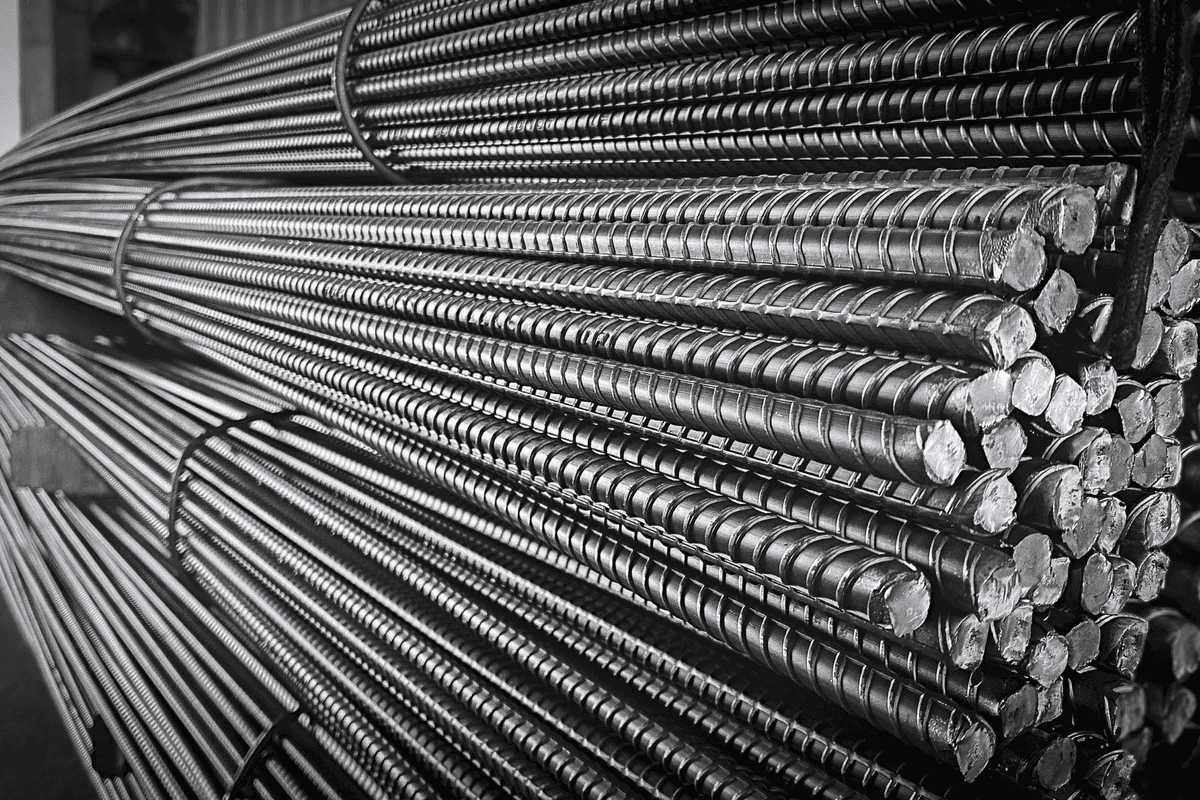
Pakistan’s formal steel industry has urged the government to amend tax and export facilitation rules in the upcoming federal budget to curb the misuse of input tax through fake invoices, warning that the practice is causing significant revenue losses and undermining compliant manufacturers.
In separate representations submitted to Finance Minister Muhammad Aurangzeb and senior officials of the Federal Board of Revenue (FBR), industry stakeholders called for the removal of certain tax exemptions and stricter controls under the Export Facilitation Scheme (EFS) 2021 to combat what they described as the growing problem of “flying invoices.”
The Pakistan Association of Large Steel Producers (PALSP) said the original exemption on local supplies of iron and steel scrap was introduced to discourage fake invoicing and improve documentation within the sector. However, amendments introduced through the Finance Act 2025 created exceptions that, according to the industry, have weakened the policy’s effectiveness.
The association argued that allowing specific categories of suppliers to issue taxable invoices has inadvertently enabled inadmissible input tax claims through fraudulent documentation, benefiting undocumented operators while placing tax-compliant manufacturers at a competitive disadvantage.
PALSP specifically requested that the government withdraw provisions allowing supplies by manufacturer-cum-exporters of recycled copper operating under EFS 2021, as well as direct supplies by scrap importers to registered steel melters under prescribed conditions.
“The exceptions have materially altered the intended policy outcome and facilitated the generation of fake and flying invoices,” the industry body said, urging authorities to revise the relevant provisions in Serial No. 57 of Table 2 of the Sixth Schedule of the Sales Tax Act, 1990.
The association said removing the exemptions would help protect government revenues, ensure fair competition and support the sustainable growth of the documented steel industry.
In a separate letter to FBR Member Strategic Transformation Dr. Hamid Ateeq Sarwar, PALSP Secretary-General Syed Wajid Bukhari raised similar concerns about the misuse of invoices involving imports of copper compressor and motor scrap under the Export Facilitation Scheme.
Referring to reports that the government is considering major amendments to EFS 2021 in the FY2026-27 budget to prevent the misuse of imported steel scrap invoices, Bukhari urged authorities to extend similar reforms to the copper scrap sector.
He said invoice misuse was not limited to steel and was also prevalent in industrial and export-oriented imports of copper compressor and motor scrap, creating opportunities for fraudulent tax claims and revenue leakages.
The recommendations come as the government finalizes budget proposals for FY27 under an IMF-backed fiscal reform program that places greater emphasis on revenue mobilization, economic documentation and stricter enforcement against tax evasion.
Industry representatives have urged the government to incorporate the proposed amendments into the upcoming budget, arguing that stronger controls over invoicing practices would not only protect the national exchequer but also improve transparency and competitiveness in Pakistan’s manufacturing sector.


Comments
See what people are discussing