

ICMA calls for targeted measures as SBP rate cut provides limited relief amid rising prices
ICMA says Pakistan’s inflation is largely supply-driven, needing targeted measures beyond monetary policy

Business Desk
The Business Desk tracks economic trends, market movements, and business developments, offering analysis of both local and global financial news.
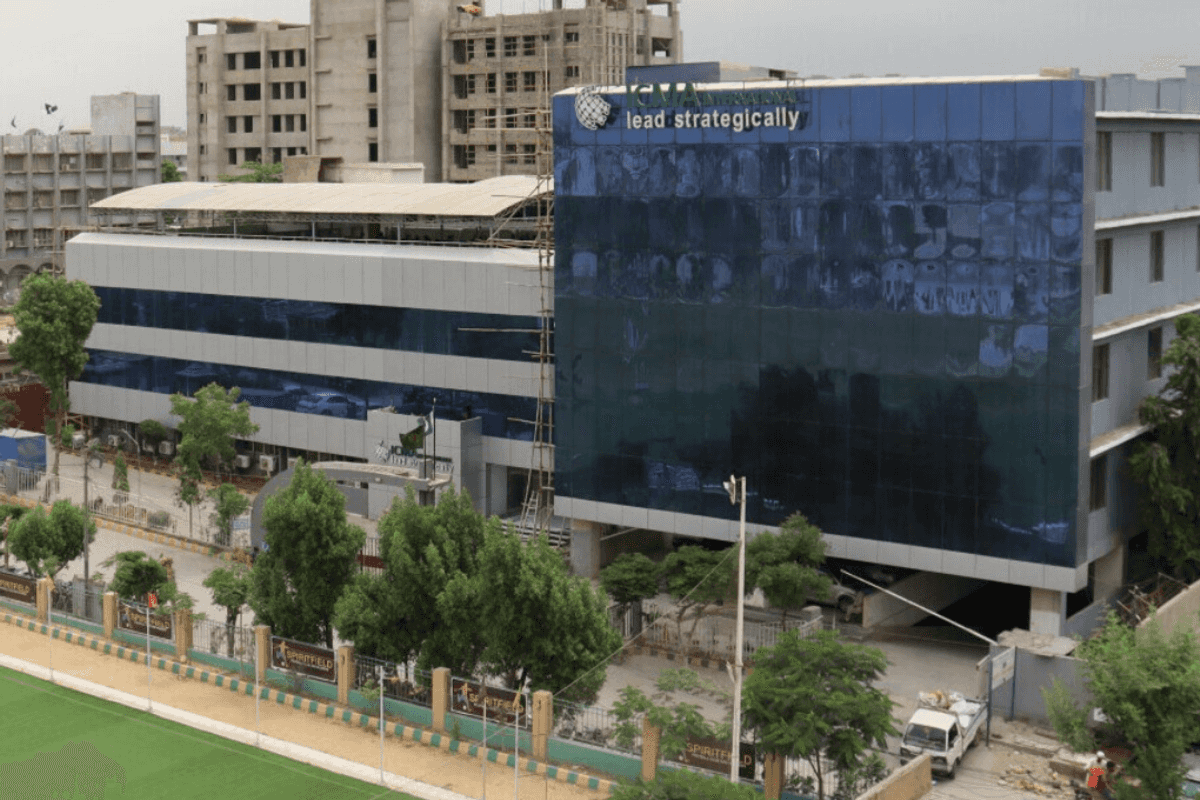
The Institute of Cost and Management Accountants of Pakistan (ICMA) has assessed the State Bank of Pakistan’s recent decision to cut the policy rate by 50 basis points to 10.5 percent. While the move was widely anticipated, ICMA notes that the reduction offers limited relief and remains below the level needed to meaningfully stimulate economic activity.
ICMA emphasizes that inflation in Pakistan is increasingly driven by supply-side and cost-push factors rather than broad-based demand. Sector-specific pressures, the institute argues, require carefully targeted fiscal, structural, and administrative interventions that go beyond monetary policy.
Analysis of November 2025 Consumer Price Index (CPI) data by ICMA’s Research and Publications Department shows that essential sectors, including education, health, housing, transport, food, and miscellaneous items, are experiencing the sharpest price increases. In urban areas, education costs rose 8.2% year-on-year, health by 7.0%, housing and utilities by 6.4%, and transport by 6.2%, while miscellaneous items surged 17.6%. Rural areas saw even higher increases, with education climbing 11.2%, health 9.7%, and restaurants, hotels, and clothing each rising around 7.5%.
These trends are largely driven by higher operating expenses in private schools and hospitals, energy and fuel price adjustments, transport fare hikes, climate-related food supply disruptions, and structural or administrative rigidities. ICMA stresses that these factors highlight the limits of monetary policy alone; interest rate adjustments cannot directly address sector-specific inflationary pressures.
Call for coordinated fiscal and structural measures
To address these challenges, ICMA recommends establishing an Economic Rapid Response Unit to manage economic shocks, including floods, droughts, or supply chain disruptions. This unit would coordinate with industry and business associations to resolve bottlenecks in production, transport, and imports, ensuring smoother supply chains and improved price stability.
Strengthening agriculture and food supply management is another priority. ICMA suggests improving crop productivity, investing in cold storage, enhancing logistics for perishable goods, and establishing buffer stocks alongside market monitoring mechanisms to prevent seasonal price surges and mitigate climate-related disruptions.
Energy, transport and market reforms
In the energy sector, ICMA calls for gradual and predictable adjustments in electricity, gas, and fuel tariffs to avoid sudden cost shocks. Targeted support for farmers and small and medium enterprises is also advised to mitigate unavoidable price increases and maintain continuity of operations.
Timely completion of transport and logistics projects - including freight corridors and public transport initiatives - is critical to lowering input costs and alleviating transport-related inflation. Stabilizing fuel prices alongside these projects will prevent abrupt cost pass-through to businesses and households.
Enhancing market competition and regulatory oversight remains essential. ICMA emphasizes addressing monopolistic practices in sectors such as food, healthcare, and education, while ensuring transparent pricing mechanisms and robust regulatory frameworks to prevent price manipulation and protect consumers.
ICMA concludes that while monetary policy provides an important anchor for expectations and macroeconomic stability, it cannot resolve the underlying supply-side constraints driving inflation.
Targeted fiscal, structural, and administrative measures across education, health, housing, transport, and food sectors, combined with ongoing monitoring of sectoral price trends, are critical to achieving sustainable disinflation, stabilizing essential costs, and supporting broad-based economic growth in Pakistan.




Comments
See what people are discussing