

Pakistan parliament's value 'reduced', PILDAT cites poor attendance, lack of diversity
Powerful Interior Minister spoke just 12 mins in Parliament all year, missed 90% of sessions

News Desk
The News Desk provides timely and factual coverage of national and international events, with an emphasis on accuracy and clarity.
PMO
Cabinet includes only one woman minister out of 20 positions, zero minorities
Law Minister Tarar leads engagement with 17 hours of speaking time
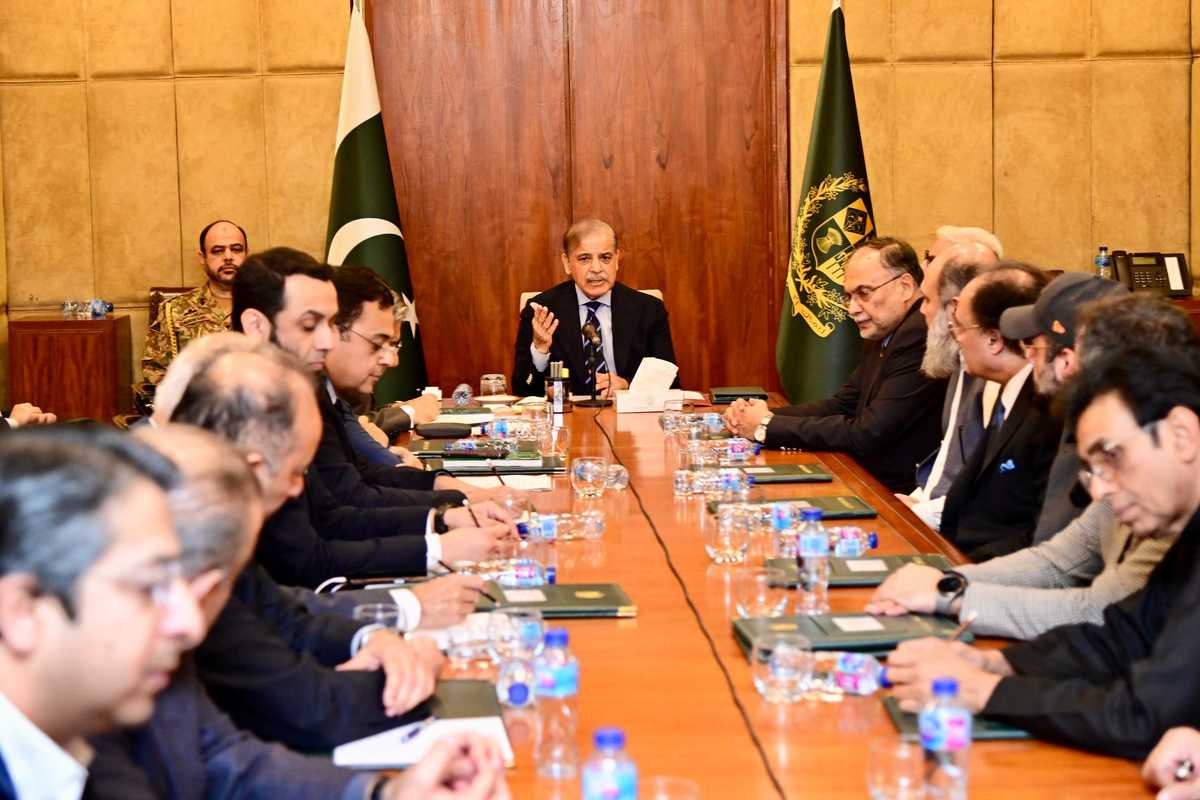
A leading Pakistani think tank warned on Monday that the country's parliament is losing its democratic significance, with key ministers responsible for interior affairs and economic policy barely participating in legislative sessions during their first year in office.
The Pakistan Institute of Legislative Development and Transparency (PILDAT) found that Interior and Narcotics Control Minister Mohsin Raza Naqvi (also the chairman of the PCB), one of the most powerful figures in the government, attended only 10 out of 157 parliamentary sessions and spoke for just 12 minutes throughout the year. Economic Affairs Minister Ahad Cheema showed even less engagement, attending nine sessions and speaking for only one minute.
"Senator Naqvi's parliamentary record is a testament to the reduced value of the parliament," PILDAT said in its first annual evaluation of ministerial performance. "Arguably one of the most powerful ministers, he has been able to execute the government's law-and-order agenda without any visibility or accountability in the parliament."
The report also highlighted concerning gaps in representation within the 20-member federal cabinet that took office in February 2024. Only one woman serves as a minister — Shaza Fatima Khawaja in the technology ministry — representing just 5% of the cabinet. Religious minorities have no representation at all, despite Pakistan's significant non-Muslim population.
Law Minister leads speaking, attendance charts
Law Minister Azam Nazeer Tarar emerged as the cabinet's most active member, attending 89 sessions (57%) and speaking for more than 17 hours. Under his leadership, the government passed 42 bills in its first year, which PILDAT noted was potentially a record for any National Assembly's inaugural year.
Defense Minister Khawaja Muhammad Asif ranked second in both attendance and speaking time, present at 69 sessions (44%) and addressing parliament for over five and a half hours.
The think tank acknowledged some ministers' limited attendance might be justified by their portfolios' demands. Foreign Minister Mohammad Ishaq Dar, who attended only 32 sessions and ranks among the bottom five in attendance, requires extensive international travel. Similarly, Finance Minister Muhammad Aurangzeb's lower attendance (35 sessions) was offset by his successful management of economic stabilization through International Monetary Fund negotiations.
However, PILDAT expressed particular concern about the Interior Minister's minimal participation, suggesting it reflects a broader trend of diminishing parliamentary oversight of crucial government functions. The report noted that despite clear constitutional requirements for cabinet accountability to parliament, some of the most important ministers appear to operate with limited legislative scrutiny.


Comments
See what people are discussing