

Pakistan regulator sets Feb 6 hearing on solar net-metering changes
Nepra to review draft rules cutting incentives for prosumers

Haris Zamir
Business Editor
Experience of almost 33 years where started the journey of financial journalism from Business Recorder in 1992. From 2006 onwards attached with Television Media worked at Sun Tv, Dawn Tv, Geo Tv and Dunya Tv. During the period also worked as a stringer for Bloomberg for seven years and Dow Jones for five years. Also wrote articles for several highly acclaimed periodicals like the Newsline, Pakistan Gulf Economist and Money Matters (The News publications)
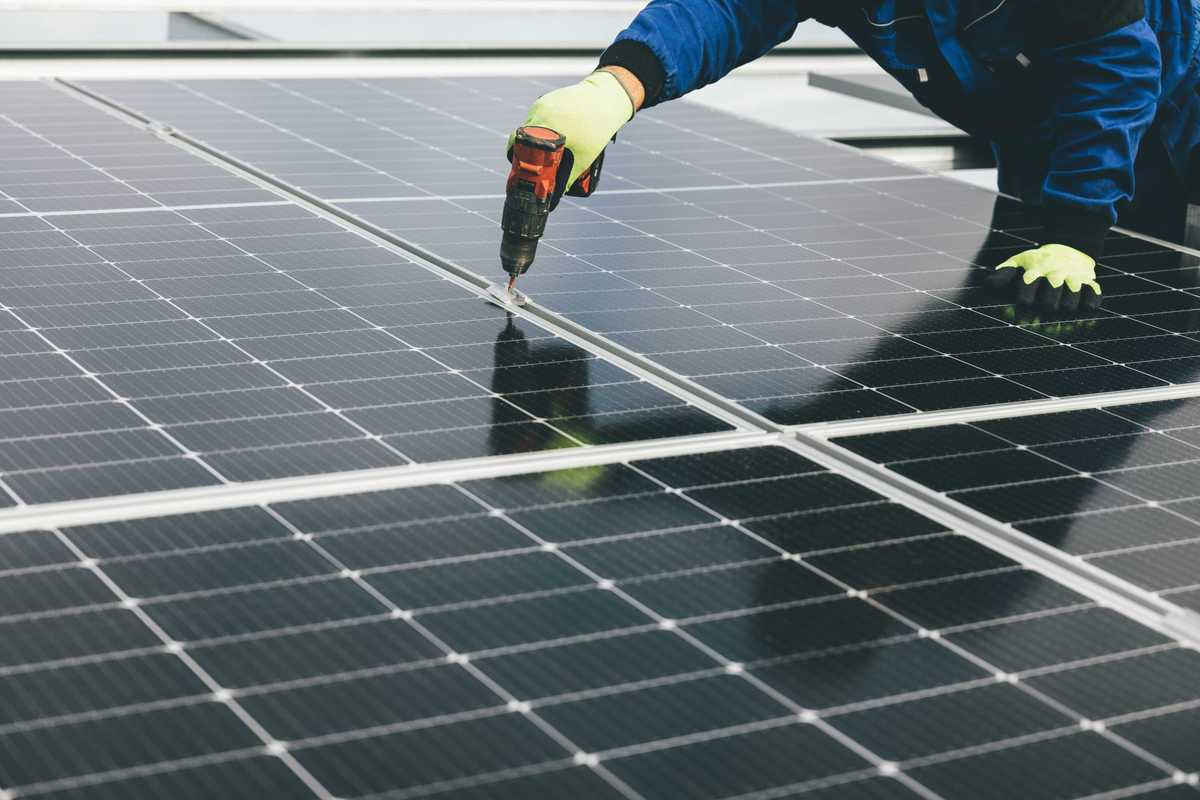
Pakistan’s power regulator has scheduled a public hearing on Feb. 6 to review proposed changes to the country’s solar net-metering framework, as authorities move to curb incentives for prosumers amid mounting pressure on the electricity sector.
The National Electric Power Regulatory Authority (Nepra) said it decided to hold the hearing after receiving feedback from government ministries, power utilities, industry bodies and the general public. In a public notice, the regulator invited all stakeholders to attend and present their views.
The hearing will examine Nepra’s draft Prosumer Regulations 2025, which propose sweeping revisions to existing net-metering rules. The changes include limiting new solar installations to a consumer’s sanctioned load, replacing the current allowance of up to 150% of sanctioned capacity.
What do the draft rules say?
Under the proposal, a consumer with a sanctioned load of 10 kilowatts would only be permitted to install a 10kW solar system, compared with the current limit of 15 kW. Existing net-metering consumers will continue under their current seven-year contracts until expiry, after which the new rules would apply.
Nepra has also proposed cutting the contract period for new net-metering connections from seven years to five years, with renewals subject to mutual consent between distribution companies and consumers and without any binding obligation.
Another major shift involves payments for surplus electricity exported to the grid. Prosumers would be paid the national average energy purchase price — estimated at about PKR 13 per unit — instead of the current rate of roughly PKR 26 per kilowatt-hour.
The regulator plans to replace net metering with net billing, charging imported electricity at the applicable consumer tariff and crediting exported power at the revised rate. Excess credits could be carried forward or settled quarterly.
The draft rules would also bring solar systems ranging from one kilowatt to one megawatt under Nepra’s direct regulatory and licensing authority. Currently, systems below 25kW are licensed by distribution companies.
Nepra said the proposed revisions are aimed at updating the regulatory framework as on-grid solar capacity continues to expand across the country. On-grid solar installations have crossed 6,000 megawatts, while total solar capacity, including off-grid systems, has exceeded 13,000 MW, according to the regulator.
Why are the rules being changed?
The move comes amid growing concern within the government that rising solar adoption is worsening financial and operational challenges for power utilities. Daytime electricity demand has lagged behind nighttime consumption, creating grid stability issues as generation must be rapidly ramped up after sunset and scaled back during the day.
The regulator acknowledged that the quality of service provided by distribution companies remains sub-optimal, noting that heavy taxes, levies and surcharges have inflated electricity costs and pushed consumers toward decentralized and off-grid solutions.
The draft Prosumer Regulations 2025 would repeal the Alternative and Renewable Energy Distributed Generation and Net Metering Regulations of 2015.
Nepra said the revisions seek to strike a balance between protecting consumers from unaffordable tariffs and preventing net metering from becoming a commercial profit-making activity.
Energy analysts say the proposed changes signal a clear policy pivot from promoting rapid rooftop solar expansion to protecting struggling power utilities.
“By sharply reducing export rates and capping system sizes, Nepra is effectively turning net metering into a self-consumption model rather than an income-generating one,” said an Islamabad-based energy sector analyst. “While this may ease pressure on distribution companies, it risks slowing future rooftop solar adoption at a time when consumers are already losing trust in grid reliability.”
The analyst added that unless parallel reforms improve utility efficiency and reduce surcharges, the measures may push more consumers toward off-grid solutions, further weakening demand for grid-supplied electricity.




Comments
See what people are discussing