

Asia-Pacific commodity firms face mixed credit impact from Iran conflict: Fitch Ratings
Upstream energy producers may gain from higher prices while refiners, chemicals and metals face rising costs

Business Desk
The Business Desk tracks economic trends, market movements, and business developments, offering analysis of both local and global financial news.
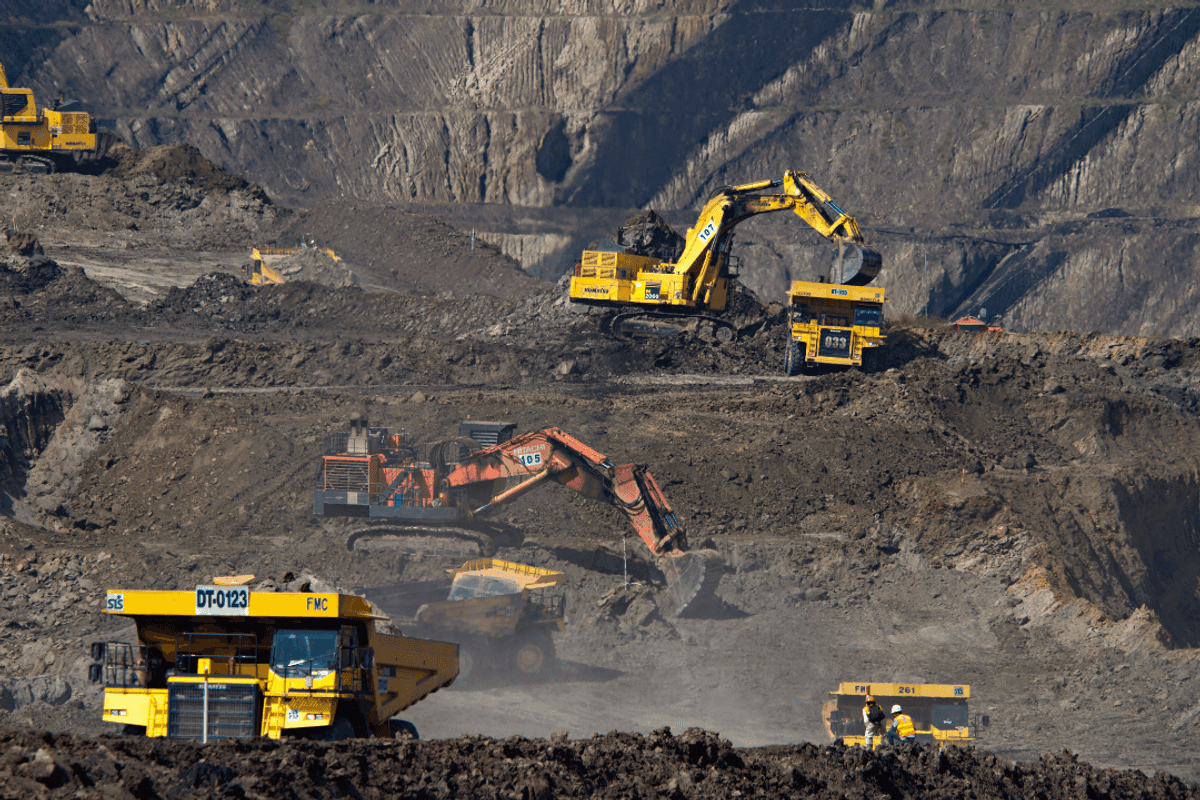
Photo by @dominik_photography via Unsplash
Asia-Pacific commodity issuers could face diverging credit effects if the Iran conflict prolongs disruption to Gulf energy supply and shipping, Fitch Ratings said, with upstream producers benefiting from higher prices while downstream industries face rising costs.
Fitch said higher input prices pose the main risk for chemicals, fertilizers and some metals producers, while shipping disruptions could strain working capital by delaying cargoes and leaving goods stuck at sea.
“Our primary tail risk is an extended Strait of Hormuz shutdown, though we expect disruptions to be brief,” the agency said.
Upstream producers gain as prices rise
Fitch said upstream oil and gas producers would likely benefit first as buyers seek alternative cargoes if Gulf supply is disrupted.
Producers in Australia and Indonesia could see stronger demand as buyers look for immediate alternatives, boosting prices and cash flow for companies such as Santos (BBB/Stable), Oil and Natural Gas Corporation (BBB-/Stable) and PT Pertamina Hulu Energi (BBB/Stable).
Downstream refiners, however, could face margin pressure if crude prices rise faster than companies can pass higher costs on to customers. Fitch said this risk is particularly high where fuel prices are regulated or where supply disruptions force production cuts once inventories run low.
Indian refiners such as Indian Oil Corporation (BBB-/Stable), Bharat Petroleum Corporation (BBB-/Stable) and Hindustan Petroleum Corporation (BBB-/Stable) could face margin and working-capital pressure in such a scenario.
PT Pertamina (Persero) (BBB/Stable) could also face rising government compensation receivables for selling certain gasoline and diesel grades below market prices, which could weigh on cash flow. Refiners with stronger access to domestic crude supply, such as Vietnam’s Binh Son (BB+/Stable), are less exposed to such risks, Fitch said.
Coal, LNG and metals impacts
Fitch said higher gas prices could boost demand for thermal coal in east Asia if utilities switch fuels, particularly in Japan, South Korea and Taiwan.
Liquefied natural gas prices could also rise sharply if Qatar’s Ras Laffan facility were closed, as the site accounts for roughly 20% of global LNG supply. In that scenario, Australian exporters could benefit in the near term due to their role supplying high-energy thermal coal to east Asia, with Indonesian exporters also likely to see stronger demand.
Newcastle coal futures had already risen about 9% to $129 per ton on March 3, according to Fitch.
The metals sector could also see mixed effects. Supply disruptions in the Gulf could tighten aluminum markets, though higher power and logistics costs may offset some gains for producers. The Middle East accounts for roughly 8% to 9% of global aluminium production.
Fitch said Chinese producers, including Aluminum Corporation of China (BBB+/Stable) and China Hongqiao Group (BB+/Stable), are relatively well positioned to benefit from tighter supply and stronger prices due to more stable power availability and tariffs. By contrast, higher power prices in Japan and South Korea could pressure margins.
Copper markets could see competing pressures. Supply-chain disruptions may support prices in the near term, but higher shipping costs from South America and Africa and rising energy prices could narrow margins. Elevated power prices could also weaken global economic growth, reducing copper demand and eventually pushing prices lower.
Gold miners, meanwhile, could benefit from stronger demand as geopolitical risks increase, Fitch said.
Fertilizers, steel and chemicals face pressure
Fitch said the outlook for steel producers is largely negative, as rising energy prices and logistical bottlenecks for iron ore imports could increase costs. Exports to the Middle East could also weaken, with the region accounting for about 15% of Chinese steel exports in 2025.
The Gulf region is also a key player in global fertilizer trade. Fitch said an extended conflict could have mixed effects for fertilizer manufacturers, as stronger selling prices could be offset by sharply higher natural gas input costs.
Chemical producers face particularly high risks from prolonged disruptions, the agency said, because higher oil and gas prices would raise naphtha feedstock costs and compress margins.
“This poses particular risk for issuers with weaker rating headroom,” Fitch said, citing PTT Global Chemical Public Company (BBB-/Stable) as an example.


Comments
See what people are discussing