

The growing influence of Bollywood on Pakistani dramas
From familiar family conflicts to recycled emotions, why many TV stories feel predictable

Sibte Hassan
Correspondent, Karachi Pakistan
Syed Sibte Hassan Rizvi is a seasoned multimedia journalist with over 12 years of experience. He has worked as a news correspondent, covering various beats for Pakistan's leading news channels.
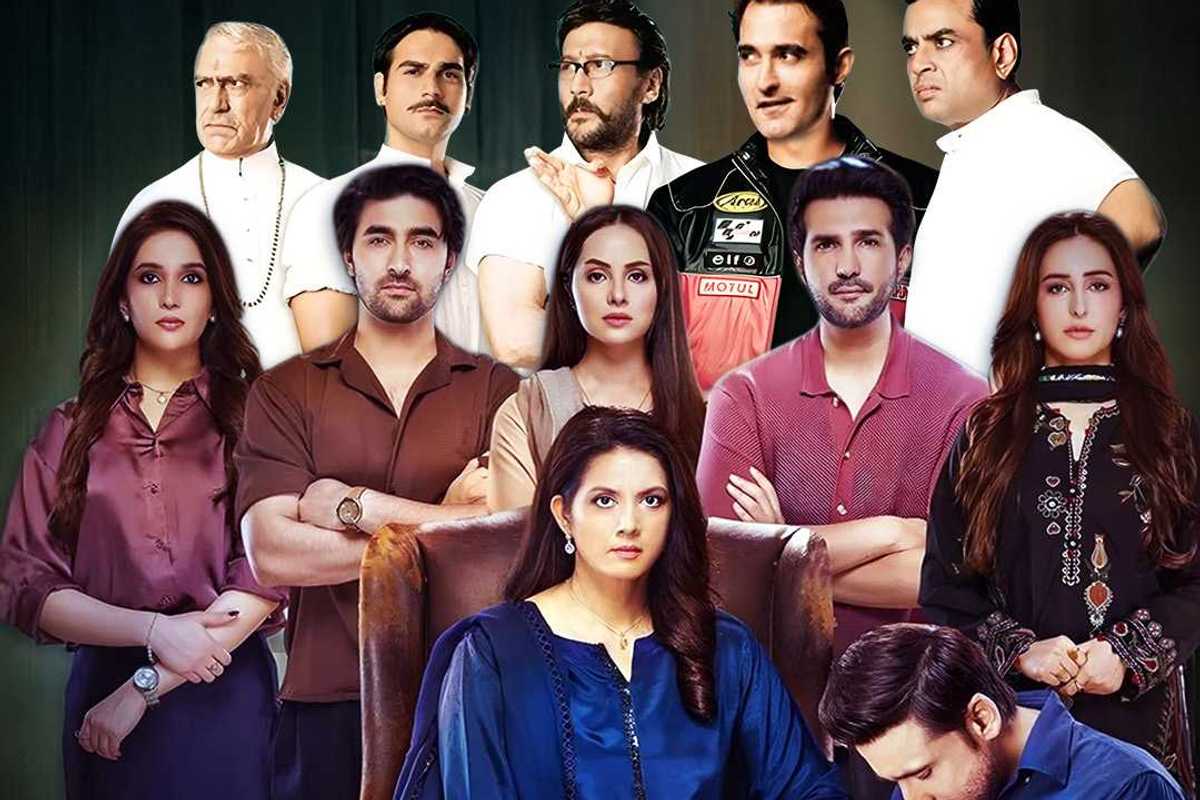
Bollywood Influence on Pakistani Dramas
Nukta
Dramas like Sara Aapi echo Bollywood films such as Hulchul in structure and conflict
Meri Bahuein reflected emotional themes similar to Baghban
Familiar storytelling may attract viewers but risks limiting originality
Switch on Pakistani television today and a familiar pattern begins to emerge. The characters wear local clothes, speak our language, and reflect our social structures, yet the stories themselves often feel strangely familiar. This sense of déjà vu is not accidental. Over time, Bollywood’s storytelling style has quietly influenced the narrative direction of many Pakistani TV dramas.
A recent example is Geo Entertainment’s upcoming drama Sara Aapi. At first glance, it presents itself as a strong, female-led family drama. However, its core conflict mirrors the Bollywood film Hulchul, where a dominating elder controls the personal lives of her sons, particularly their marriages. In Hulchul, Amrish Puri played the authoritarian father. In Sara Aapi, that power shifts to Savera Nadeem’s commanding matriarch. The faces change, the gender flips, but the emotional spine of the story remains familiar.
This is not an isolated case. Pakistani television has previously adapted similar emotional frameworks. The long-running drama Meri Bahuein drew clear parallels with the Bollywood film Baghban. Both stories revolve around aging parents, ungrateful children, and the emotional cost of lifelong sacrifices. While Baghban delivered its message within a limited cinematic runtime, Meri Bahuein stretched similar themes across multiple episodes, often repeating emotional beats to sustain viewership.
Interestingly, this trend continues at a time when Pakistani dramas are receiving widespread praise from Indian audiences and content creators. They often highlight our strong performances, emotional realism, and socially rooted storytelling. Yet, behind this appreciation lies a contradiction. While Pakistani dramas are celebrated for originality, many rely on familiar Bollywood-inspired structures that make outcomes easy to predict.
Why These Stories Keep Returning
One major reason is commercial security. Proven emotional formulas are easier to market. Family control, generational conflict, sacrifice, and redemption are themes Bollywood has refined for decades, making them a safe reference point for television storytelling.
Nostalgia also plays a role. Viewers who grew up watching Hindi films subconsciously connect with similar emotional rhythms. Familiarity often feels comforting, even when it limits narrative innovation.
Finally, long episode formats amplify predictability. A two-hour film becomes a multi-episode drama, stretching conflicts thin and exposing similarities more clearly.
The issue is not inspiration. Cultural exchange has always existed. The concern is over-reliance. Pakistani society offers countless original stories waiting to be told. True creative growth will come when local dramas trust their own realities more than borrowed emotional blueprints.



Comments
See what people are discussing