

China approves record share of panda bond proceeds for offshore use
Overseas borrowers have raised 115.5 billion yuan this year as low Chinese interest rates and easier cross-border rules expand yuan financing

Business Desk
The Business Desk tracks economic trends, market movements, and business developments, offering analysis of both local and global financial news.
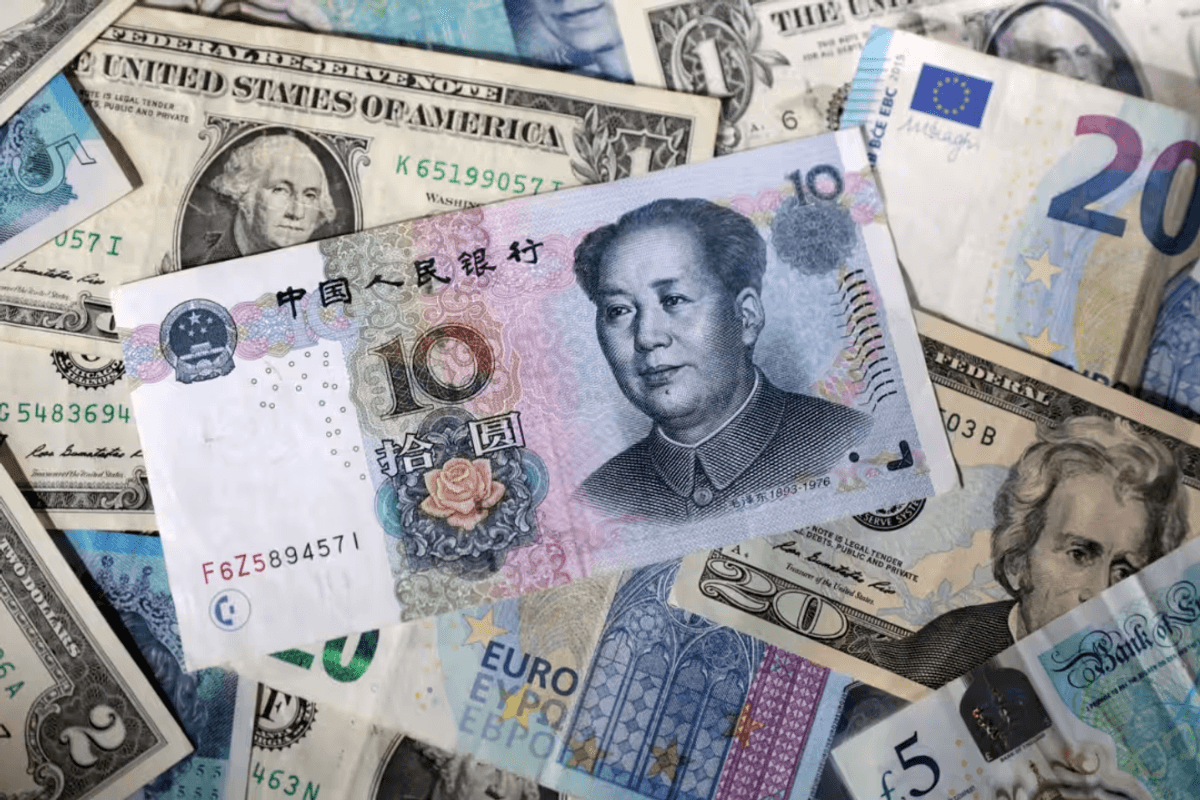
Overseas borrowers raised 115.5 billion yuan through October 8, twice the amount raised during all of last year
China has approved more than 40% of proceeds from panda bonds issued this year for offshore use, the highest share on record, as Beijing seeks to expand the international role of the yuan, Bloomberg reported.
Overseas borrowers raised 115.5 billion yuan through October 8, twice the amount raised during all of last year, according to data compiled by Bloomberg.
They accounted for 47% of the panda bond market measure cited by Bloomberg, up from 13% three years ago.
Regulatory approvals have allowed as much as 130 billion yuan, or about USD 19 billion, in panda bond proceeds to be transferred offshore.
Panda bonds are yuan-denominated bonds issued in mainland China by overseas governments, companies and financial institutions.
The shift is creating a relatively inexpensive source of financing for overseas borrowers as subdued inflation and weak economic activity keep Chinese interest rates below those in major global markets. Beijing is also easing restrictions on cross-border capital flows as it promotes wider use of the renminbi in international trade and finance.
“Panda issuers are simply finding borrowing costs in the onshore renminbi market increasingly competitive versus those elsewhere,” Dariusz Kowalczyk, head of cross-asset strategy for Asia at Banco Bilbao Vizcaya Argentaria SA, told Bloomberg.
Why are foreign borrowers turning to China’s panda bond market?
China’s low interest rates are making yuan funding increasingly competitive for overseas borrowers, while regulatory changes allow panda bond proceeds to be converted into foreign currencies and used abroad. China’s 10-year government bond yield is well below comparable U.S. and Japanese yields, although currency hedging can reduce the savings.
China’s 10-year government bond yield stood at 1.68% on Thursday, compared with 5.23% for U.S. Treasury securities and 3.09% for Japanese government bonds of the same maturity, Bloomberg reported.
The market, once dominated by offshore subsidiaries of Chinese companies and foreign automakers financing their Chinese operations, is attracting a broader range of international borrowers.
Participants now include countries linked to China’s Belt and Road Initiative, such as Hungary, Slovenia, Kazakhstan, Pakistan and Indonesia, alongside international lenders including Deutsche Bank AG, Morgan Stanley and Crédit Agricole SA.
Australia’s Fortescue Ltd. is considering a debut issuance of 3 billion yuan, while Brazilian iron ore producer Vale SA is weighing a similar move, Bloomberg reported.
UBS Group AG raised 2 billion yuan in August at a coupon of 1.78%, the lowest on record for a five-year panda bond issued by a foreign financial institution, according to Bloomberg.
Offshore yuan bond market also expands
The growth is extending beyond mainland China’s domestic bond market.
Sales of dim sum bonds, which are denominated in yuan but issued outside mainland China, have reached 1 trillion yuan, surpassing the previous full-year record.
Non-Chinese issuers’ share of that market has increased to 35% from 23%, Bloomberg data showed.
Chinese banks are also extending yuan-denominated credit across borders, increasing competition with global lenders.
State-owned financial institutions in Kazakhstan and Uzbekistan are in talks to raise new yuan loans, people familiar with the discussions told Bloomberg.
Beijing seeks wider international use of yuan
China’s regulatory changes are part of a broader effort to internationalize the renminbi and reduce dependence on the dollar-based financial system.
Rules announced in late 2022 allowed panda bond issuers to convert proceeds into foreign currencies for use either inside China or abroad, Bloomberg reported.
The market also offers a channel for recycling China’s current account surpluses by directing domestic savings toward foreign borrowers.
“Panda bonds are meant to recycle China’s current account surpluses,” Bloomberg Intelligence strategist Timothy Tan told Bloomberg.
Tan said the market remained relatively small but could expand as China encourages more international trade to be settled in yuan, potentially increasing demand for yuan reserves and creating additional investment opportunities for holders of the currency.
The yuan settled about 29% of China’s goods trade in the first half of the year, up about one percentage point from a year earlier.
Yuan gains ease concerns over offshore flows
The yuan has gained more than 6% against the dollar over the past year, easing concerns about capital flight that previously made Chinese regulators more cautious about allowing funds to leave the country.
The cost of hedging currency risk, however, can erode much of the saving from borrowing in yuan.
Converting yuan proceeds into foreign currencies and protecting against exchange-rate fluctuations can cost about 3%, according to Bloomberg.
Borrowers with yuan-denominated trade obligations can avoid those costs by using the funds directly.
“If you are genuinely raising yuan to settle yuan-denominated trade, you could save the hedging cost,” Samuel Tse, senior economist at DBS Group Holdings Ltd., told Bloomberg.
Japan’s experience in the 1980s provides a comparison. Financial-market liberalization and prolonged low interest rates eventually helped turn the yen into an important source of international funding.
China is pursuing a more controlled approach, promoting greater international use of the yuan while retaining capital controls and managing the exchange rate.
The expansion of yuan financing could gradually broaden the funding options available to governments and companies seeking alternatives to dollar-based financing, particularly those with substantial trade links to China.
“This could gradually strengthen China’s role from a major trading nation that mainly operates within a dollar-centered system into a provider of global funding, settlement and investment alternatives,” Wei Li, head of multi-asset investments at BNP Paribas Securities (China), told Bloomberg.





Comments
See what people are discussing