


Business Desk
The Business Desk tracks economic trends, market movements, and business developments, offering analysis of both local and global financial news.
Supplied
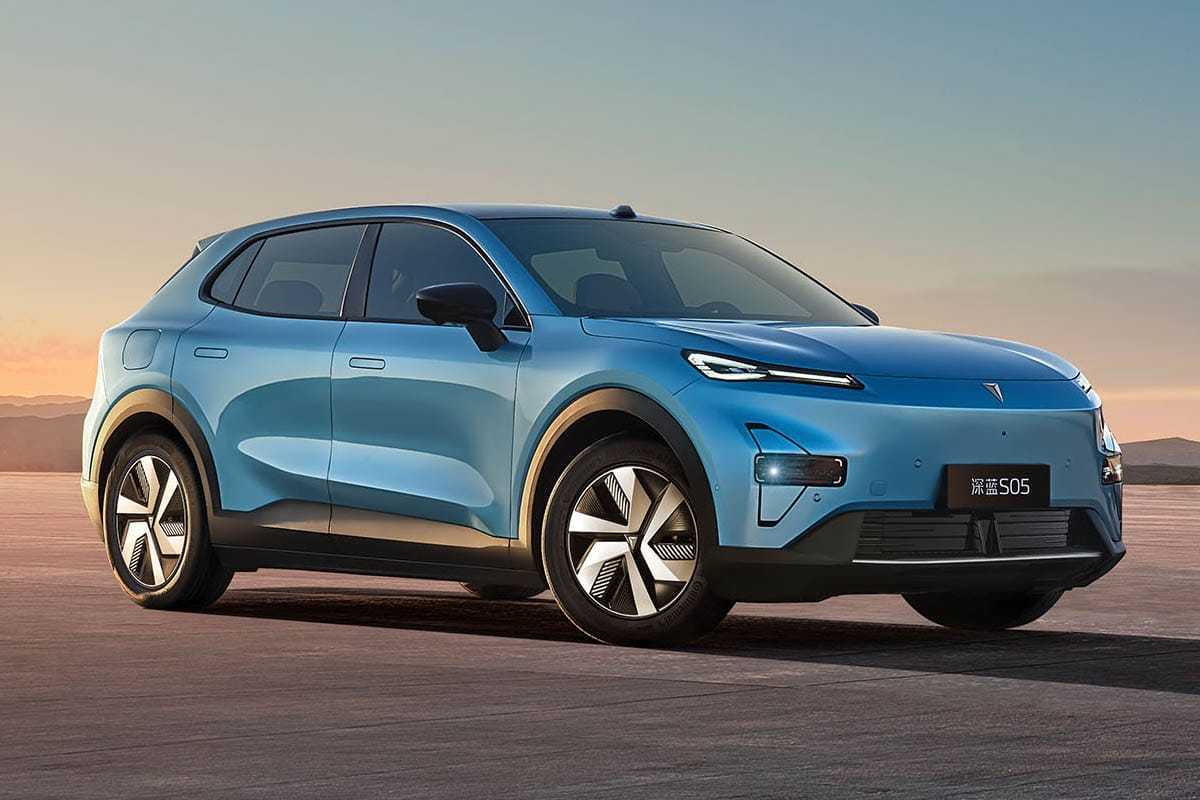
Pakistan could save more than USD 1 billion in gross fuel imports by adding 30,000 range-extended electric vehicles (REEVs) annually over five years, according to industry analysts.
The projection envisages a fleet reaching 150,000 vehicles, with cumulative petrol displacement of approximately 1.2 billion litres and around 2.7 million tonnes of avoided operational carbon emissions compared with similar petrol vehicles. Actual outcomes would depend on driving patterns, charging sources and the extent of electric operation.
Industry insiders say electrifying transport could reduce Pakistan's exposure to oil-price volatility while easing pressure on foreign exchange reserves. Doubling annual additions to 60,000 REEVs could broadly double the projected benefits under comparable assumptions.
 Supplied
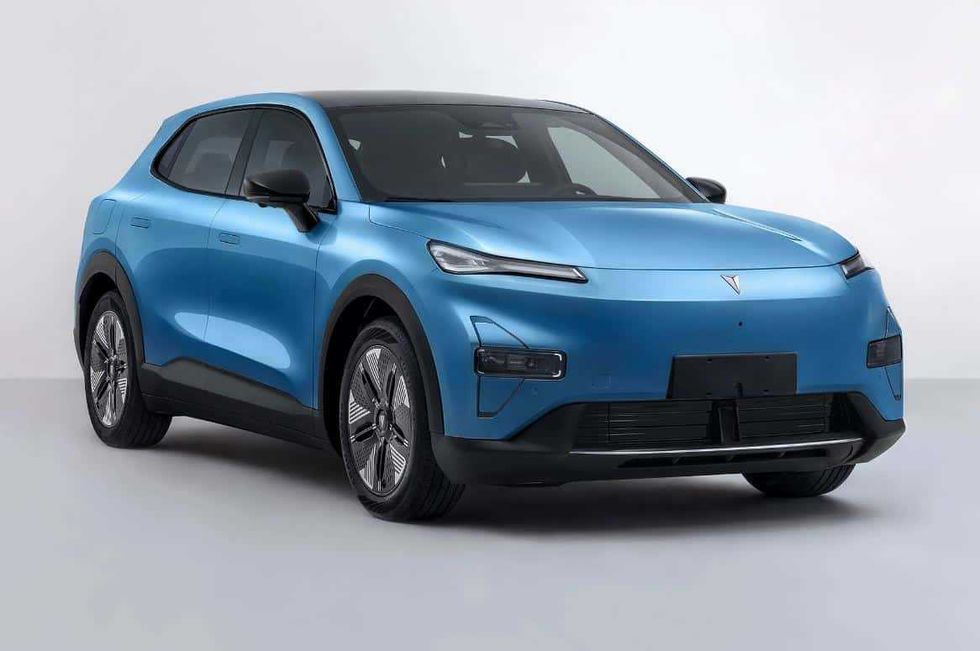
REEVs combine electric propulsion with an onboard fuel-powered generator. Their wheels are driven by an electric motor, while the generator supplies electricity when the battery requires support.
According to industry insiders, Pakistan Customs classified qualifying REEVs under the tariff category for vehicles propelled only by an electric motor, following hearings, industry consultations, technical examination and consultation with the World Customs Organization. They maintain that applicable concessions should be viewed through the wider objectives of energy security and technology adoption rather than solely through competition between vehicle manufacturers.
For consumers, REEVs offer a way to adopt electric mobility while Pakistan's public charging network develops. Modern models can cover roughly 150-180 kilometres on battery power in suitable conditions, with the generator providing additional range on longer journeys. Some owners charging largely through rooftop solar reportedly save up to PKR 65,000 monthly after shifting routine journeys from petrol to electricity.
The transition extends beyond larger vehicles. Smaller electric cars, including the recently introduced Chery Q, are widening choices around the PKR 4 million - PKR 5.5 million segment, while several electric motorcycles are available below PKR 300,000. With motorcycles serving millions of commuters, broader adoption across two- and three-wheelers could further reduce household fuel expenses and national petrol demand.
Industry analysts recommend that the upcoming auto policy provide a stable framework lasting at least ten years, supported by affordable financing and charging infrastructure. Incentives, they argue, should progressively encourage localisation, production scale and consumer protection. Manufacturers should compete through improved products, lower running costs and stronger service, industry insiders say, while policymakers prioritise Pakistan's long-term energy security.




Comments
See what people are discussing