

Crackdown on fuel smuggling boosts Pakistan’s petroleum levy revenue
Authorities seal illegal pumps, shift sales to legal channels

Business Desk
The Business Desk tracks economic trends, market movements, and business developments, offering analysis of both local and global financial news.
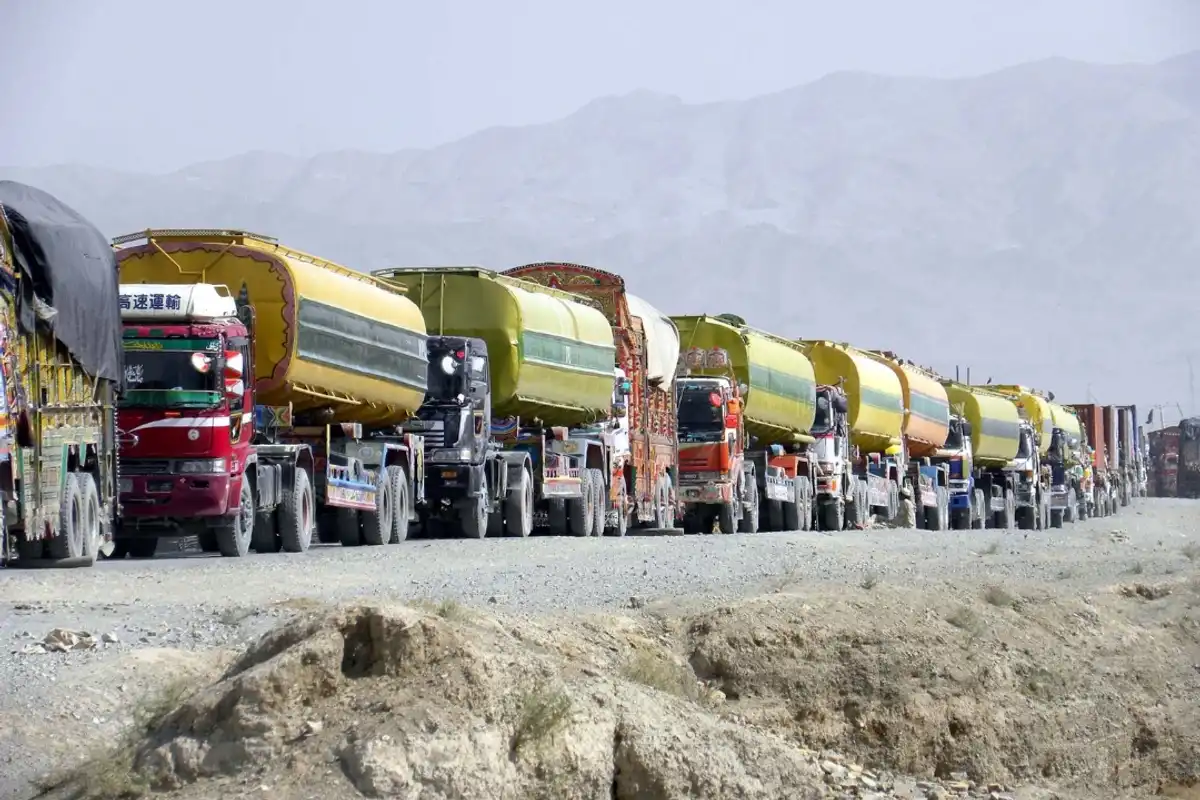
Pakistan’s campaign against the smuggling of petroleum products is beginning to show tangible results, with a decline in illegal fuel sales and a corresponding increase in legally sold petroleum products, according to officials from the Federal Board of Revenue (FBR).
Authorities say the reduction in fuel smuggling has led to an increase of PKR 284 billion in petroleum development levy (PDL) collections. From July to December, the government collected PKR 828 billion in PDL, officials said.
As part of enforcement efforts, the FBR sealed 1,442 illegal petrol pumps across the country after identifying a total of 1,576 unauthorized outlets during the July-December period. Customs officials said enforcement actions have significantly curtailed the smuggling of petroleum products, including petroleum oil and lubricants.
Officials added that the crackdown enabled an additional PKR 146 billion worth of fuel to be supplied legally in the domestic market. Meanwhile, a further PKR 138 billion was collected due to higher prices of legally sold petroleum products.
Customs enforcement authorities said surveillance of smuggled fuel transportation has been tightened.
The FBR said it is intensifying monitoring in border regions and remains committed to blocking smuggling routes nationwide.
Analysts say the data suggest a meaningful improvement in enforcement capacity, particularly along Pakistan’s borders.
“The sharp rise in petroleum levy collections indicates that smuggling had previously been a major leakage point for government revenue,” said an energy-sector analyst. “Stronger customs enforcement and the closure of illegal pumps are helping shift consumption toward documented channels.”
However, analysts cautioned that sustained results will depend on continued vigilance.
“Fuel smuggling tends to rebound if price differentials widen or enforcement weakens,” the analyst said. “Maintaining border controls and monitoring supply chains will be critical to ensuring these gains are not temporary.”

Comments
See what people are discussing