


News Desk
The News Desk provides timely and factual coverage of national and international events, with an emphasis on accuracy and clarity.
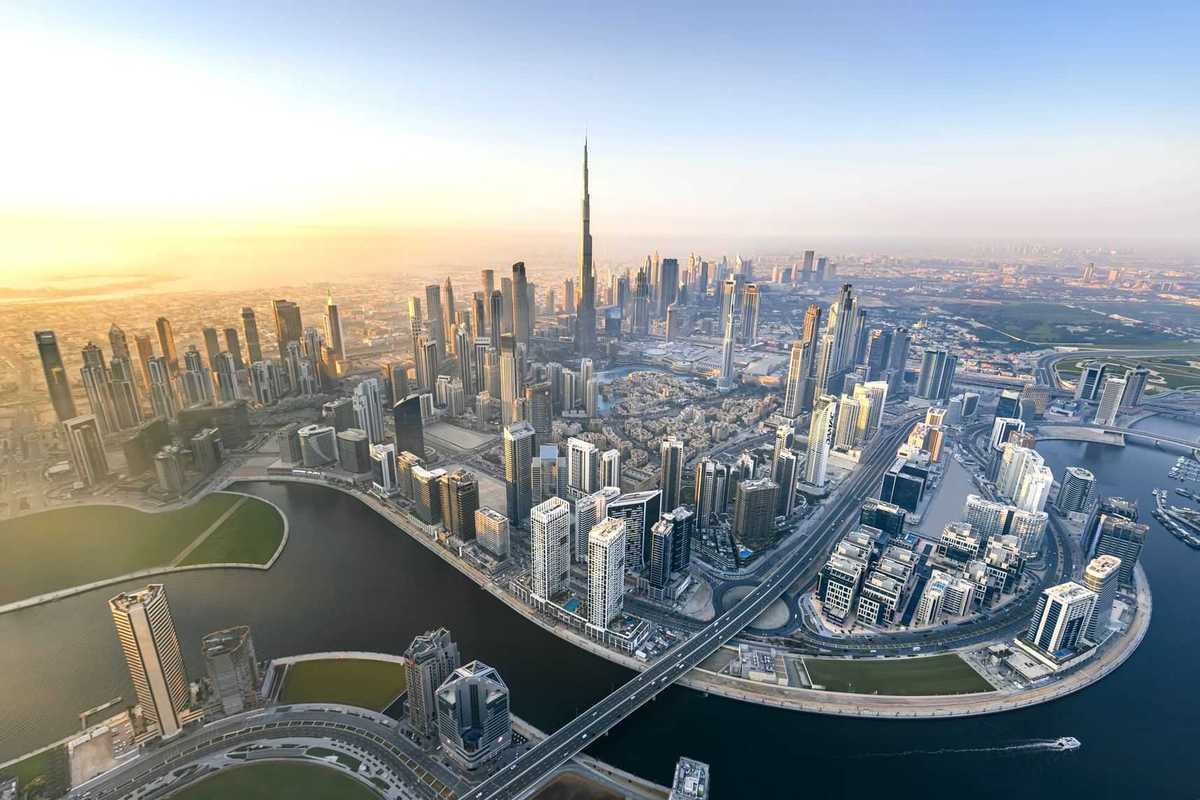
Al Barsha 1 is among the more than 44 areas identified by Dubai Municipality where buildings and villas can be allocated for shared housing.
WAM
Dubai Municipality has approved more than 44 areas for shared housing in residential buildings and villas, according to a report by Gulf News.
The civic body announced the approved areas on Wednesday under Law No. (4) of 2026, which establishes a regulatory framework for shared housing in Dubai. Property owners have one year from September 8, 2026, to bring existing shared housing units into compliance with the new requirements.
Which areas in Dubai are approved for shared housing?
The approved areas include Al Souq Al Kabeer, Al Ras, Al Warqa 1, Al Barsha 1, Al Muraqqabat and Al Rigga.
Buildings and villas in these areas can be used for shared housing after obtaining the required permits and meeting the approved standards.
Dubai Municipality said additional areas will be announced once they receive approval.
What is the new Dubai shared housing guide?
The approved list is part of the Planning and Building Requirements Guide for Shared Housing and Permitted Areas, issued under Law No. (4) of 2026 regulating the occupancy and management of shared housing in the Emirate of Dubai.
The guide outlines planning, technical, health and safety requirements for shared accommodation. It aims to improve living standards, protect the rights and privacy of owners and occupants, and ensure safer and more organised housing arrangements.
How long do owners have to comply with Dubai shared housing rules?
Property owners, management companies and leasing companies have one year to bring existing shared housing facilities in line with the approved standards.
The compliance period began on September 8, 2026, when the law came into effect.
However, the grace period does not exempt owners from addressing building violations, unauthorised changes in use or conditions that may pose risks to public safety. Dubai Municipality said such issues must be corrected in accordance with applicable regulations.
What are the space and facility rules for shared housing?
Existing buildings must be classified under one of two shared housing categories: individual accommodation or family accommodation.
Bedrooms must provide a minimum space of 5 square metres per person. In family accommodation, each family must have a separate bedroom with an attached bathroom.
The guide also sets standards for shared facilities based on the type of accommodation and number of residents. These include requirements for kitchens, sanitary facilities, dining areas, recreational spaces, laundry facilities and clothes-drying areas.
All facilities must comply with public health and safety standards and the Dubai Building Code.
The regulations apply to new buildings as well as existing buildings converted for shared housing in approved areas. Collective labour accommodation is excluded, as it is governed by separate regulations.
How do owners get a shared housing permit in Dubai?
Shared housing permits can be issued and renewed through the Build in Dubai platform.
Before approval, properties must meet Dubai Civil Defence requirements for fire alarm and firefighting systems. They must also comply with Security Industry Regulatory Agency (SIRA) requirements for CCTV systems.
The system will be electronically linked with the Dubai Land Department and other licensing authorities to support the registration of tenancy contracts for approved shared housing buildings and villas. Registration will be based on permit data issued by Dubai Municipality and other relevant authorities.
How will Dubai Municipality enforce the shared housing law?
Dubai Municipality said enforcement will begin with awareness and guidance, allowing owners and property management companies to understand their responsibilities, review their properties and make necessary adjustments before stricter compliance measures are applied.
The regulations are designed to reduce overcrowding, prevent unregulated residential practices and improve the overall living environment. They also aim to protect residents, define the responsibilities of owners and occupants, and strengthen compliance with health and safety requirements.
Maryam Al Muhairi, CEO of the Building Regulation and Permits Agency at Dubai Municipality, said the guide provides owners and companies with a clear reference covering planning, construction, technical, health and safety requirements, as well as approved locations for shared housing.
She added that the initiative aims to increase awareness, improve oversight and encourage compliance, allowing stakeholders to regularise their properties while maintaining Dubai’s urban standards and aesthetic character.





Comments
See what people are discussing