

Food prices likely to push Pakistan inflation higher in January
Brokerage flags chicken and wheat costs as key drivers

Business Desk
The Business Desk tracks economic trends, market movements, and business developments, offering analysis of both local and global financial news.
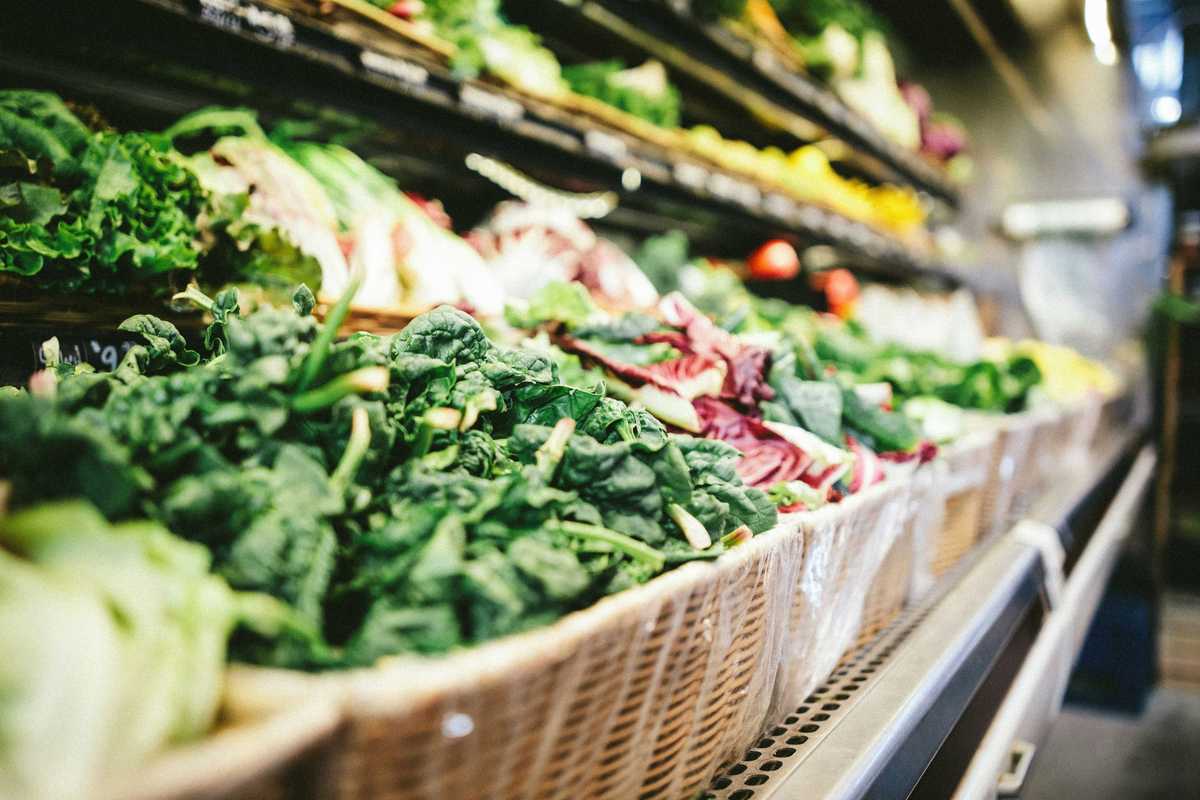
Pakistan’s consumer inflation is expected to edge higher in January, driven mainly by rising food prices, according to a research note by Topline Securities.
Topline estimates headline Consumer Price Index inflation at 5.75% to 6.25% year-on-year in January, compared with 5.61% in December and 2.40% in January last year. On a month-on-month basis, inflation is projected at 0.57%.
“Both year-on-year and month-on-month inflation are likely to increase primarily due to higher food prices,” Topline said.
Food inflation is estimated to rise 1.02% from the previous month, with sharp increases recorded in chicken prices, up 21%, wheat, up 14%, and wheat flour, up 10%. These gains were partly offset by steep declines in vegetables and sugar, with potato prices falling 34%, onions down 26% and sugar down 11%, the brokerage said.
The housing, water, electricity and gas category is expected to increase 0.99% month-on-month, largely due to a scheduled quarterly rent adjustment, estimated at 1.6%. Liquefied petroleum gas prices are also projected to rise 0.96% in January.
Electricity charges, however, are likely to decline marginally by 0.11% month-on-month, reflecting a quarterly tariff adjustment of PKR 0.3298 per kilowatt-hour for December to February and a fuel charges adjustment of minus PKR 0.9326 per kilowatt-hour, compared with minus PKR 0.8816 per kilowatt-hour in December, Topline said.
The transport segment is expected to fall 2.92% month-on-month, mainly due to a 6% drop in motor fuel prices.
Petrol prices are projected to decline 3.9%, while high-speed diesel is expected to fall 8.0%.
Based on the inflation outlook, Topline said real interest rates in January could rise to between 425 and 475 basis points, well above Pakistan’s historical average of 200 to 300 basis points.
The brokerage warned that volatility in global commodity prices remains a key risk that could alter the inflation trajectory.
The outlook broadly aligns with the State Bank of Pakistan’s latest monetary policy statement, which said headline inflation eased to 5.6% year-on-year in December from 6.1% in November, helped by moderating food prices despite a sharp increase in wheat-related costs.
The central bank noted that energy inflation increased due to the fading of a favorable base effect in electricity tariffs.
The SBP added that core inflation has remained around 7.4% in the first half of fiscal year 2026, even as inflation expectations among consumers and businesses continue to ease.
On balance, the bank projects inflation to stabilize within its 5% to 7% target range in fiscal years 2026 and 2027, though it cautioned that risks remain from global commodity price volatility, domestic wheat prices, changes in administered energy prices and a stronger-than-expected pickup in domestic demand.





Comments
See what people are discussing