

JPMorgan, Visa and Mastercard report third-party cyber incidents
Marketing data may have been exposed in a JPMorgan cyberattack involving vendors, while Visa and Mastercard say payment systems were unaffected

Business Desk
The Business Desk tracks economic trends, market movements, and business developments, offering analysis of both local and global financial news.
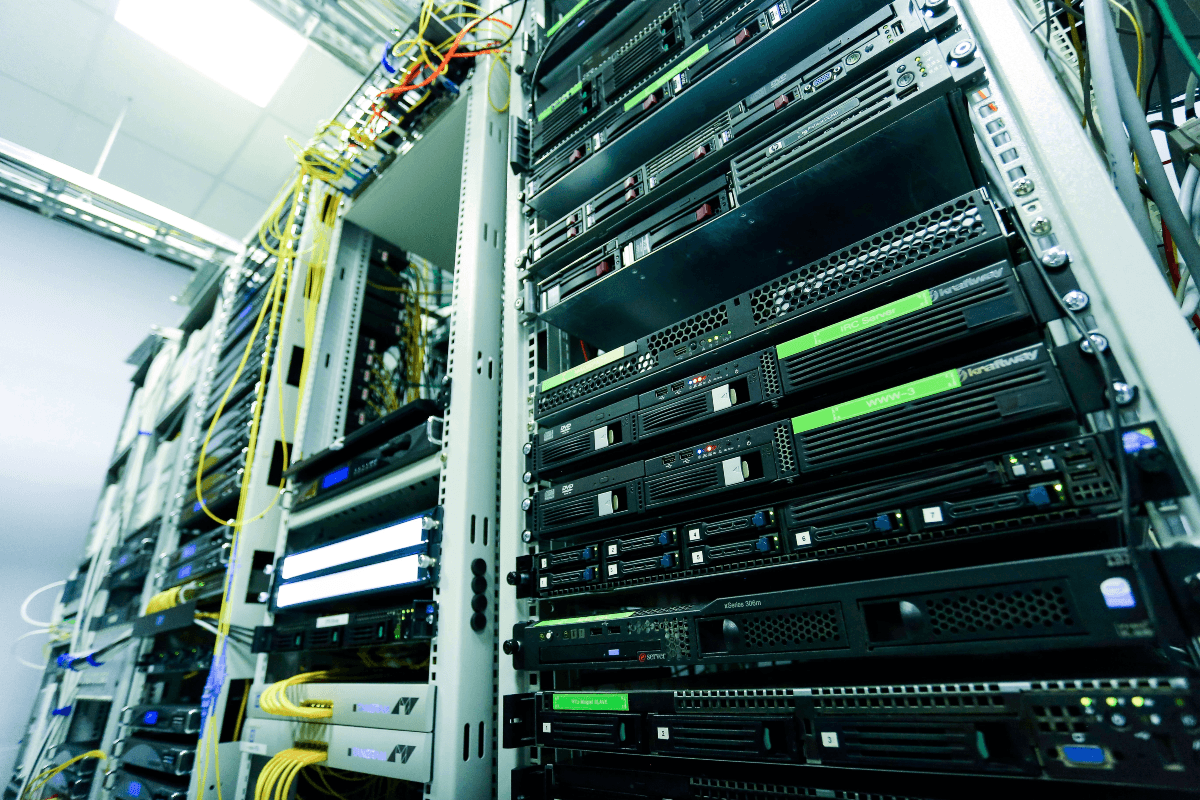
Server racks in a data center. JPMorgan, Visa and Mastercard have reported cyber incidents involving third-party service providers, raising concerns about customer data security
Pexels
JPMorgan Chase, Visa and Mastercard reported third-party cyber incidents on Thursday, with customer marketing information potentially exposed, Reuters reported. JPMorgan said names and email addresses may have been accessed, while Visa and Mastercard said their payment networks were unaffected.
What data may have been exposed in the JPMorgan cyberattack?
JPMorgan believes attackers accessed marketing records that could include customer names and email addresses. The bank said it would contact affected customers. A cyber extortion group called n0n posted purported data linked to JPMorgan, Visa and Mastercard, although Reuters said it could not independently verify the authenticity of the material.
JPMorgan, the largest US lender, said its assessment was based on an investigation still underway. It did not identify the vendors involved.
The group claimed on November 16 to possess cardmember engagement records comprising hundreds of thousands of marketing campaign interactions involving tens of thousands of email addresses, according to information captured by cybercrime research platform eCrime.ch.
Reuters reviewed material appearing to include 124 bank employee email addresses and more than 16,000 customer email addresses, some accompanied by telephone numbers and postal codes.
The news agency could not authenticate the data, and JPMorgan declined to comment on it.
The n0n group has claimed roughly 200 incidents since emerging in September 2026, according to eCrime.ch.
What have Visa and Mastercard confirmed?
Visa said the claims were linked to an incident at a third-party service provider in the Asia-Pacific region. It said its own systems had not been affected and that no payment data, including card numbers, was affected.
Mastercard acknowledged that an incident involving a third-party provider had exposed a limited number of email addresses belonging to a small group of cardholders enrolled in a particular benefits program.
The company said cardholders could continue using their cards and that its payment network was unaffected.
The data n0n attributed to Visa appeared to concern markets including Hong Kong, Taiwan, South Korea, Japan, the Philippines, Singapore, Malaysia, Australia and Macau, Reuters reported.
The purported Visa records included thousands of customer email addresses, phone numbers and marketing campaign information.
The purported Mastercard records related to customers in North America, the Middle East and Africa, along with a small number of employee email addresses.
Reuters said the posted data had not been independently verified.
The companies have not identified the vendors involved, and it remains unclear whether the incidents were connected.
Is the cyberattack linked to JPMorgan's earlier outage?
JPMorgan said the vendor cyberattack was unrelated to transaction-processing problems earlier in the week, which the bank attributed to a software bug that also disrupted other banks.
Following that outage, the US Office of the Comptroller of the Currency (OCC) sought information from lenders about its effects and customer communications, Reuters reported, citing industry sources.
The US Treasury and OCC also contacted banks to determine whether the disruption involved a cyber incident, according to a person familiar with the matter.
Carissa Robb of consulting firm SolomonEdwards warned that vendor security breaches could damage banks' reputations even when their own systems were not compromised.
She called for closer scrutiny of how much customer information companies share with external service providers and whether such sharing is necessary.





Comments
See what people are discussing