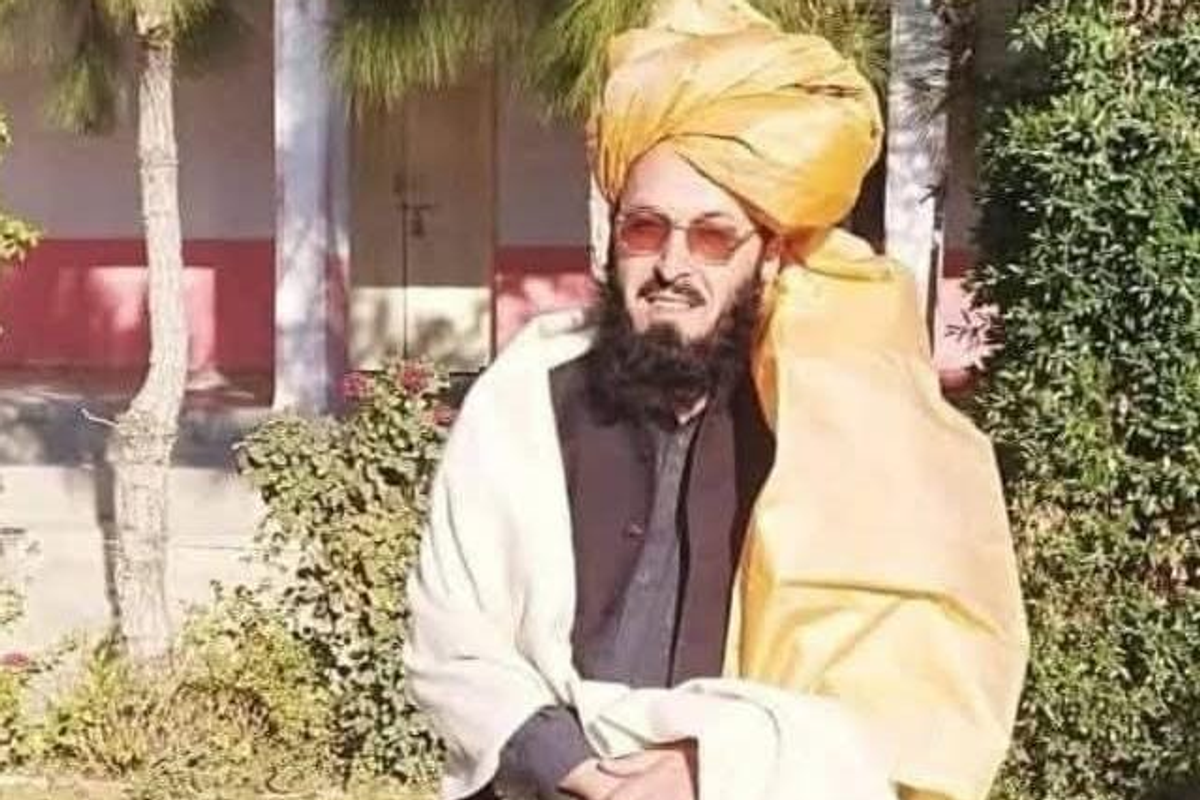
A religio-political leader in Pakistan, Maulana Sultan Muhammad Wazir, succumbed to injuries sustained in a bomb attack in the South Waziristan district of Khyber Pakhtunkhwa province, officials said on Saturday.
Wazir, a prominent figure in the Jamiat Ulema-e-Islam–Fazl (JUI-F) party, was targeted in what authorities described as an improvised explosive device (IED) blast on Friday.
The attack took place in the Wana bazaar area, near a religious seminary, according to Muhammad Tahir Shah, District Police Officer (DPO) of Lower South Waziristan. Maulana Wazir was critically injured and transported to Dera Ismail Khan for medical treatment, where he later died.
Wazir was a senior JUI-F leader and also served as district president of Wafaqul Madaris al-Arabia, a network of religious seminaries.
JUI-F chief Maulana Fazlur Rehman expressed profound grief over the killing, calling the attack an assault on moderation, peace, and democratic values.
Rehman noted that Maulana Wazir was not the first JUI-F cleric to be targeted in the region. Six months ago, Maulana Abdullah Nadeem, the party’s South Waziristan district chief, was critically injured in a bomb blast in Wana and remains under treatment in Multan. Earlier, former district chief Maulana Mirza Jan was killed in a terrorist attack in the same area.
“The repeated targeting of pro-peace religious scholars in South Waziristan and Bajaur signals a disturbing trend aimed at silencing JUI-F’s long-standing constitutional and non-violent political stance,” Rehman said. He urged Pakistan’s security institutions to ensure the protection of religious leaders and to bring the perpetrators to justice.
The security situation in Waziristan, which shares a porous border with Afghanistan, has remained fragile amid a resurgence of militant activity. Clerics and political figures have increasingly been targeted in the region, raising concerns over the safety of religious leaders.
In recent years, multiple JUI-F leaders have fallen victim to bombings and assassination attempts. Security analysts have linked many of these attacks in Khyber Pakhtunkhwa to the Islamic State Khorasan Province (ISKP), which has sought to expand its influence by targeting religious scholars and destabilizing the area.





Comments
See what people are discussing