

Karachi port faces major cargo delays amid staffing shortages
KCCI president warns KICT backlog disrupts trade, raises costs

Business Desk
The Business Desk tracks economic trends, market movements, and business developments, offering analysis of both local and global financial news.
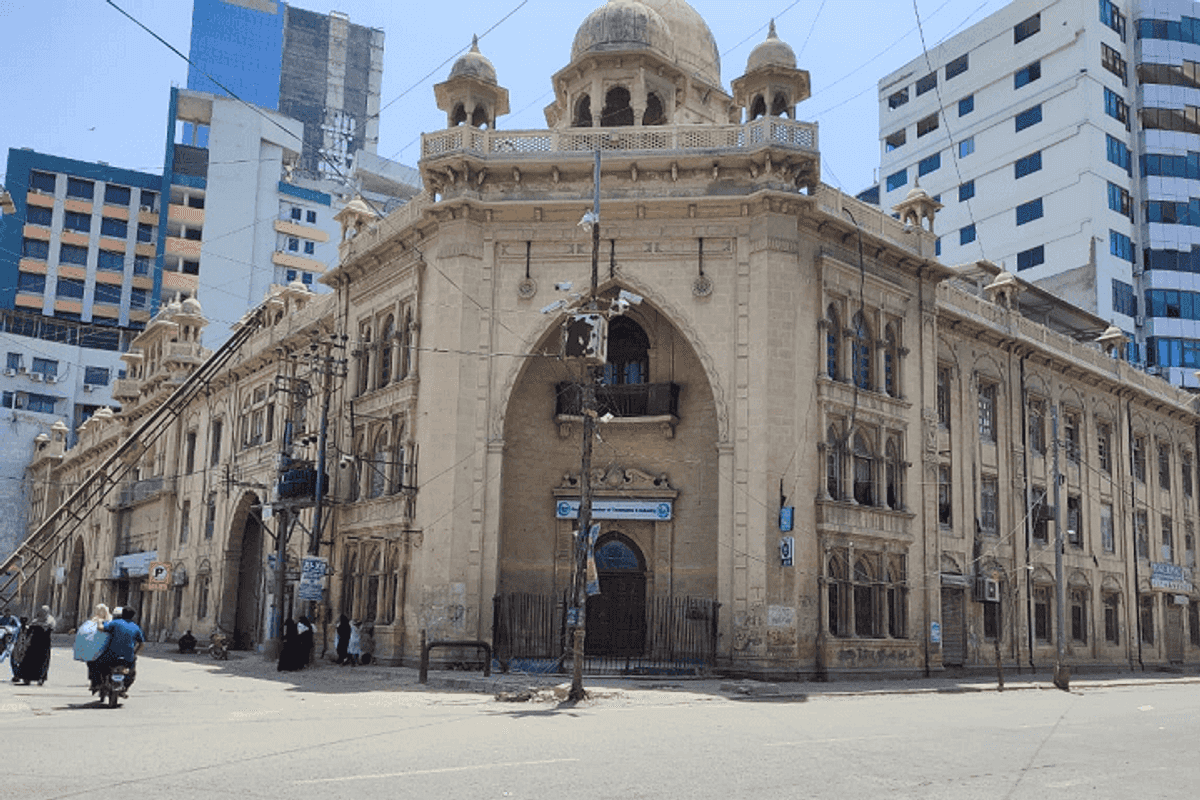
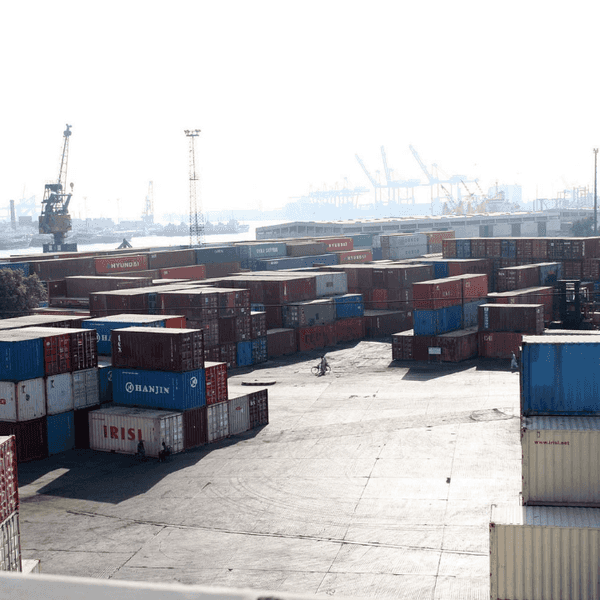
Karachi’s main container terminal is experiencing severe congestion, with nearly half of daily cargo shipments reportedly delayed, the Karachi Chamber of Commerce & Industry (KCCI) said on Thursday.
Rehan Hanif, president of KCCI, warned that the backlog at the Karachi International Container Terminal (KICT) is disrupting supply chains, increasing costs, and undermining the ease of doing business.
According to Hanif, the primary cause of the congestion is an acute shortage of customs staff, particularly for containers marked for inspection. He said the terminal requires at least 25 dedicated staffers overseen by two senior officials, but the current numbers remain insufficient. Frequent staff rotations further slow the clearance process, he added.
Hanif also highlighted that more than 2,000 containers under the Afghan Transit Trade remain stranded at KICT, contributing to the delays.
Despite the installation of advanced container scanners capable of inspecting a container in under a minute, Hanif said technical inefficiencies, limited staff training, and insufficient monitoring prevent the technology from being fully utilized.
The KCCI president cited assurances from a recent meeting between a chamber delegation and the Chief Collector of Customs that priority would be given to containers carrying single-item or industrial raw materials. However, he said these directives are not being consistently applied, leading to delays even for essential industrial shipments.
Truck tracking requirements have also emerged as a bottleneck. Hanif noted that installing tracking devices can take up to five hours per truck, slowing cargo evacuation and increasing costs for importers.
Structural factors also exacerbate congestion. KICT handles a high volume of miscellaneous cargo, which requires unpacking, inspection, and repacking — a time-consuming process that routinely slows operations.
Hanif warned of additional pressure on the terminal between February 5 and 15, 2026, due to a surge in imports following China’s extended New Year factory closures and the upcoming Eid season, when consumer goods imports typically rise.
“If immediate corrective measures are not taken, KICT could face severe congestion, resulting in shortages, market disruptions, and financial losses for both importers and terminal operators,” he said.
The KCCI president called on Pakistan’s finance minister, the Federal Board of Revenue (FBR) chairman, and customs officials to urgently increase staffing, streamline scanning and inspection processes, expedite industrial shipments, and rationalize truck tracking procedures.
“Timely intervention is essential to safeguard trade, stabilize markets, and protect consumers from artificial shortages and price hikes,” Hanif added.


Comments
See what people are discussing