

KP police prepare protest response amid political tensions
KP police issued operational guidelines for handling protests, setting out a graduated use of force as speculation grows over possible emergency rule

Kamran Ali
Correspondent Nukta
Kamran Ali, a seasoned journalist from Khyber Pakhtunkhwa, Pakistan, has a decade of experience covering terrorism, human rights, politics, economy, climate change, culture, and sports. With an MS in Media Studies, he has worked across print, radio, TV, and digital media, producing investigative reports and co-hosting shows that highlight critical issues.
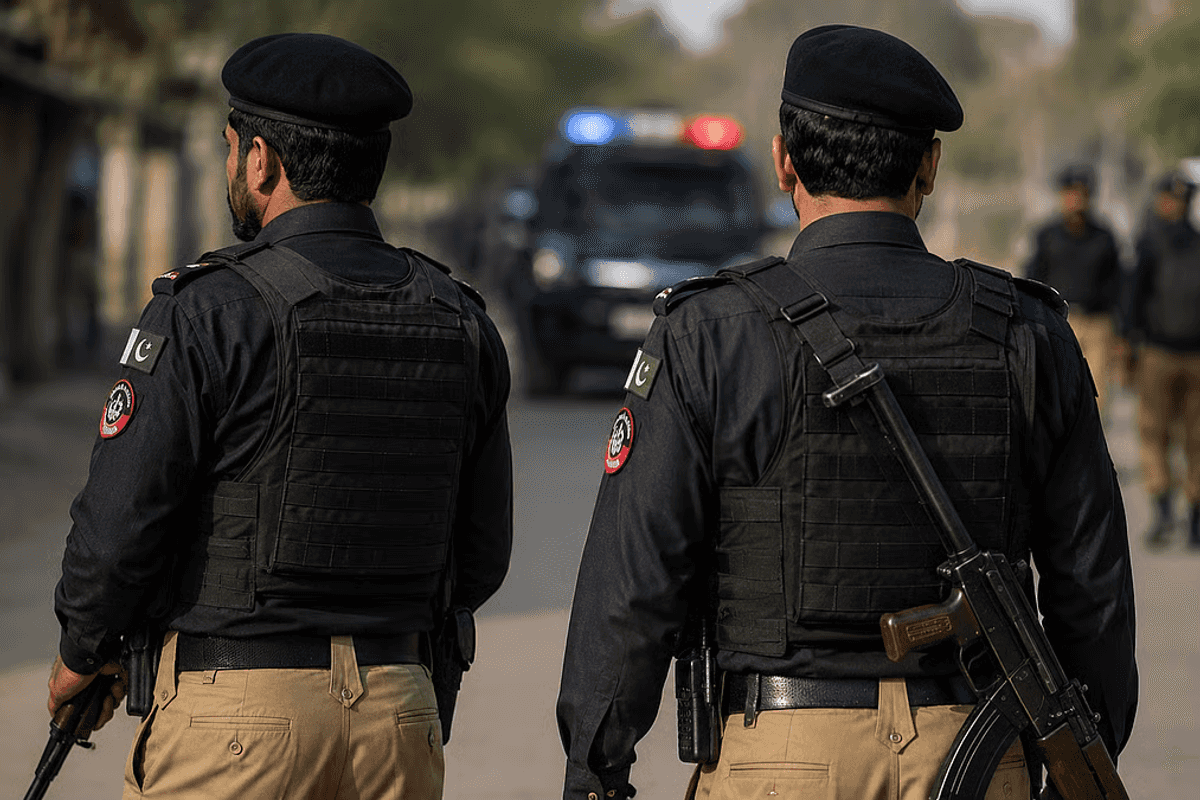
Police in Pakistan’s Khyber Pakhtunkhwa (KP) province have issued operational guidelines for managing public protests, calling for restraint and peaceful dispersal while setting out a graduated use of force.
The move comes as speculation grows over a possible imposition of emergency rule.
What do the KP police protest guidelines say?
The two-page document, titled “Operational Guidelines: Handling of Protests”, tells officers to prioritize dialogue and restraint during peaceful demonstrations. Force is allowed only when necessary and in stages, including tear gas, rubber bullets and paper-ball guns, followed by baton charges if unrest escalates.
The provincial police issued the guidelines through the office of the inspector general. They warn that miscreants and anti-state elements could exploit demonstrations to incite violence or carry out sabotage, and they outline measures to maintain public order and protect lives and property.
Those involved in rioting, vandalism or other acts that disrupt public order will face legal action, the guidelines warn. Police said damage to government installations and public property would not be tolerated, while urging citizens to avoid unlawful gatherings, violence and incitement.
How will police handle protests on the ground?
Under the instructions, district police officers (DPOs), sub-divisional police officers (SDPOs) and station house officers (SHOs) must personally attend protests in their jurisdictions. District police chiefs are responsible for ensuring adequate deployment, including anti-riot squads, unarmed teams tasked with apprehending violent protesters and plainclothes personnel assigned to identify suspected troublemakers.
Armed personnel may be stationed at designated locations in emergencies, but only under the direct command of district police chiefs. Police teams have also been directed to secure sensitive sites along protest routes, including government offices, banks and petrol stations. Authorities may require permits for demonstrations considered likely to breach the peace and halt processions that violate permit conditions, the guidelines state.
Special unarmed teams are to apprehend people involved in violence and initiate legal proceedings against them. The guidelines also permit designated armed personnel to fire into the air only on the orders of the senior-most officer present, in cases of extreme violence and imminent threats to life or property when protesters refuse to disperse.
Police have been instructed to minimize casualties, record demonstrations on video and conduct briefings and rehearsals to prepare personnel for protest-related deployments.
What is the political context behind the guidelines?
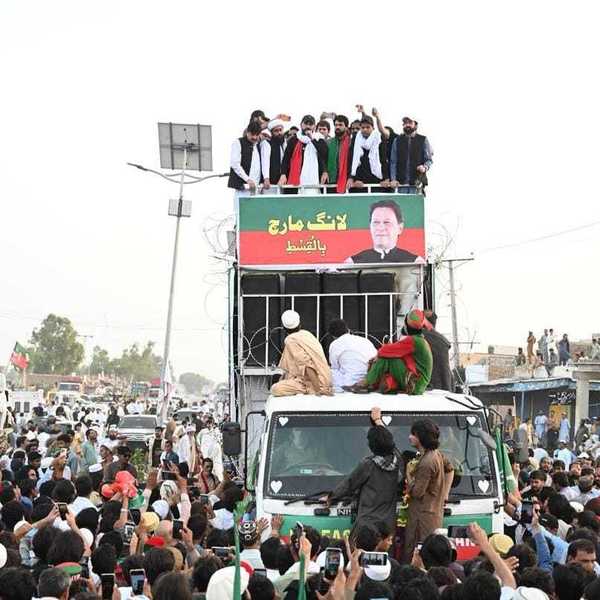
The opposition Pakistan Tehreek-e-Insaf (PTI), which governs the northwestern province, has warned of protests if the federal government moves to impose emergency rule.
The guidelines come after PTI provincial president Junaid Akbar and Chief Minister Sohail Afridi warned that party supporters would gather outside and surround the Governor House and other locations if emergency rule were imposed in the province.




Comments
See what people are discussing