

NEPRA overhauls net metering rules, shifting solar users to net billing
Power regulator changes buy-sell pricing, caps generation under new framework

Haris Zamir
Business Editor
Experience of almost 33 years where started the journey of financial journalism from Business Recorder in 1992. From 2006 onwards attached with Television Media worked at Sun Tv, Dawn Tv, Geo Tv and Dunya Tv. During the period also worked as a stringer for Bloomberg for seven years and Dow Jones for five years. Also wrote articles for several highly acclaimed periodicals like the Newsline, Pakistan Gulf Economist and Money Matters (The News publications)
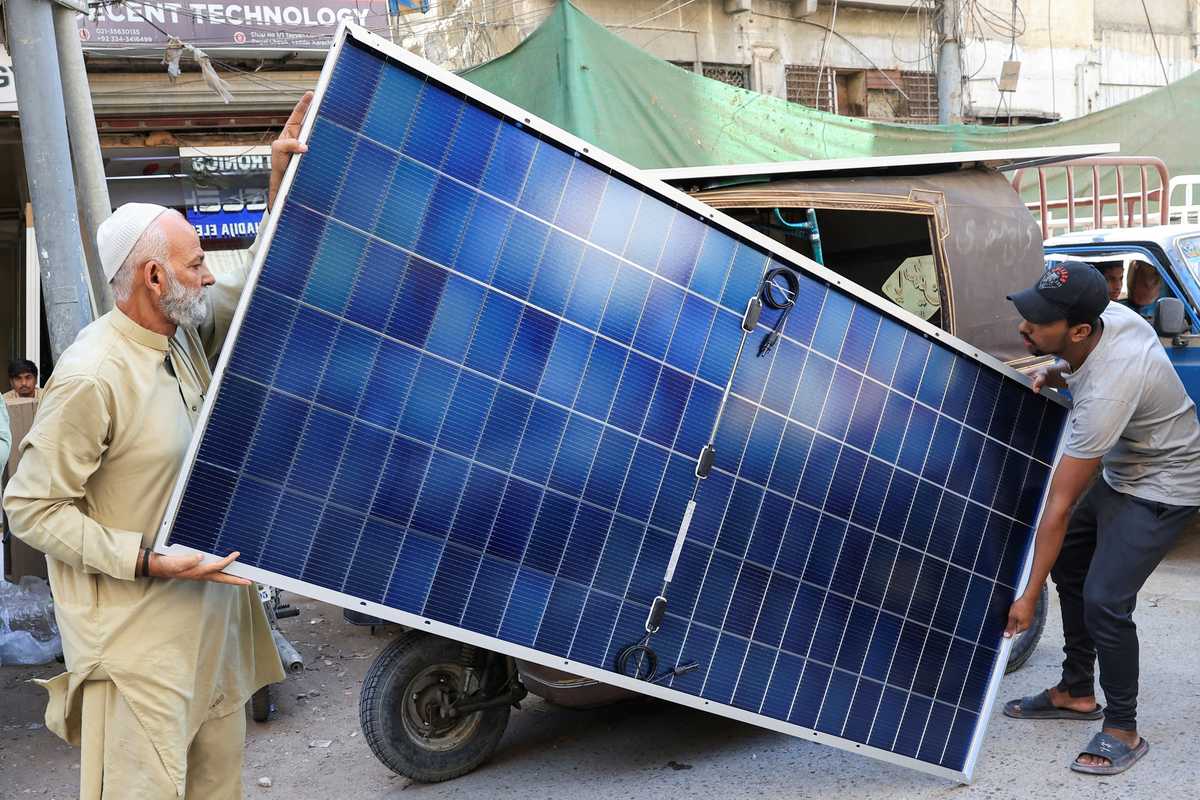
Pakistan’s power regulator has introduced sweeping changes to the country’s net metering framework, altering how electricity is bought from and sold to consumers who generate their own power, a move likely to impact thousands of solar users.
The National Electric Power Regulatory Authority (NEPRA) has notified the Prosumer Regulations 2025, replacing the existing net metering system with a new “net billing” mechanism for new consumers and, eventually, existing ones once their contracts expire.
Under the new rules, electricity generated by consumers — now officially termed “prosumers” — will be purchased by power distribution companies at the National Average Energy Purchase Price (NAEPP), while electricity supplied to them will be billed at prevailing consumer tariffs. This creates a clear price gap between buying and selling rates, unlike the previous unit-based offset system.
NEPRA said separate tariffs and separate meters will be used to measure electricity imported from and exported to the grid, enabled through the rollout of smart meters capable of recording two-way energy flow in real time. The new meters will replace the previously used analog “green meters”.
Under the net billing model, prosumers will receive monetary credits for electricity they export to the grid rather than unit adjustments. Their total monthly bill will be calculated by offsetting the value of exported electricity against the cost of imported electricity.
The regulations also tighten limits on electricity generation. Prosumers will no longer be allowed to install generation capacity exceeding their sanctioned load, removing the earlier allowance of up to 1.5 times the approved load. NEPRA has also given itself the authority to review and reassess a consumer’s generation capacity.
In addition, distribution companies will be barred from approving new net metering connections once distributed generation connected to a transformer reaches 80% of its rated capacity, a measure aimed at preventing system overloading.
The new rules prohibit new net metering consumers from selling electricity directly to other consumers. While the regulations apply immediately to new applicants, existing net metering users will be brought under the new framework once their current agreements expire.
The changes are expected to significantly affect the financial viability of rooftop solar installations, particularly for residential and commercial consumers who previously benefited from higher retail offsets under the older net metering regime.





Comments
See what people are discussing