

Oil industry seeks petrol pricing change as under-recovery may hit PKR 17per liter
OCAC says using historical import costs when PSO has no recent cargo can leave oil marketing companies unable to recover current procurement costs

Business Desk
The Business Desk tracks economic trends, market movements, and business developments, offering analysis of both local and global financial news.
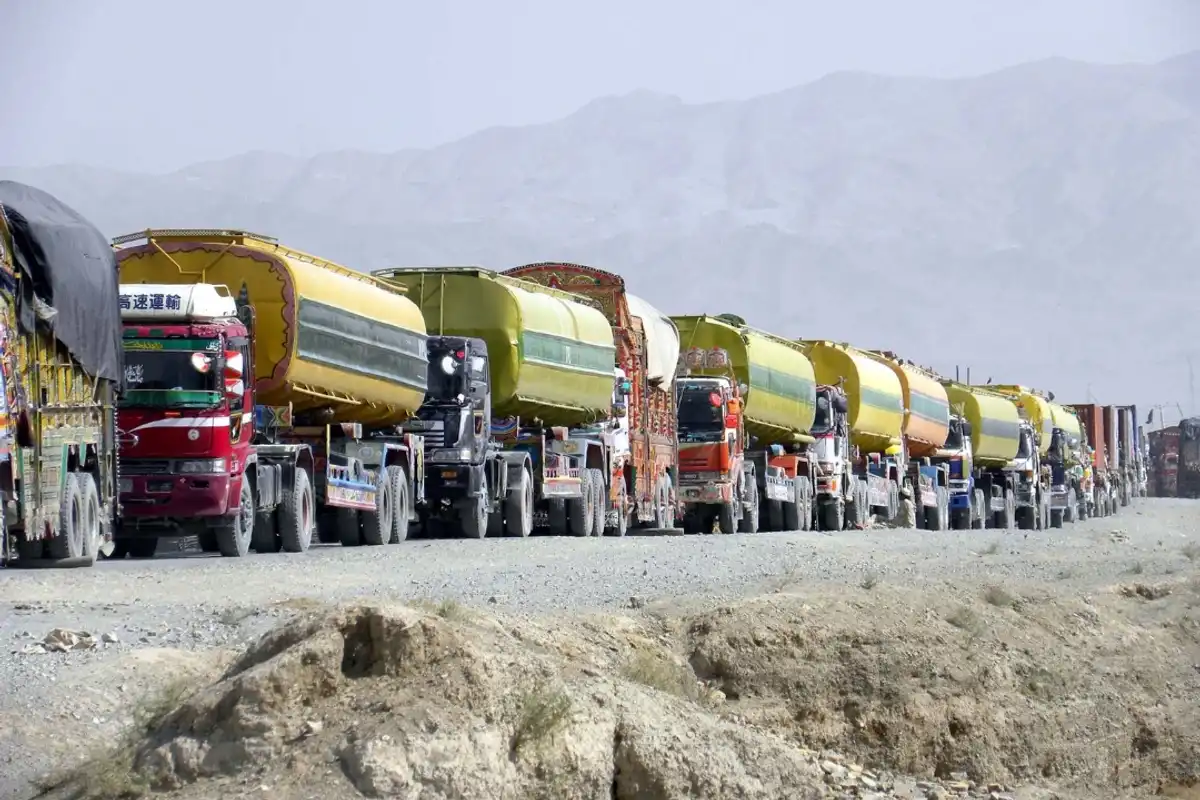
Pakistan’s oil industry has urged the government to revise the petrol import pricing mechanism, warning that oil marketing companies could face under-recoveries of PKR 16 to PKR 17 per liter when the formula relies on historical average costs instead of the latest import prices.
The Oil Companies Advisory Council, or OCAC, in a letter to Petroleum Secretary Hamed Yaqoob Sheikh, proposed using the premium, incidental charges, customs duty and applicable exchange-rate adjustment of Pakistan State Oil’s most recent motor spirit import cargo whenever the state-owned company has no petrol import cargo during the preceding rolling seven working days.
The industry body said the existing mechanism, approved by the federal government on August 19, allows the calendar-year-to-date average of premiums, incidental charges and customs duty to be used when PSO has no petrol import cargo within the specified period.
OCAC said the historical average does not adequately reflect prevailing procurement costs and could leave importing oil marketing companies unable to recover the cost of replacing their stocks.
“The CYTD average is not an appropriate proxy for the prevailing import cost,” the council said in its letter, arguing that the latest actual import transaction would provide a more accurate basis for administered prices.
The issue has become more significant as international petrol import premiums have risen sharply, according to OCAC.
Why does the oil industry want the petrol pricing formula changed?
OCAC says the current mechanism can use much lower historical average import costs when PSO has no petrol cargo within seven working days. With import premiums now significantly higher, the council estimates this could leave oil marketing companies with under-recoveries of PKR 16 to PKR 17 per liter.
PSO has an approximately 10-day gap between cargoes scheduled for October 13-15 and October 26-28. During that interval, the current formula could revert to a calendar-year-to-date average premium of about USD 13 per barrel.
However, PSO’s subsequent cargoes are being procured at premiums of USD 28.47 per barrel for a late-October shipment and USD 28.76 per barrel for an early-November shipment, the council said.
Industry cargoes are also being purchased at premiums substantially above the calendar-year-to-date average, it added.
Using the lower historical benchmark during the gap could result in an estimated under-recovery of PKR 16 to PKR 17 per liter for importing oil marketing companies, according to OCAC.
The council proposed amending the mechanism so that the premium, incidental charges, customs duty and applicable exchange-rate adjustment from PSO’s latest petrol import cargo would apply whenever no cargo had arrived within the preceding rolling seven working days.
It said the change would link administered prices more closely to actual procurement transactions and reduce the risk of substantial cost under-recovery when international prices and premiums move sharply.
Industry cites financial pressures
OCAC said Pakistan meets approximately 70% of its motor spirit requirements through imports, making an accurate reflection of international procurement costs important for the financial sustainability of oil marketing companies and the continuity of petroleum supplies.
The council also highlighted industry-wide financial pressures, including approximately PKR 66.7 billion in outstanding price differential claims, stagnant oil marketing company margins, rising operating expenses and increasing compliance requirements.
Further under-recovery caused by a pricing mechanism that does not reflect current import costs would add to those pressures, it said.
The matter was discussed with the Ministry of Energy’s Petroleum Division and the Oil and Gas Regulatory Authority on October 6, when OCAC was advised to submit its recommendation to the relevant forum for consideration.
The council requested the petroleum secretary’s intervention to consider the proposed amendment urgently and sought a meeting to discuss the issue.




Comments
See what people are discussing