

Pakistan and IMF discuss economic reforms, reserves and fuel subsidies in Bangkok
Finance Minister Muhammad Aurangzeb discussed Pakistan's economic reforms, reserves and targeted fuel subsidies with IMF Deputy Managing Director Nigel Clarke.

Business Desk
The Business Desk tracks economic trends, market movements, and business developments, offering analysis of both local and global financial news.
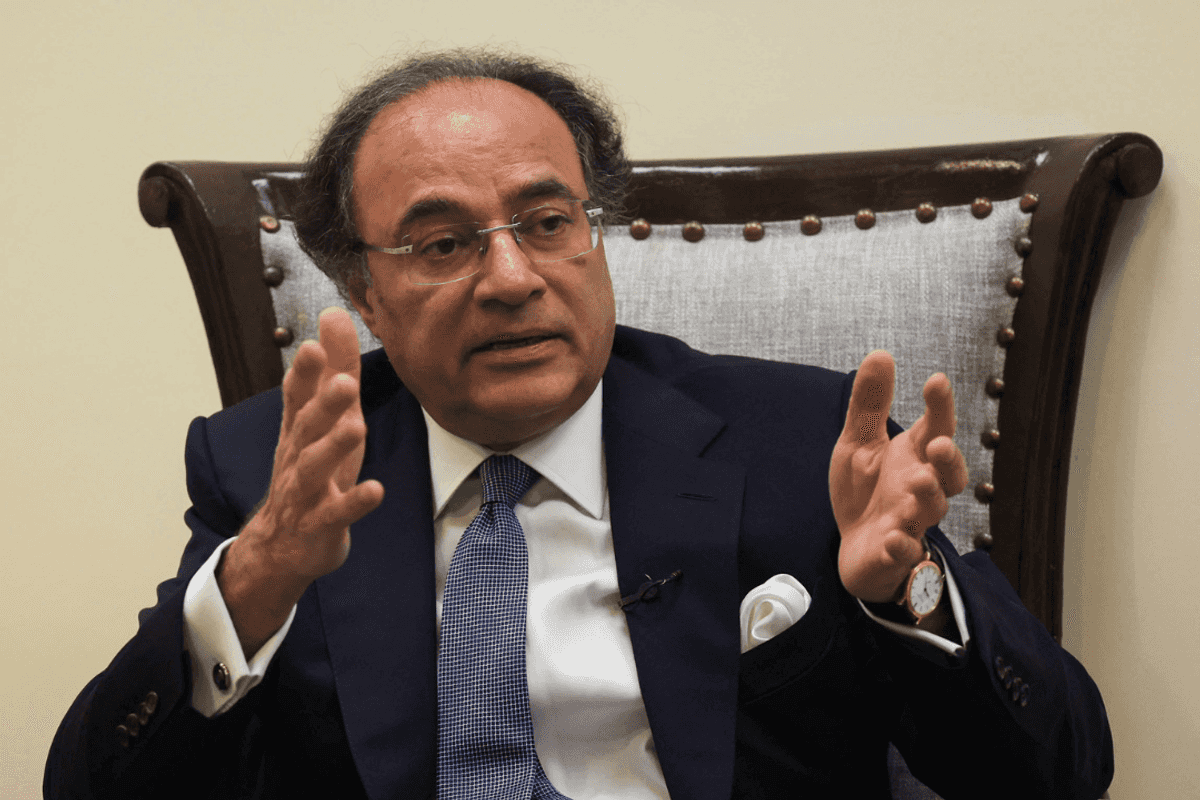
Finance Minister Muhammad Aurangzeb.
Reuters/File
Pakistan's Finance Minister Muhammad Aurangzeb discussed economic reforms, foreign exchange reserves and targeted fuel subsidies with International Monetary Fund (IMF) Deputy Managing Director Nigel Clarke in Bangkok, the Finance Division said Wednesday. The meeting took place on the sidelines of the World Bank Group-IMF Annual Meetings.
What did Aurangzeb discuss with the IMF about economic reforms?
Aurangzeb reaffirmed the government's commitment to economic reforms and stressed their sustained implementation. He also outlined targeted fuel subsidies meant to protect vulnerable groups while maintaining social cohesion. The talks centered on sustainable growth, policy consistency, and keeping health and education spending within fiscal discipline.
What economic gains did Pakistan highlight at the IMF meeting?
Aurangzeb expressed appreciation for the IMF's partnership with Pakistan, according to a Finance Division media brief. He said the government remains committed to economic reforms and wants them implemented consistently over time.
He highlighted Pakistan's return to international capital markets, strong investor participation and improved foreign exchange reserves. He also cited three consecutive years of primary budget surpluses and a declining debt-to-gross domestic product ratio.
What did the IMF deputy chief say about reserves and revenue?
Aurangzeb noted Clarke's emphasis on maintaining adequate foreign exchange reserve buffers and strengthening revenue collection. These measures would help support investment in human capital, infrastructure and public services.





Comments
See what people are discussing