

Pakistan’s top court upholds super tax on high-earning individuals, firms
The Federal Constitutional Court has dismissed all appeals challenging the tax

Business Desk
The Business Desk tracks economic trends, market movements, and business developments, offering analysis of both local and global financial news.
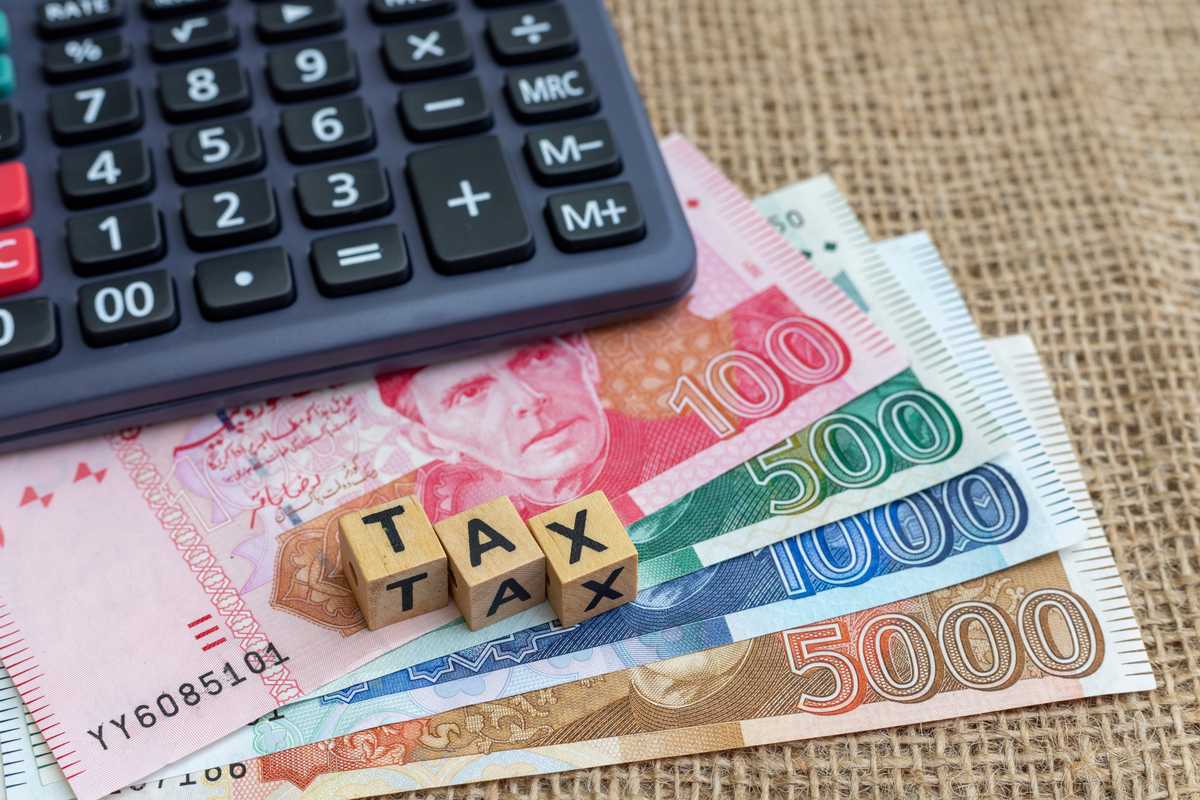
The tax was introduced in 2015 to aid the rehabilitation of terrorism-affected populations in Khyber Pakhtunkhwa
Pakistan’s top constitutional court has upheld the super tax on big businesses, a move that is expected to generate over PKR 300 billion in revenue for the government.
In a ruling on Tuesday, the Federal Constitutional Court (FCC) restored Section 4B of the Income Tax Ordinance 2001, which served as a legal basis for the tax.
The tax was introduced in 2015 to aid the rehabilitation of terrorism-affected populations in Khyber Pakhtunkhwa. Initially, a 5% super tax was levied on individuals and entities earning above PKR 300 million annually. In 2022, the tax threshold was lowered to PKR 150 million, while the rate was increased to 10%.
Several businesspersons, banks, and companies had filed challenges in high courts against the super tax, arguing that it amounted to double taxation.
On Tuesday, the FCC announced a short order after a brief hearing in the morning. The three-judge bench comprising FCC Chief Justice Ameen-ud-din Khan, Justice Hassan Rizvi, and Justice Arshad Hussain Shah dismissed the challenges, thus upholding the tax.





Comments
See what people are discussing