

Pakistan Customs enforces bank exchange rates on shipping charges after compliance
Major global carriers agree to end inflated dollar billing, easing costs for traders and exporters

Business Desk
The Business Desk tracks economic trends, market movements, and business developments, offering analysis of both local and global financial news.
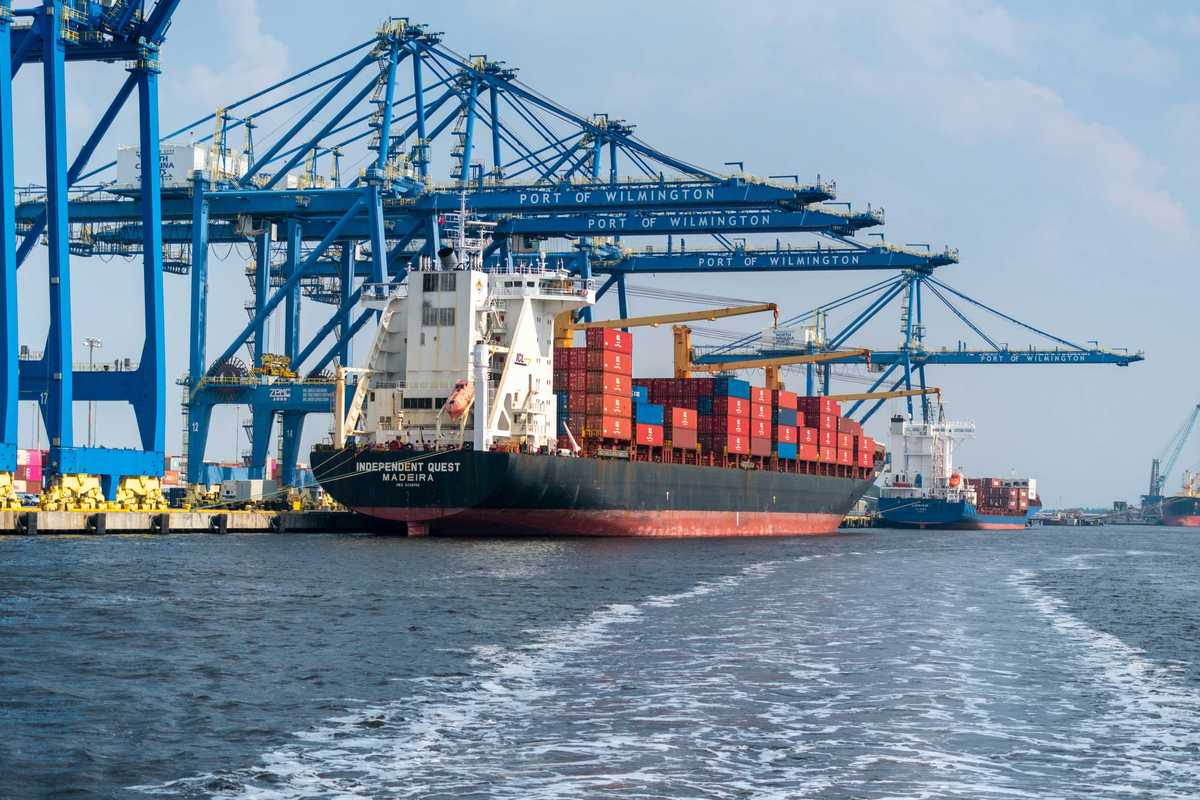
A large cargo ship in the water with a large crane in the background
Pakistan Customs has secured industry-wide compliance from international shipping lines to apply official bank exchange rates for shipping charges, a move authorities say will curb arbitrary billing practices and ease costs for traders and exporters.
The All-Pakistan Shipping Association confirmed in a letter dated Jan. 12 that its member lines are now calculating shipping fees using exchange rates issued by their authorized commercial banks, in line with State Bank of Pakistan regulations, customs officials said.
The development follows months of consultations led by a high-level committee formed by Pakistan Customs, which engaged shipping agents, terminal operators, trade bodies and foreign shipping lines. Maersk, the largest carrier operating in Pakistan and handling about 26% of the country’s cargo, had earlier adopted the practice, setting a precedent for the sector.
Customs officials said written assurances of compliance have since been received from major carriers and their local agents, including Hapag-Lloyd, Ocean Network Express, COSCO Shipping, CMA CGM, Mediterranean Shipping Company, OOCL and United Marine Agencies.
For years, exporters and importers complained that some shipping lines charged fees using inflated dollar exchange rates well above those notified by the central bank, raising logistics costs and hurting export competitiveness.
Authorities said the enforcement of official rates is expected to bring greater transparency and predictability to shipping charges, lower business costs and improve confidence among traders.
“This is a significant corrective step for Pakistan’s trade ecosystem,” said Karachi-based trade analyst.
“Shipping costs feed directly into export pricing. By aligning charges with official bank rates, Customs has reduced a major source of uncertainty and cost escalation, which should help exporters remain competitive, especially in price-sensitive global markets.”
The Federal Board of Revenue said the move reflects its commitment to facilitating legitimate trade, improving the ease of doing business and supporting export-led economic growth through tighter regulatory oversight and coordination with stakeholders.





Comments
See what people are discussing