

Pakistani exporters press for reforms as economic recovery remains fragile
Kamran Khan said structural reforms are still needed despite some economic improvements

News Desk
The News Desk provides timely and factual coverage of national and international events, with an emphasis on accuracy and clarity.
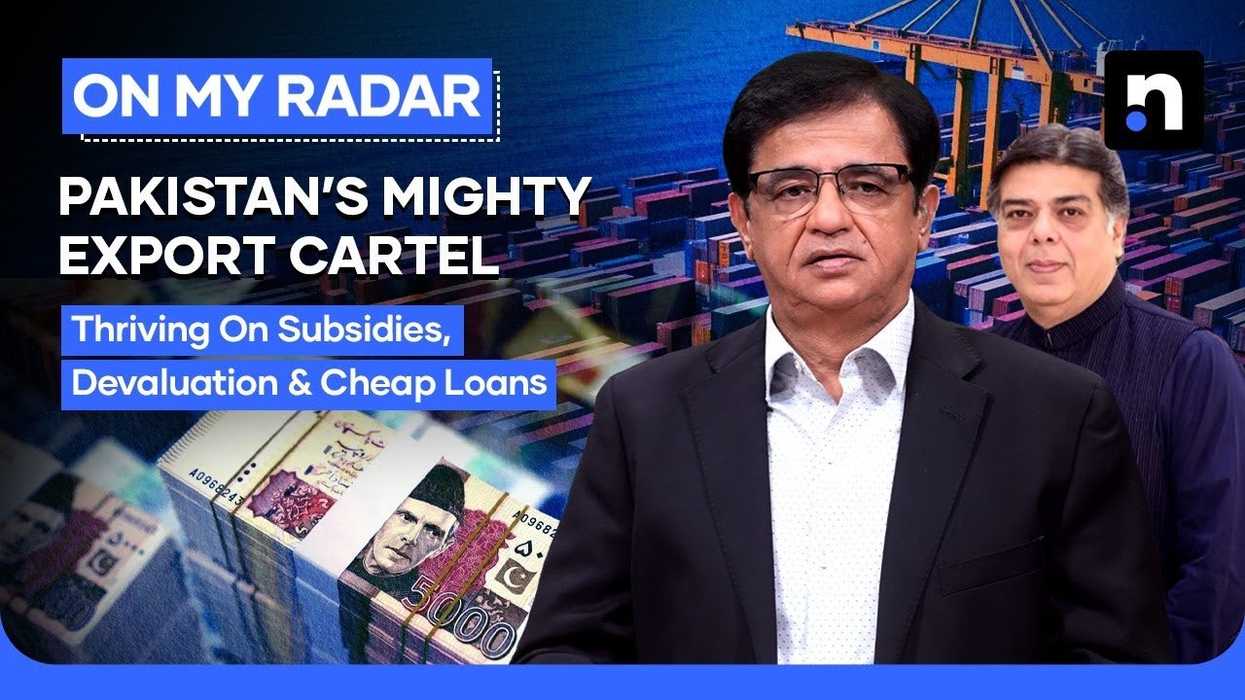
Pakistan’s economy is showing tentative signs of stabilization, with key indicators such as inflation, interest rates, remittances, exchange rates, and foreign reserves showing modest improvement. Yet, persistent structural weaknesses, policy inconsistencies, and a fragile tax system continue to constrain both domestic and foreign investment.
These underlying challenges have contributed to stagnation in manufacturing and only marginal growth in exports, keeping GDP expansion over the past three years limited to an average of 1.5-2%.
In the latest episode of On My Radar, Kamran Khan discussed these developments, noting that while some macroeconomic metrics are improving, deeper structural reforms remain essential to create a sustainable environment for business and investment.
The State Bank of Pakistan (SBP) recently reduced its benchmark interest rate by 50 basis points, from 11% to 10.5%. Exporters and business leaders described the cut as largely symbolic, warning that it is unlikely to materially stimulate industrial activity or improve export competitiveness.
SBP Governor Jameel Ahmed projected GDP growth of 3.25-4.25% in 2026 and expects inflation to remain within the 5-7% range. Analysts, however, remain cautious, citing ongoing structural bottlenecks and governance challenges.
Exporters are increasingly calling for a devaluation of the Pakistani rupee, arguing that a weaker currency would lower production costs and enhance the price competitiveness of Pakistani goods abroad. Yet past experience shows that currency devaluation often fuels inflation without delivering substantial export growth.
Between 2022 and 2023, the rupee lost almost 80% of its value, with the interbank exchange rate rising from 181 to 307 rupees per US dollar. During the same period, textile exports – Pakistan’s largest export sector – rose modestly from $16.5 billion to $17.8 billion, an increase of roughly 8%, far below the 60% drop in the currency’s value. Inflation surged to 38%, underlining the limitations of relying solely on currency adjustments to boost exports.
Exporters say the government must implement broader industrial and trade policies, including incentives for value addition, improved access to financing, and stable regulatory frameworks, to truly revive Pakistan’s export performance and sustain economic recovery.


Comments
See what people are discussing