

Pakistan moves to fast-track UN aid cargo bound for Afghanistan
Islamabad clears the way for phased movement of UN food, medicine and school supplies headed into Afghanistan.

News Desk
The News Desk provides timely and factual coverage of national and international events, with an emphasis on accuracy and clarity.

Aamir Abbasi
Editor, Islamabad
Aamir; a journalist with 15 years of experience, working in Newspaper, TV and Digital Media. Worked in Field, covered Big Legal Constitutional and Political Events in Pakistan since 2009 with Pakistan’s Top Media Organizations. Graduate of Quaid I Azam University Islamabad.
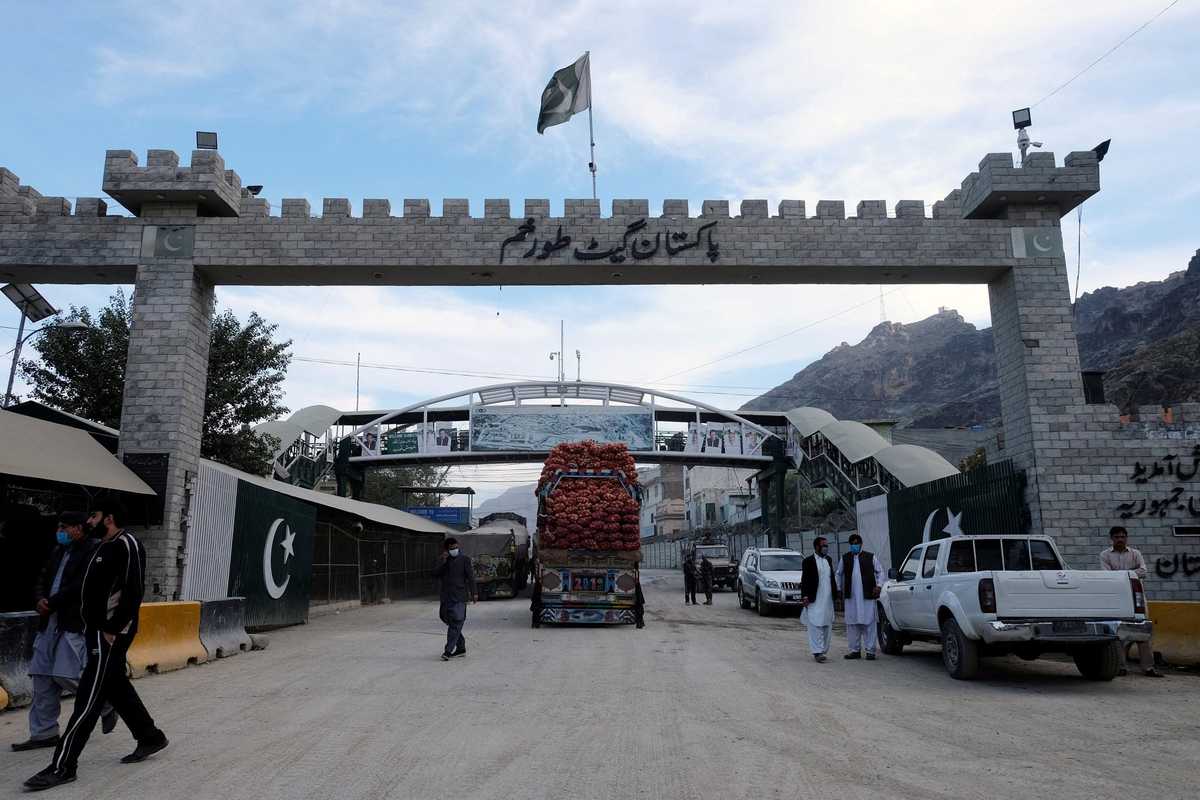
A general view of the border post in Torkham, Pakistan, December 3, 2019.
Reuters
Pakistan has directed customs authorities to expedite the clearance and transportation of United Nations humanitarian cargo destined for Afghanistan, according to an official communication from the Ministry of Commerce.
In a letter sent to the Federal Board of Revenue’s Member Customs (Operations) in Islamabad and the director general of Transit Trade in Karachi, the ministry announced a decision — taken in consultation with the Ministry of Foreign Affairs — to allow phased movement of humanitarian consignments belonging to the World Food Program, UNICEF and UNFPA.
The order follows urgent correspondence from the Ministry of Foreign Affairs and the UN Resident Coordinator’s Office about stranded UN supplies awaiting transit clearance.
Under the directive, Pakistan will permit movement of three categories of UN containers in stages:
• Phase I: Food items
• Phase II: Pharmaceutical products and medical equipment
• Phase III: Other essential goods, including student and teacher kits
The letter identifies 143 Afghanistan Transit Trade containers for prioritized processing: 67 belonging to WFP, 74 to UNICEF and two to UNFPA.
The Ministry of Commerce instructed customs officials to immediately facilitate the clearance and onward transportation of these shipments through Chaman and Torkham in line with APTTA and ATT rules. Additional details on remaining UN cargo will be shared later, the notice said. Carlos Geha has been named as the UN’s focal person for coordination.
Officials say the decision underscores Pakistan’s continued backing for global humanitarian efforts addressing urgent needs inside Afghanistan. However, key border crossings in Khyber Pakhtunkhwa remain closed as of early December.
Escalating tensions
Pakistan and Afghanistan have been locked in an escalating diplomatic and security dispute since the Taliban seized power in Kabul in 2021. Islamabad accuses the Taliban government of allowing militants to launch attacks across the border — allegations Afghan authorities reject.
Despite tensions, Pakistan remains landlocked Afghanistan’s largest trading partner. It supplies major goods such as rice, pharmaceuticals and raw materials, and in 2024 imported about 45% of Afghanistan’s exports, according to the World Bank.
More than 70% of those Afghan exports — worth an estimated $1.4 billion — are perishable agricultural products including figs, pistachios, grapes and pomegranates.
Trade disruptions deepened after Pakistan shut the Torkham and Chaman crossings on Oct. 12 following a deadly exchange of fire along the frontier. Dozens of Afghan trucks were left stranded with produce spoiling in cargo holds.
Border clashes erupted overnight between Oct. 11 and 12 after Afghan Taliban fighters and allied militants launched what Pakistan called unprovoked attacks on its military posts. The violence left more hundreds dead.
Both sides agreed to an immediate ceasefire in Qatar-mediated talks and formalized the arrangement Oct. 19 with support from Qatar and Turkey. Under the deal, militant attacks on Pakistani soil from Afghanistan would halt, and both governments would establish mechanisms to support lasting peace.
Follow-up negotiations in Turkey later stalled after Islamabad said the Taliban delegation failed to address Pakistan’s concerns over cross-border terrorism. Mediators pressed for another attempt at dialogue, which eventually led to the current ceasefire arrangement.



Comments
See what people are discussing