

Pakistan revives offshore oil exploration after 18-year bidding gap
Oruc Reis will conduct 3D seismic surveys off Karachi and 2D surveys in Makran as Pakistan's offshore oil exploration drive enters a new phase

Business Desk
The Business Desk tracks economic trends, market movements, and business developments, offering analysis of both local and global financial news.
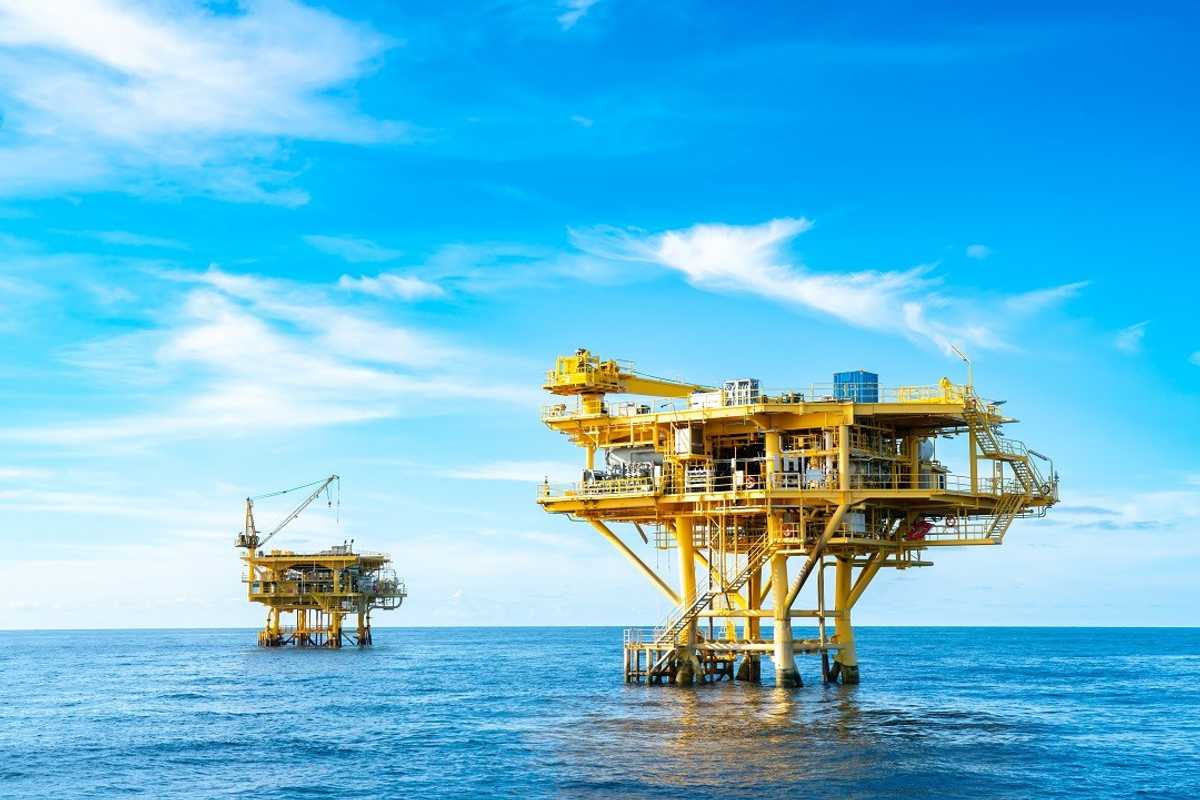
Offshore oil and gas wellhead remote platform.
Pakistan is reviving offshore oil and gas exploration following its first offshore bidding round in 18 years, with Turkish seismic vessel Oruc Reis docking at Karachi Port on Thursday, November 19, ahead of surveys off Karachi and the Makran coast, Turkiye's Energy Ministry said.
What will the offshore oil exploration surveys cover?
The Oruc Reis will first collect 3D seismic data across 670 square kilometers in the Eastern Offshore Indus-C block off Karachi. It will then return to port before undertaking 2D surveys along 2,353 kilometers of lines in the Makran blocks, according to Turkiye's Energy Ministry.
The initial survey, including preparations and data collection, is expected to take approximately 50 days, while the subsequent Makran operation is expected to last 25 days.
A ceremony marking the vessel's arrival is scheduled for Friday, November 20, at Karachi Port, with Turkish Energy Minister Alparslan Bayraktar expected to attend.
The vessel's arrival marks a new phase of energy cooperation between Pakistan and Turkiye.
Turkish Petroleum Corporation (TPAO), through its subsidiary Turkish Petroleum Overseas Company (TPOC), holds a 25% stake and operatorship in the Eastern Offshore Indus-C block under a partnership with Pakistan Petroleum Limited (PPL), Oil and Gas Development Company Limited (OGDCL) and Mari Energies.
Why is Pakistan reviving offshore exploration?
The renewed bidding effort sought to attract international companies and develop domestic energy resources.
The government launched its offshore bidding round in January 2025, offering 40 blocks across the Indus and Makran basins. It subsequently awarded 23 blocks to exploration consortiums.
Pakistan has approximately 283,000 square kilometers of offshore territory with potential oil and gas resources. However, exploration activity has remained limited, with only 18 offshore exploratory wells drilled since independence.
The country's maritime territory borders the United Arab Emirates, Oman and Iran, placing its exploration prospects near established oil and gas-producing regions.
PPL previously completed reprocessing of existing 2D and 3D seismic data from the Eastern Offshore Indus-C block, according to its corporate reporting.
The new surveys are expected to improve geological understanding and identify promising areas for future drilling.
However, offshore exploration requires substantial investment and advanced technology, while commercial discoveries remain uncertain. Any discoveries would require further appraisal and development before production could begin.



Comments
See what people are discussing