

Pakistan petrol falls PKR 8.59 per liter over week despite global oil rally
Diesel also declines by PKR 3.30 as the latest revisions leave petrol at PKR 377.71 and diesel at PKR 393.66 per liter for October 24–26

Business Desk
The Business Desk tracks economic trends, market movements, and business developments, offering analysis of both local and global financial news.
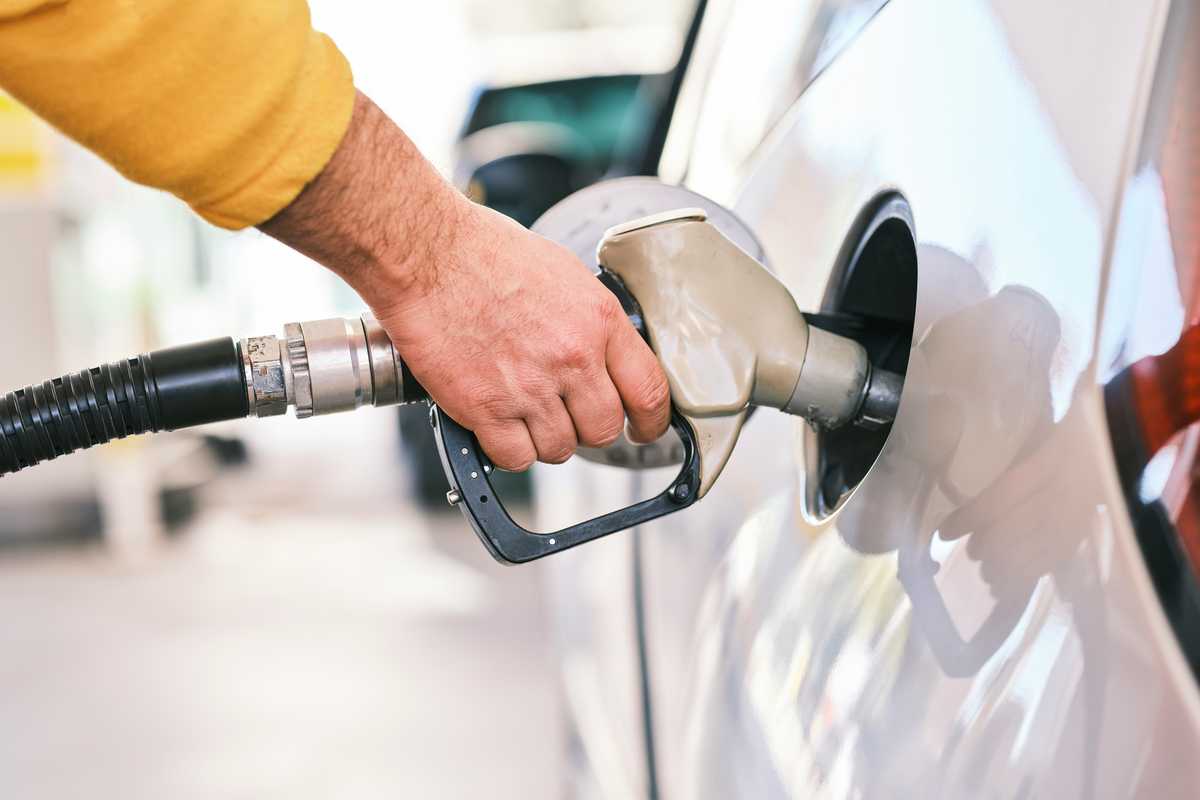
Petrol was priced at PKR 377.71 per liter for October 24–26, down from PKR 386.30 on October 17.
Unsplash
Pakistan's petrol price fell by PKR 8.59 per liter over the week ending October 23, while high-speed diesel declined by PKR 3.30 per liter, with a reduction in the permitted diesel crack spread helping contain prices despite a late-week rally in international oil markets.
The government reduced the ceiling on the diesel crack spread, the difference between crude oil and refined diesel prices, from USD 41.89 to USD 38 per barrel.
Petrol was priced at PKR 377.71 per liter for October 24–26, down from PKR 386.30 on October 17, according to government petroleum price notifications.
High-speed diesel stood at PKR 393.66 per liter, compared with PKR 396.96 at the beginning of the review period.
The latest notification, issued by the Ministry of Energy's Petroleum Division on October 23, kept petrol unchanged while increasing diesel by PKR 1.91 per liter for the three-day period.
The reductions over the week came under Pakistan's daily fuel price adjustment system, which allows domestic rates to respond more frequently to changes in international petroleum markets.
How did petrol and diesel prices change this week?
Petrol and diesel both became cheaper overall between October 17 and the latest weekend revision, although their daily movements differed. Petrol fell by PKR 8.59 per liter, while diesel declined by PKR 3.30. The final adjustment left petrol unchanged but raised diesel by PKR 1.91 per liter.
Petrol began the period at PKR 386.30 per liter after a PKR 3.93 reduction took effect on October 17. Diesel remained unchanged at PKR 396.96 per liter.
The next adjustment, effective October 20, lowered petrol to PKR 381.14 and diesel to PKR 389.27 per liter.
On October 21, petrol increased slightly to PKR 382.02, while diesel rose to PKR 389.80.
Petrol was reduced to PKR 379.31 on October 22, while diesel increased to PKR 390.11.
The October 23 revision lowered petrol by PKR 1.60 to PKR 377.71 per liter. Diesel increased by PKR 1.64 to PKR 391.75.
Under the final notification of the week, issued Friday evening and effective October 24–26, petrol remained at PKR 377.71, while diesel increased to PKR 393.66 per liter.
Despite the late-week increases in diesel, both fuels remained cheaper than at the beginning of the period.
Lower diesel crack spread helps contain prices
The reduction in the permitted diesel crack spread helped contain diesel prices during the week, although international prices and other costs continued to affect the final rates.
The reduction of USD 3.89 per barrel, equivalent to approximately 9.3%, lowered the maximum crack spread allowed under the pricing mechanism.
However, the crack spread is only one component of diesel pricing. Changes in international petroleum prices, premiums and other costs also influence the final notified rate.
Why are global oil prices rising?
International crude oil prices climbed sharply on Thursday, October 22, as attacks on Saudi Arabia heightened concerns about further disruptions to energy supplies from the Middle East.
Brent crude reached its highest level in more than five months amid fears that escalating regional hostilities could threaten production and shipping, according to Reuters.
The latest tensions follow months of disruption associated with the Middle East conflict, which has increased uncertainty over oil shipments, transportation costs and supply availability.
The rise in crude prices poses a continuing risk for Pakistan, which depends heavily on imported petroleum products.
However, movements in international crude benchmarks do not necessarily translate into equivalent changes in domestic petrol and diesel prices on the same day.
Pakistan's pricing mechanism uses seven-working-day rolling averages of relevant international prices, alongside other costs and adjustments.
This helps explain why domestic fuel prices could decline over the week despite a late rally in international crude markets.
What could happen to fuel prices next week?
The direction of Pakistan's fuel prices will depend partly on international petroleum prices and subsequent government notifications.
A sustained rise in global oil prices could place renewed upward pressure on domestic petrol and diesel rates, particularly if supply disruptions in the Middle East intensify.
For households, petrol prices affect everyday travel and commuting costs. Diesel prices also matter for freight movement, agricultural transport and other commercial activities.
The final announcement of the week, issued Friday evening and effective October 24–26, left both fuels cheaper than at the start of the reporting period.
The direction of the next price revisions will largely depend on international petroleum prices, particularly whether the recent oil rally persists amid tensions in the Middle East.





Comments
See what people are discussing