

Pakistan plans parliamentary debate on new provinces, governance reforms in October
Kamran Khan says proposed changes could bring power and resources closer to the people, but constitutional steps remain necessary.

News Desk
The News Desk provides timely and factual coverage of national and international events, with an emphasis on accuracy and clarity.
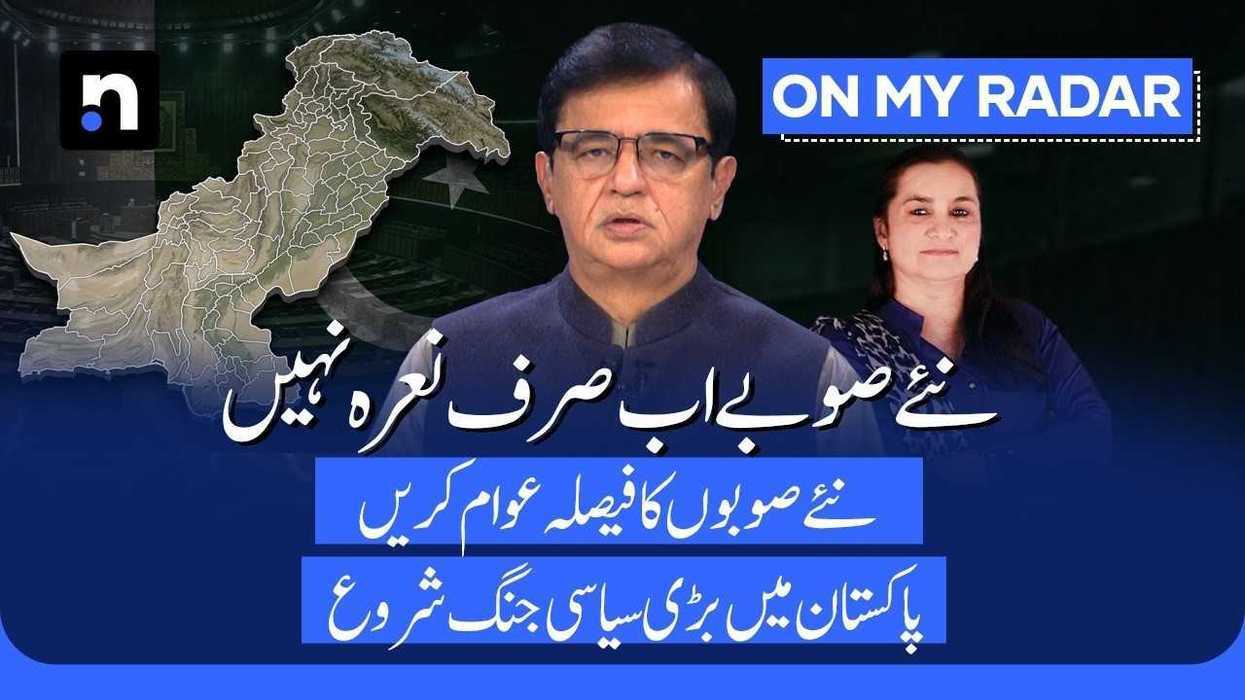
Pakistan’s government plans to bring the issue of creating new provinces and administrative units before both houses of Parliament in October, opening the way for a detailed debate on changes to the country’s administrative structure.
The proposed reforms would begin in Islamabad, where a new and more empowered governance model has been submitted to Prime Minister Shehbaz Sharif for consideration. The model could later serve as an example for other provinces, according to the latest episode of Kamran Khan’s On My Radar program.
The debate formally began July 30, when Interior Minister Mohsin Naqvi called for governance reforms and proposed creating new administrative units or provinces. The proposal faced its strongest opposition in Sindh, where the provincial assembly passed another resolution categorically rejecting any division of the province.
Naqvi, however, has shown no signs of backing down. He has said he will continue supporting the creation of new provinces whether or not he remains in power. In his view, the final decision should rest with the people rather than politicians or governments.
Federal Minister for Parliamentary Affairs Tariq Fazal Chaudhry also supported the idea during an earlier appearance on the program. He said the public were the true stakeholders in decisions about administrative units and suggested that a referendum conducted through social media could be an effective proposal.
A social media referendum alone, however, would not create a new province. Any change to provincial boundaries would still have to follow the prescribed constitutional process and pass through the required parliamentary stages.
The central test will be whether the debate goes beyond redrawing the map and produces meaningful changes that bring authority, resources and decision-making closer to the people.



Comments
See what people are discussing