Pakistan’s current account returned to surplus territory in November, posting a $100 million surplus compared with a $709 million surplus in the same month last year, according to central bank data released Wednesday.
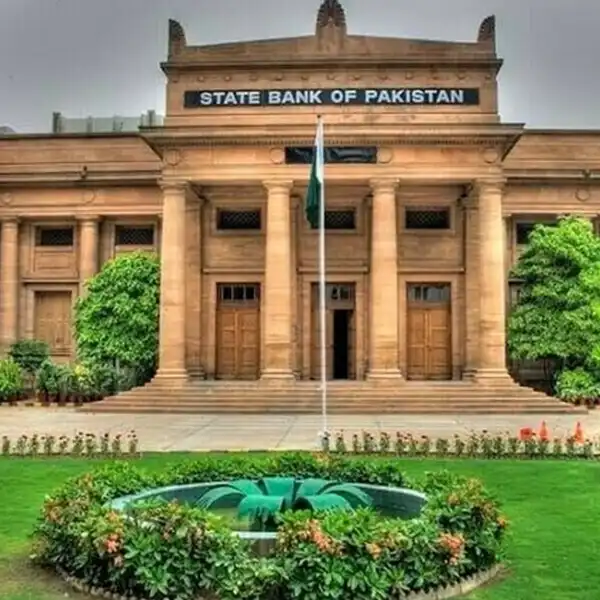
The State Bank of Pakistan said the improvement was largely driven by a decline in imports in November compared with October. The country had recorded a $291 million current account deficit in October.
For the first five months of the fiscal year ending Nov. 30, Pakistan posted a cumulative current account deficit of $812 million, reversing a $503 million surplus recorded during the same period a year earlier, the SBP said.
Remittances continued to be the main source of foreign inflows, averaging more than $3 billion a month for over a year. Officials are hopeful remittance inflows will reach $40 billion during the current fiscal year. In the year ended June 30, remittances totaled about $38 billion.
Economists caution that Pakistan’s external position remains vulnerable, with heavy import dependence and modest export performance continuing to shape the backdrop. As a result, periodic current account surpluses may prove fragile and do not yet signal a sustained turnaround.
Previous research has shown that remittances have historically helped narrow deficits and occasionally push the current account into surplus. However, analysts note that remittance inflows alone are insufficient to offset structural trade imbalances over the long term.
Policy impact under debate
Monetary and fiscal policy settings, including interest rate adjustments and conditions under Pakistan’s IMF program, are also influencing the external account, analysts said. Recent interest rate cuts reflect policymakers’ efforts to support economic growth while preserving external stability.
Some analysts warn that easing monetary conditions too quickly could weaken external buffers, particularly if export growth remains subdued and imports rebound alongside improving domestic activity.
The SBP has said it will continue to monitor external sector developments closely as global commodity prices, trade flows and financial conditions evolve.







Comments
See what people are discussing