

Pakistan proposes wheat price of PKR 4,500 per maund for 2027
Proposed PKR 1,000 increase aims to help farmers cover rising costs, encourage cultivation and strengthen domestic wheat production

Business Desk
The Business Desk tracks economic trends, market movements, and business developments, offering analysis of both local and global financial news.
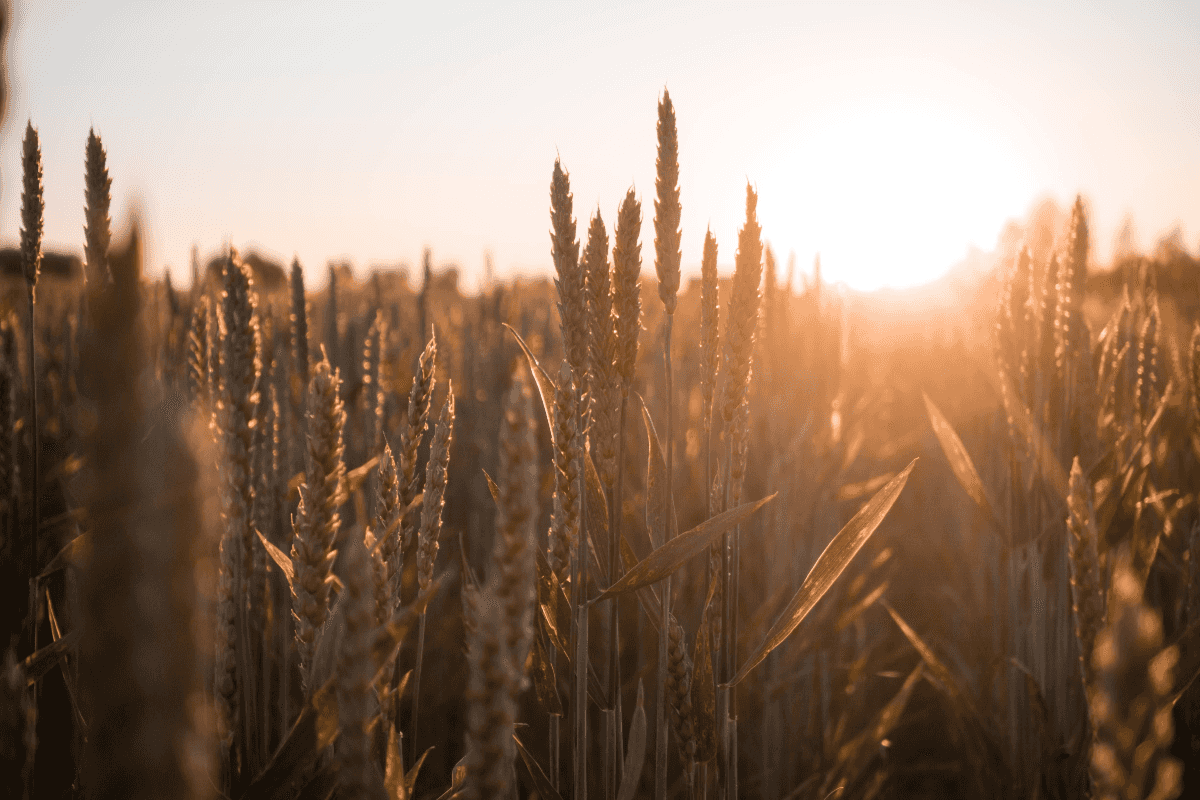
The government wants to encourage farmers to grow more wheat by offering a higher indicative price that reflects rising cultivation costs.
Pexels
Pakistan has proposed an indicative wheat price of PKR 4,500 per maund (40 kilograms) for 2027, up PKR 1,000 from last year's level, as the government seeks to encourage cultivation, protect farmers' incomes and strengthen food security.
Prime Minister Shehbaz Sharif said the proposed price was intended to provide relief to farmers facing higher production costs, rising petroleum prices and inflationary pressures.
The government expects the higher indicative price to help farmers recover cultivation costs and earn reasonable profits, encouraging them to expand wheat planting and increase domestic production during the next season.
Why is Pakistan proposing a higher wheat price?
The government wants to encourage farmers to grow more wheat by offering a higher indicative price that reflects rising cultivation costs. Increasing the price from PKR 3,500 to PKR 4,500 per maund is intended to improve farmers' returns, encourage additional planting and reduce Pakistan's reliance on imported wheat.
Sharif said Pakistan's agricultural sector had faced financial difficulties in recent years because of inflation and rising input costs.
The country had also been required to import wheat during the past two years, underscoring the need to strengthen domestic production, he said.
The prime minister emphasized that the proposed price was aimed at improving food security, supporting local wheat cultivation and bringing greater stability to the agricultural sector.
Provincial consultations shape wheat pricing
Sharif acknowledged the guidance of President Asif Ali Zardari and former prime minister Nawaz Sharif, along with consultations with the chief ministers of Punjab and Sindh.
He particularly thanked Punjab Chief Minister Maryam Nawaz for her cooperation and suggestions during the consultation process.
The prime minister also expressed appreciation for the support of Sindh Chief Minister Murad Ali Shah.
The government expects the higher indicative price to encourage farmers to allocate more land to wheat cultivation, potentially leading to a stronger sowing season and greater domestic output in 2027.
The proposal forms part of broader efforts to improve farmers' economic conditions, stabilize the agricultural sector and reduce dependence on imported wheat.





Comments
See what people are discussing