

Pakistan weighs energy alternatives after QatarEnergy declares force majeure on LNG
Analysts say a mix of coal, indigenous gas and fuel oil could buffer the impact, but warn prolonged disruption risks broader energy crisis

Business Desk
The Business Desk tracks economic trends, market movements, and business developments, offering analysis of both local and global financial news.
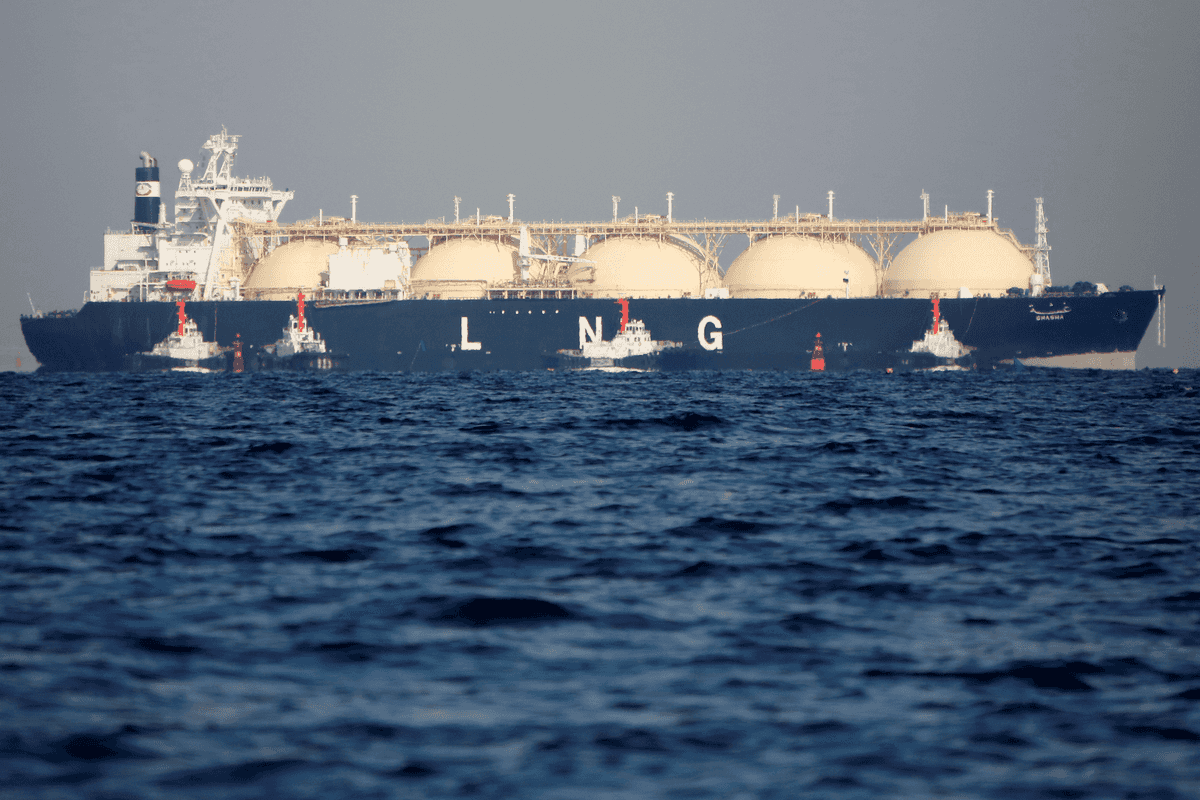
Pakistan is weighing curtailing gas supplies to fertilizer producers, increasing reliance on coal-fired power plants, boosting indigenous gas output, and ramping up fuel oil consumption to offset supply disruptions after QatarEnergy declared force majeure.
Pakistan meets roughly 30% of its natural gas demand through LNG imports, with this share increasing in recent quarters due to the mandatory upliftment of Qatar LNG cargoes at the expense of curtailed domestic production.
Earlier this week, Sui Northern Gas Pipelines Limited, the country's largest gas distributor, formally notified Agritech Limited of a "potential event of force majeure" declared by the LNG supplier, the urea producer said in a statement to the Pakistan Stock Exchange.
The company said the situation stems from ongoing regional conflict in the Middle East that has disrupted LNG production facilities and affected supplies to Pakistan. Sui Northern informed the company that RLNG supply to its fertilizer plant would be suspended effective March 4 until further notice. As a result, Agritech said its urea plant operations have been shut down.
The RLNG situation
Pakistan has two long-term liquefied natural gas contracts with Qatar under which nine to 10 cargoes are shipped each month. The contracts are priced at 13.37% and 10.2% of Brent crude slope for 15 years and 10 years, respectively. Pakistan imported about 110 cargoes from Qatar last year under take-or-pay arrangements that place liability on the buyer, according to analysts.
The disruption comes as Pakistan has already been reducing reliance on regasified LNG, or RLNG, for electricity generation because of falling demand and greater output from cheaper sources such as nuclear, coal, and hydel power. Electricity generation from RLNG plants in the seven months ended Jan. 31 fell 5% to 12,528 gigawatt-hours compared with the same period a year earlier, according to data from Optimus Capital Management, a Karachi-based brokerage firm.
The government has increasingly leaned on lower-cost generation. Electricity produced from coal costs about PKR 12.55 per unit, domestic gas PKR 12.74 per unit and nuclear PKR 2.23 per unit. By comparison, RLNG-based electricity costs about PKR 19.33 per unit, while fuel oil-fired generation is significantly higher at PKR 33.56 per unit.
Reduced gas availability
The immediate impact would be reduced gas availability, particularly for domestic consumers, and temporary halts in some non-critical production, said Nasheed Malik, head of research at Growth Securities.
Plants such as Agritech and one plant of Fatima Fertilizer Co. operate on RLNG. Manufacturers in Punjab using RLNG through the Sui Northern Gas Pipelines network, including glass producers and other industries, could also face production disruptions.
Pakistan's contracts with Qatar include take-or-pay liability, meaning the buyer carries the obligation, Malik said.
He noted that about 25% of Pakistan's imports consist of petrol, petroleum products, and RLNG, and that in fiscal year 2026, around 23% of imports were related to RLNG and gas. If volumes fall because of rising prices, the import bill could decline slightly. However, he said the overall outlook remains negative because prolonged disruption could trigger an energy crisis.
Citing data from the Oil and Gas Regulatory Authority and the Petroleum Ministry, Malik said Pakistan currently has about 28 days of oil supplies. Two LNG vessels that were scheduled to arrive have already been diverted, raising the risk of supply strain if the situation continues.
"With LNG imports expected to slow down amid the prevailing geopolitical situation, domestic gas production may see some improvement," said Muhammad Shahroz, deputy head of research at Insight Securities. However, he cautioned that any increase in local production is unlikely to fully meet the country's overall gas demand.
"In this scenario, gas shortages may emerge in coming weeks, particularly affecting the industrial sector, many of which rely on dedicated RLNG connections," Shahroz said. "This could disrupt industrial output and potentially dent exports. However, the negative impact on the trade side may be partially offset by lower RLNG import volumes, which would reduce the import bill."
Energy alternatives
Domestic gas production stood at around 2,687 million cubic feet per day for the week ended Feb. 28, according to a report released Wednesday by Optimus Capital Management.
Farhan Mehmood, head of research at Sherman Securities, said LNG supplies mainly serve the fertilizer and power sectors. If LNG cargoes from Qatar do not arrive, gas supply to the fertilizer sector would stop. However, fertilizer companies hold urea inventories sufficient to cover demand for two to three months, allowing the industry to continue operating for roughly that period, he said.
"In the power sector, coal power projects already exist, but they were not running because LNG was being used due to contractual commitments. If LNG is not available, power plants can run on coal and the cost is roughly similar, so the power sector may not face significant losses," Mehmood said.
He added that Pakistan has around 150 million to 200 million cubic feet per day of indigenous gas available in the system that could not previously be injected into pipelines due to pressure constraints. If LNG supplies decline, this local gas could be fed into the network, reducing the likelihood of an outright gas shortage. The greater concern, he said, is a potential spike in oil prices.
As another option, the government could increase electricity generation from fuel oil-fired units, though at a much higher cost of PKR 33.56 per unit.
Pakistani refineries have been exporting fuel oil because of reduced domestic demand from power plants, as the government has discouraged its use in recent years. Fuel oil exports totaled 846,000 metric tons in the seven months ended Jan. 31. In the fiscal year ended June 30, 2025, exports reached 1.3 million metric tons, according to data published by the Oil Companies Advisory Council, which compiles petroleum product consumption, import and export statistics.
"I don't believe it will have a great impact. If you recall, we had already rescheduled a few tankers as we had excess gas in the system," said Syed Fawad Basir, head of research at KTrade Securities. After cutting the number of shipments from nine to seven per month, if those cargoes do not arrive, the curtailment program on domestic producers will likely be lifted, with the remainder imported from Azerbaijan, he said.
"The contingency plan is in place, so from an energy perspective I don't think there will be any significant impact. However, potential impacts from higher oil prices will be reflected in a month or two in the form of higher current account deficit, higher inflation and a potential adverse impact on the exchange rate," Basir added.
New gas discovery
Oil and Gas Development Co., the biggest gas producer and operator at one of the fields in Pakistan, along with Pakistan Petroleum Ltd., which holds a 30% stake, announced a gas discovery of 11.2 million cubic feet per day.
Both companies disclosed the find in separate filings to the Pakistan Stock Exchange on Wednesday.
Analysts said a mix of gas curtailment to fertilizer producers, greater coal-fired generation, injection of indigenous gas and increased fuel oil use could help Pakistan manage the impact of QatarEnergy's force majeure. However, they warned that a prolonged disruption could heighten the risk of broader energy shortages and economic strain.





Comments
See what people are discussing