

Pakistan’s bank deposits rise 13% in October as lending continues to shrink
Investments jump 26% compared to last year while ADR drops to 37.8%

Haris Zamir
Business Editor
Experience of almost 33 years where started the journey of financial journalism from Business Recorder in 1992. From 2006 onwards attached with Television Media worked at Sun Tv, Dawn Tv, Geo Tv and Dunya Tv. During the period also worked as a stringer for Bloomberg for seven years and Dow Jones for five years. Also wrote articles for several highly acclaimed periodicals like the Newsline, Pakistan Gulf Economist and Money Matters (The News publications)
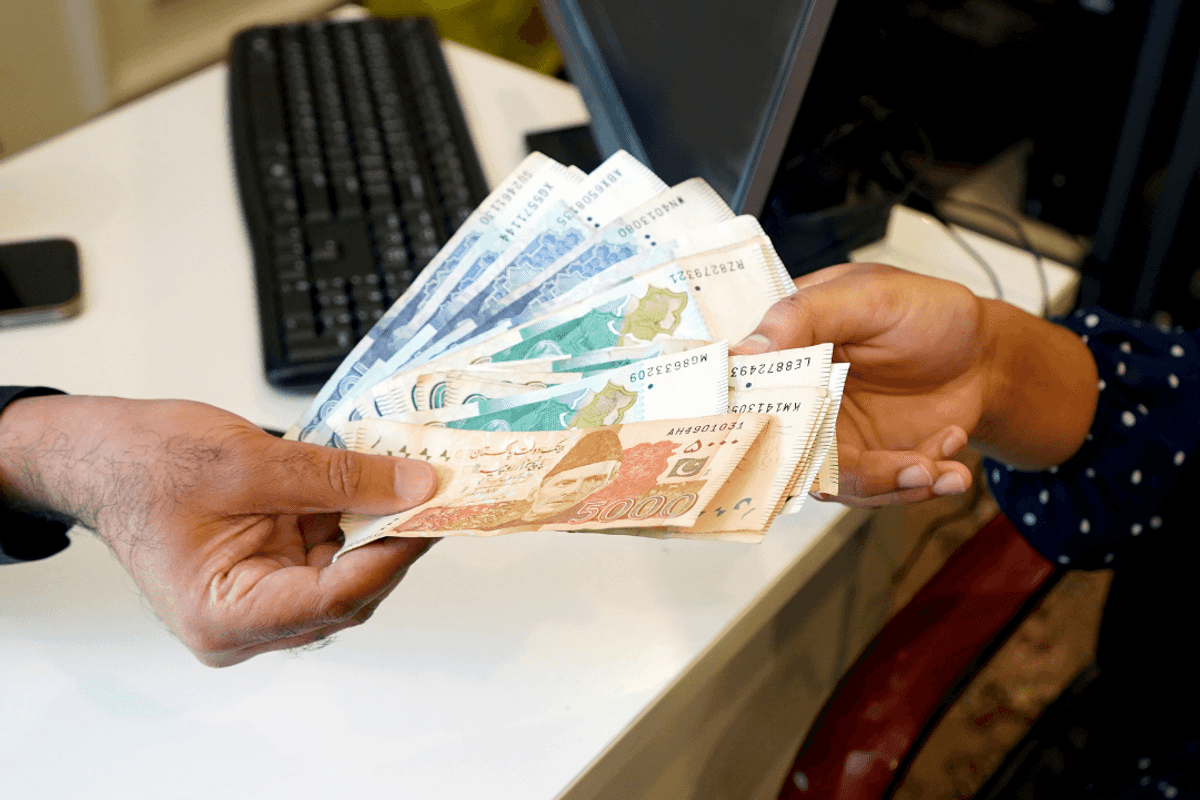
Shutterstock
Bank deposits in Pakistan climbed 13% year-on-year in October, rising to PKR 35,149 billion from PKR 31,116 billion a year earlier, even as they slipped 0.2% compared with September, according to provisional industry data shared with analysts.
The rise in deposits came alongside a surge in banks’ investment portfolios and a contraction in lending activity. Total bank investments jumped 26.3% YoY to PKR 36,547 billion, continuing the sector’s increased preference for government securities amid high yields and tepid private-sector credit appetite. Month-on-month, investments grew 2.0%.
Bank advances, however, continued to weaken. Lending fell 3.6% YoY and 1.3% MoM in October, reflecting sluggish demand and tighter credit standards as elevated borrowing costs weighed on corporate and consumer financing.
The sector recorded PKR 7 billion in provisions during October, down from PKR 12 billion in September, indicating some easing of asset-quality pressures but still highlighting cautious risk management by banks.
Meanwhile, the Advance-to-Deposit Ratio (ADR) declined sharply to 37.8% in October from 44.3% a year earlier, underscoring banks’ pivot away from lending toward safer government securities. ADR in September stood slightly higher at 38.2%.
Analysts say the deposit growth remains resilient despite monetary tightening and a slowing economy, suggesting households and corporates continue to park liquidity in the banking system. However, the simultaneous decline in advances signals persistent credit stagnation.
“The widening gap between deposits and lending highlights a structural shift,” said one Karachi-based banking analyst. “Banks are favoring government securities because they offer attractive risk-free returns, especially when economic uncertainty is high and private-sector credit demand remains subdued.”
The continued buildup in investments relative to advances is expected to support bank profitability in the near term, analysts note, though it raises concerns about the long-term impact on private-sector growth and credit deepening.
They add that provisions easing in October suggests no immediate deterioration in loan books, but the downward trend in ADR indicates the core banking function — lending — is still under pressure.
“Until business confidence returns and interest rates normalize, we expect the ADR to remain low and the investment-heavy balance sheet structure to persist,” the analyst said.





Comments
See what people are discussing