Is justice in Pakistan applied equally or selectively?
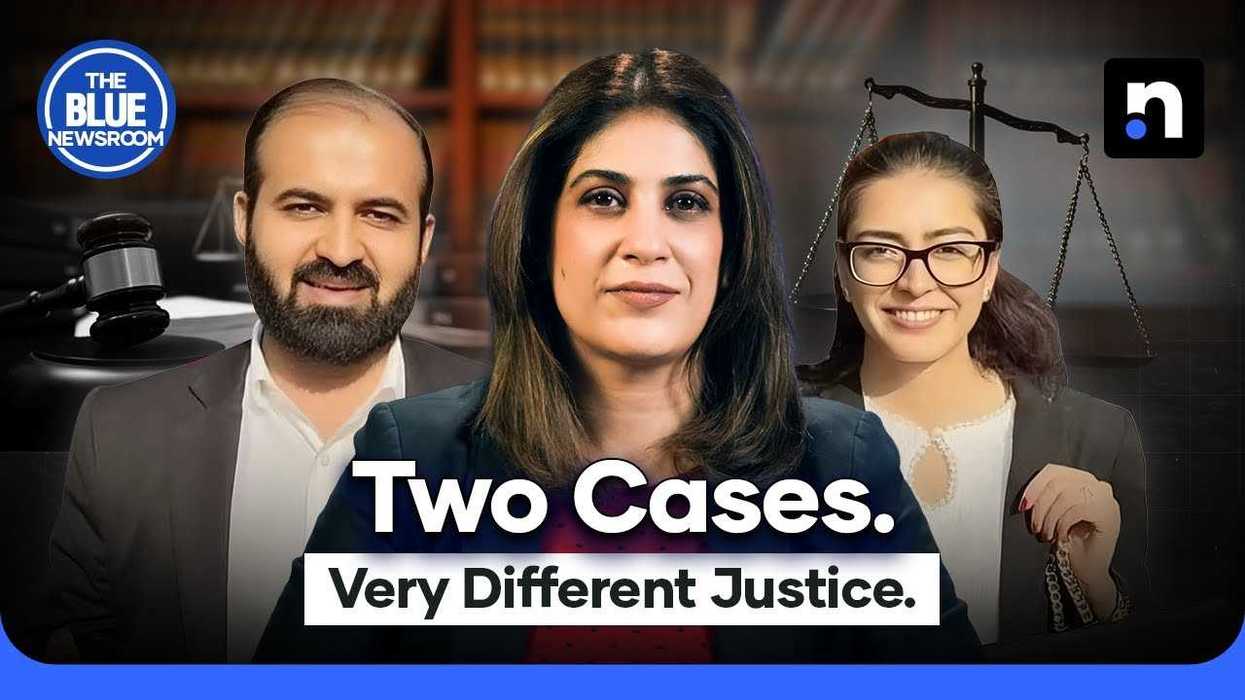
In today’s episode from the Blue Newsroom, we examine three stories shaking Pakistan’s legal, political, and cultural landscape.
From the forced displacement of 30,000 families in Tirah Valley amid freezing temperatures, to a deep legal dive into two controversial court cases — Muhammad Imran vs State and Imaan Mazari and Hadi Ali Chattha, this show asks uncomfortable but necessary questions.
Why was a rape conviction overturned despite DNA evidence, while social media posts led to 17-year prison sentences under PECA laws?
Does Pakistan’s justice system prioritize physical safety or silence digital dissent?
We also look at Punjab’s sudden moral crackdown: 132 songs banned from theatres in the name of “family entertainment.” Is this about ethics or something else?
This is not just news.
This is about legal proportionality, civil liberties, and who really pays the price.
Watch till the end and share your view:
Is justice equal or does it depend on who you are and what you say?







Comments
See what people are discussing