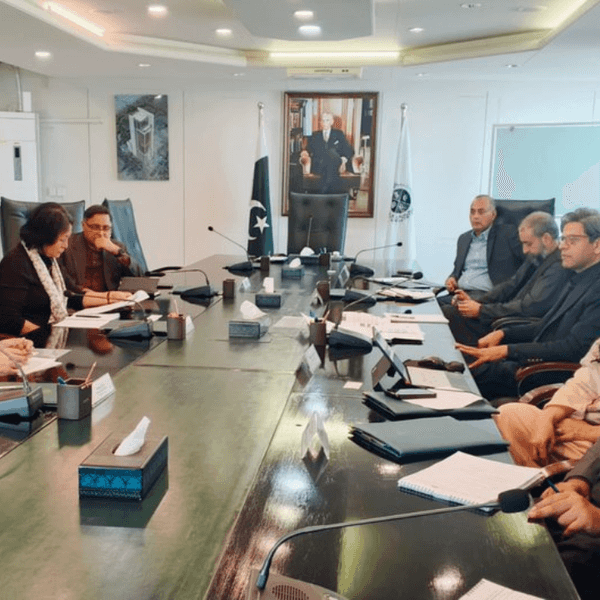
Pakistan’s Tax Policy Office (TPO), operating under the Ministry of Finance, has invited proposals from stakeholders for the federal budget for fiscal year 2026-27, marking the first budget exercise following the formal separation of tax policy formulation from the Federal Board of Revenue (FBR).
The move follows the issuance of a Strategy Paper on Taxation by Dr. Najeeb Memon, Director General of the Tax Policy Office, outlining a revamped framework for budget preparation. Officials say the restructuring represents a significant shift in the country’s fiscal governance, with tax policy now designed independently from revenue collection responsibilities.
According to the strategy paper, future taxation policies will prioritize long-term economic value, policy stability and growth-oriented reforms rather than short-term revenue generation. The new framework emphasizes broad-based stakeholder consultations aimed at ensuring equitable representation and avoiding excessive tax burdens on productive sectors of the economy.
Dr. Memon said taxation measures must be aligned with prevailing economic realities, including high energy tariffs, financing costs and the need to stimulate sustainable growth. He added that the upcoming budget will be a core element of the government’s long-term financial planning and must reflect national development priorities set out in policy initiatives such as Uraan Pakistan.
The strategy identifies export-led growth as a central objective, with a focus on improving competitiveness and attracting foreign direct investment. Other priority areas include the expansion of manufacturing and mining, promotion of information and communication technology for digital transformation, environmental sustainability, energy efficiency and social equity.
The document also underscores the importance of increasing women’s participation in the workforce and creating employment opportunities for youth.
Stakeholders have been invited to submit tax-related proposals using a prescribed format, particularly those addressing inefficiencies, inequities and complexities in existing tax laws. The deadline for submissions is Jan. 30.
The Tax Policy Office said all proposals will be reviewed for possible inclusion in the federal budget for 2026-27.
The priorities articulated in Uraan Pakistan and policy documents of the government emphasize the following
- Exports-led growth by enhancing competitiveness, attracting foreign direct investment, and streamlining trade
- Enlarging manufacturing base by promoting industrialization, including mining, with a focus on local inputs, technology adoption, and value addition
- Promoting ICT at all levels and for all actors for digital transformation of economy through cashless transactions and growth in IT exports
- Ensuring resource security (water, food, energy) and advancing green solutions
- Developing efficient, affordable, and environmentally friendly energy infrastructure to reduce reliance on fossil fuels
- Promoting social justice, increasing women's workforce participation, and reducing youth unemployment.





Comments
See what people are discussing