

Palestinian president postpones legislative elections, setting simultaneous polls for September 2027
Palestinian President Mahmoud Abbas issued a presidential decree postponing the parliamentary elections scheduled for November 28, combining them with the presidential vote now set for September 11, 2027, citing Israeli restrictions and ongoing security challenges across Gaza and the West Bank

News Desk
The News Desk provides timely and factual coverage of national and international events, with an emphasis on accuracy and clarity.
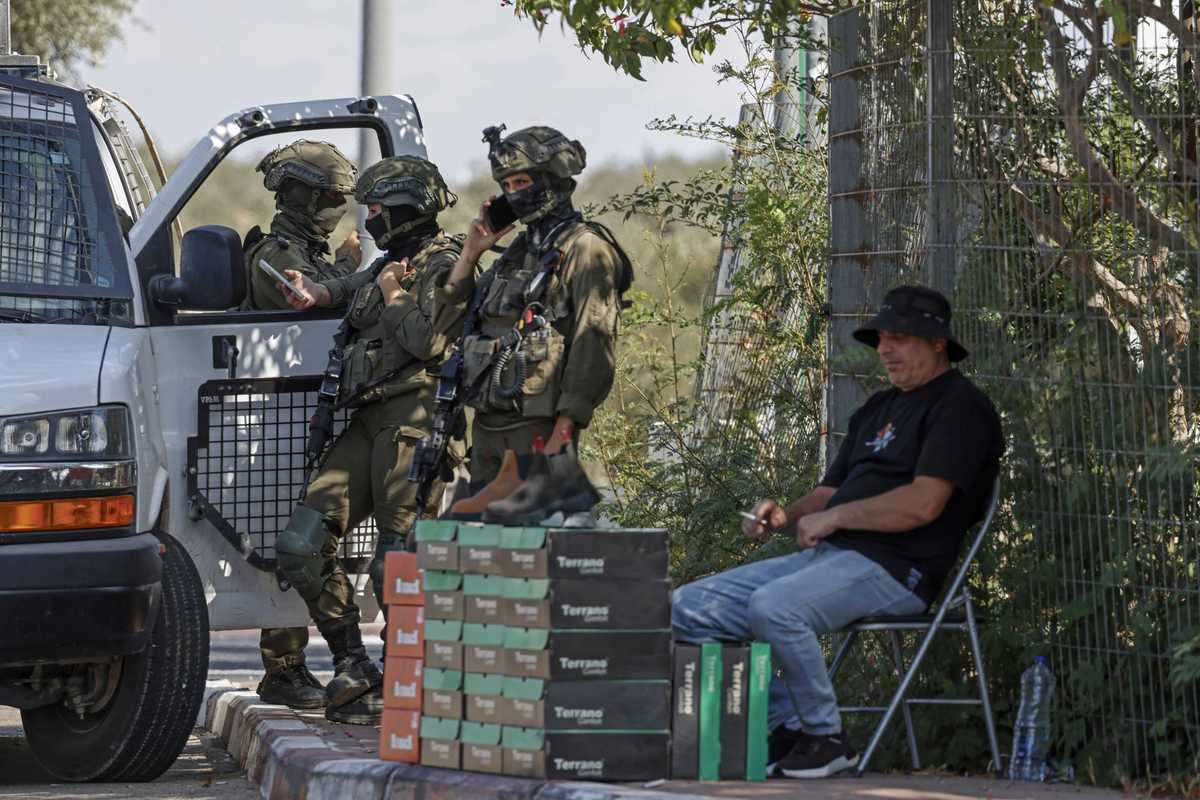
Israeli soldiers stand next to a Palestinian vendor selling goods along the roadside in the village of Rantes near Ramallah, in the Israeli-occupied West Bank on October 6, 2026.
AFP
Palestinian President Mahmoud Abbas issued a decree on Saturday, postponing national legislative elections previously scheduled for November 28 and establishing a new date for simultaneous parliamentary and presidential elections on September 11.
What reasons were given for delaying the Palestinian elections?
The decree, published by the official Palestinian news agency WAFA, attributed the postponement to persistent security and field obstacles created by Israeli measures across the occupied territories.
Ramallah officials emphasized that Israeli authorities refused to permit Palestinian election officials to set up voting infrastructure in occupied East Jerusalem or coordinate electoral logistics in the Gaza Strip amidst ongoing military operations and displacement.
The decision followed consultations held in Cairo earlier in the week, where the Executive Committee of the Palestine Liberation Organization and major political factions—including Abbas's Fatah party and Hamas—agreed to recommend delaying the vote.
Palestinian Authority officials said it must establish proper political, security, and administrative conditions to hold inclusive elections across Jerusalem, the West Bank, and Gaza.
How have Israeli officials, rival factions, and citizens reacted?
The postponement drew swift criticism from political opponents and foreign government officials. Israeli Foreign Minister Gideon Sa'ar rejected allegations of Israeli obstruction, accusing Abbas of manufacturing excuses to evade democratic accountability and avoid an election.
Mohammed Dahlan, leader of a Fatah reform faction based in the United Arab Emirates, called the delay a crime against democracy, asserting that the Palestinian Authority's leadership continues to bypass public mandate.
The announcement renewed frustration among citizens in Gaza and the West Bank, who have lacked parliamentary representation since the 2006 legislative elections.
Following Hamas's 2006 electoral victory and the subsequent factional conflict that split governance between Gaza and Ramallah, the Palestinian Legislative Council ceased functioning. Abbas, who won the presidency in 2005 for a four-year term, has since governed by executive decree.
According to The National, international observers and civil society organizations maintain that electoral rebooting remains a crucial prerequisite for broader political reform and stability across the Palestinian territories.



Comments
See what people are discussing