


News Desk
The News Desk provides timely and factual coverage of national and international events, with an emphasis on accuracy and clarity.
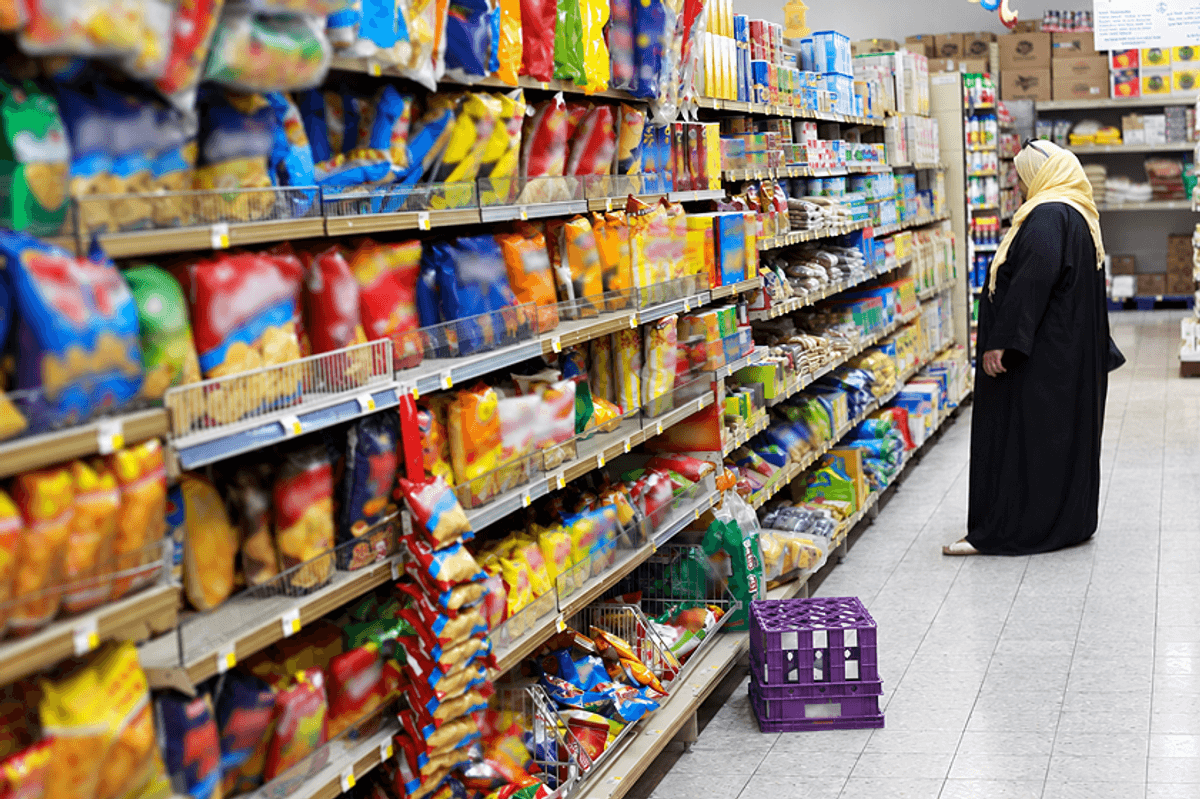
Non-compliant food establishments could face warnings or fines of Dh5,000–Dh500,000.
Reuters/File
The UAE has begun enforcing new sodium, sugar and fat limits on selected packaged foods, Khaleej Times reported.
The Ministry of Health and Prevention says the rules aim to improve nutrition and reduce obesity and other noncommunicable diseases.
What are the new UAE sodium, sugar and fat limits?
The resolution sets phased caps on sodium, processed sugar and fat in bread, sweetened milk drinks, flavored yogurt, laban, salty snacks and processed cheese. Limits fall in two stages, with final targets due by December 31, 2030. The rules cover locally made and imported products.
Which foods and businesses does the resolution cover?
The rules apply to specified packaged foods made locally or imported into the UAE. This includes products handled by companies in free zones. The Ministry said the resolution creates a national framework to gradually cut these ingredients and support more balanced food choices.
The rules cover every stage of the food chain. These include production, manufacturing, preparation, processing, packaging, transport, import, storage, distribution, serving, display and sale.
Products made or imported only for export are exempt. The exemption does not apply if they are traded within the UAE.
What are the limits for bread and milk drinks?
The targeted foods fall into two groups with different initial compliance periods. The first covers bread, sweetened milk drinks, flavored yogurt and laban, and specified salty snacks. The second covers processed cheese.
For leavened bread, the first-phase limit is 444mg of sodium, 6g of total sugars and 8.4g of total fat per 100g. In the final phase, these will drop to 370mg, 5g and 7g.
For flat bread, the first-phase limits are 384mg of sodium, 6g of total sugars and 8.4g of total fat. The final limits are 320mg, 5g and 7g.
Sweetened milk drinks, including milk alternatives, will have a total sugar cap of 9.6g in the first phase. It will fall to 8g in the final phase. For sweetened or flavored yogurt and laban, the limits are 12g and 10g.
What are the sodium limits for snacks and processed cheese?
The resolution also targets high-salt snacks. Sodium limits will change as follows:
- Salted crackers: from 696mg to 580mg
- Salted nuts and seeds: from 336mg to 280mg
- Pretzels: from 912mg to 760mg
- Extruded snacks and chips made from potatoes, sweet potatoes, vegetables or grains: from 564mg to 470mg
Processed cheese is the second group. Spreadable cheese will have a sodium limit of 864mg in the first phase and 720mg in the final phase. Other processed cheeses will drop from 1,200mg to 1,000mg.
When must companies comply with the new UAE food limits?
Businesses handling first-group products have up to nine months from the date the resolution takes effect to meet first-phase limits. They must reach the final limits by December 31, 2030.
Those handling processed cheese have up to two years and three months to meet first-phase limits. They must also reach the final limits by December 31, 2030.
Targeted products made or imported before the resolution takes effect can still be sold for up to one year, or until they expire, whichever comes first. After that, products that miss the limits cannot be traded.
Can businesses get an exception to the first-phase limits?
Businesses can seek an exception if compliance would require cutting a targeted ingredient by more than 20 percent of its established level in a product. The exception applies to products made, imported or traded in the UAE before the resolution takes effect.
Applications must reach the Ministry within 30 days of that date. They must include technical data, registered nutrition-label information and test results from an accredited laboratory.
Applicants must commit to cutting the ingredient by at least 20 percent within the first-phase period. An exception does not waive the final limits. It also cannot extend the December 31, 2030 deadline.
What are the penalties for violating the UAE food limits?
Food establishments that fail to comply could face penalties ranging from a warning to fines between Dh5,000 and Dh500,000. Authorities may also close a violating establishment for up to six months, with the closure renewable.
They may also cancel its license or approval in coordination with the relevant licensing authority.
Federal and local health authorities and other relevant bodies will implement the rules and monitor compliance, in coordination with the Ministry.




Comments
See what people are discussing