


News Desk
The News Desk provides timely and factual coverage of national and international events, with an emphasis on accuracy and clarity.
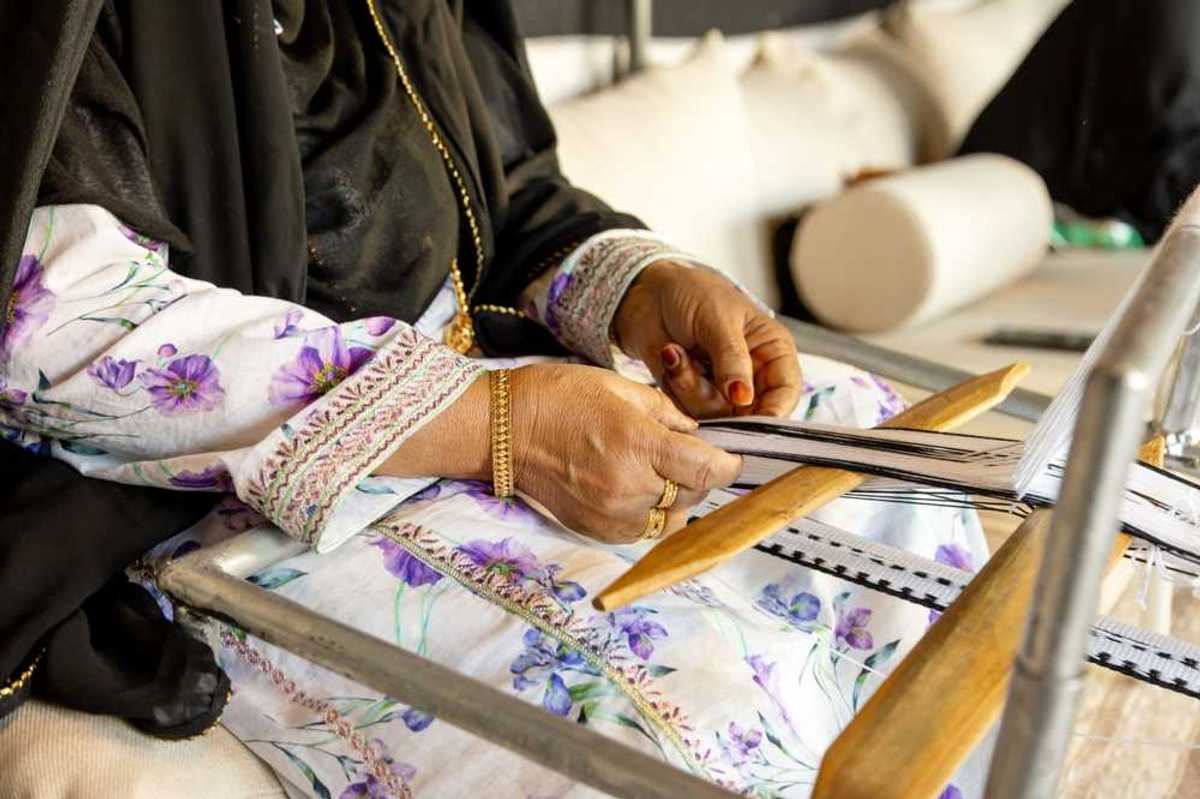
Naseej is a national platform designed to move the UAE's textile sector away from linear consumption and disposal toward an integrated circular model.
Shutterstock
The UAE has launched Naseej, a national initiative targeting 220,000 tons of annual textile waste through recycling, policy reform and circular economy principles.
The United Arab Emirates has launched Naseej, a national initiative to transition the textile sector toward a circular economy, the state-run Emirates News Agency (WAM) reported. Established under the directives of President Sheikh Mohamed bin Zayed Al Nahyan, the initiative brings together the National Projects Office, the Ministry of Economy and Tourism, Emirates Foundation and Tadweer Group.
What is the Naseej textile circular economy initiative in the UAE?
Naseej is a national platform designed to move the UAE's textile sector away from linear consumption and disposal toward an integrated circular model. It coordinates policy, industry action, research and public engagement across the textile value chain. The initiative targets an estimated 220,000 tonnes of annual textile waste generated in the UAE each year.
Why did the UAE launch a national textile waste initiative?
Textile waste is a growing challenge globally and within the UAE. WAM reported that annual textile waste volumes in the country are estimated at around 220,000 tonnes, placing pressure on existing waste and recycling systems. Naseej aims to address this through a national framework that strengthens collection and recycling infrastructure, advances research and promotes conscious consumption.
Economy and Tourism Minister Abdulla bin Touq Al Marri said Naseej would link policy, industry action and public participation within a single organised system. He said the initiative would shift textile circularity efforts away from fragmented voluntary activities toward a structured national approach. The goal is to support the UAE Circular Economy Policy 2031.
What are the five pillars of the Naseej initiative?
The initiative is built around five strategic pillars: collection and recycling; awareness and outreach; behavioral research; policies and regulations; and circular business and innovation. Planning for Naseej began during COP28, with support from the National Projects Office within the Presidential Court. It later expanded through memorandums of understanding with fashion brands, manufacturers, recycling operators, research institutions and community organisations.
Sheikha Mariam bint Mohamed bin Zayed Al Nahyan, deputy chairperson of the Presidential Court for National Projects, said Naseej reflects the UAE's commitment to sustainability and aims to encourage responsible resource use and community participation. Sheikh Theyab bin Mohamed bin Zayed Al Nahyan, chairman of the Emirates Foundation, said the initiative embeds circular economy principles within the UAE's sustainable development model. He added that it brings together institutions, industry, youth and communities under one framework.
When and where is Naseej's first public event?
Naseej will host its first community activation event, "The Fabric of Possibility," from June 5 to 7, 2026, at Yas Mall in Abu Dhabi. The event will invite individuals and families to explore the impact of textile waste and discover sustainable solutions. Future phases are expected to expand the initiative to other regions of the UAE.
Following the launch, Naseej plans to introduce national programs supporting sustainable textile practices, stronger recycling infrastructure and market development research. WAM said the initiative draws on the UAE's heritage of craftsmanship and resourcefulness while integrating circular economy principles into daily practices. The initiative is intended to align government policy, industry participation and community engagement within a single national system.





Comments
See what people are discussing