


News Desk
The News Desk provides timely and factual coverage of national and international events, with an emphasis on accuracy and clarity.
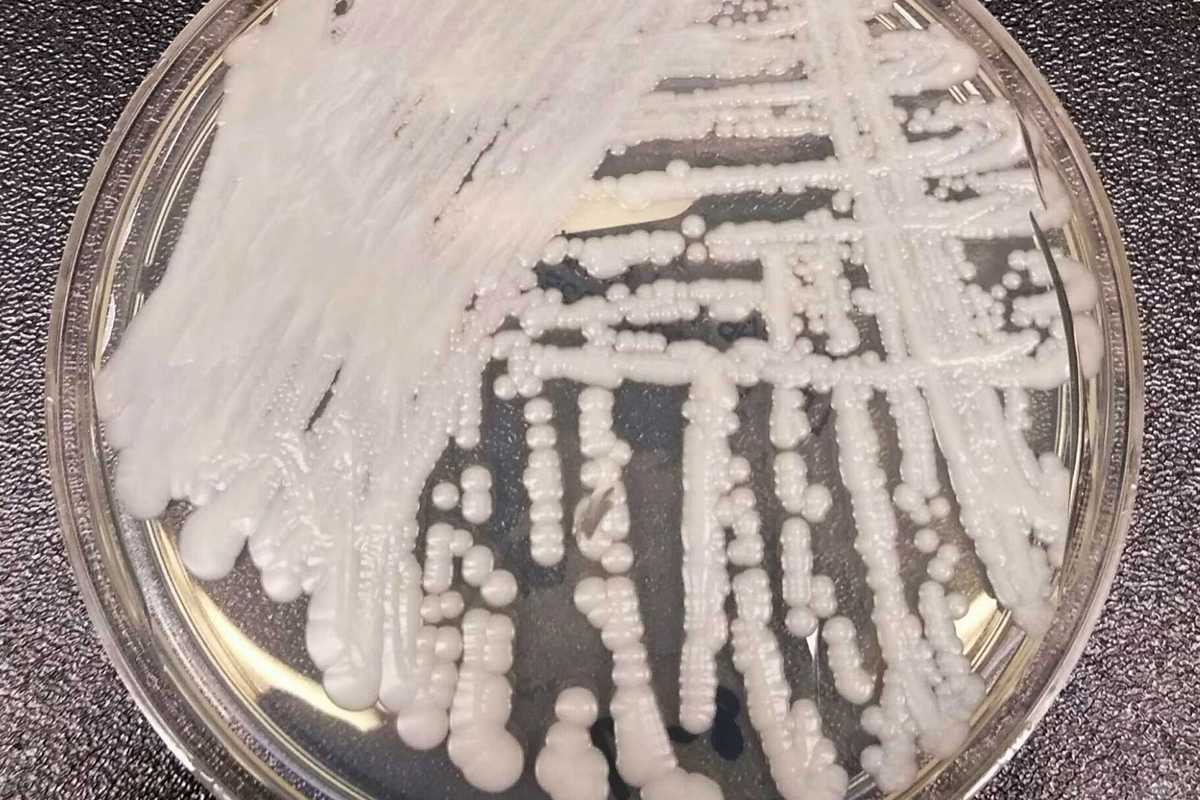
Researchers isolated Candida auris directly from the wastewater and confirmed its identity in the lab, rather than simply detecting its genetic traces.
Reuters
Abu Dhabi researchers have detected Candida auris Clade VI, a rare antifungal-resistant fungus, in the emirate’s wastewater, Khaleej Times reported. The Reference and Surveillance Intelligence Department (Rasid) at the Central Testing Laboratory of the Abu Dhabi Quality and Conformity Council led the work with M42. The find came through the emirate’s early surveillance system.
What is Candida auris Clade VI?
Clade VI is a recently identified, rare genetic clade of Candida auris, a fungal pathogen that can develop resistance to multiple antifungal agents. The World Health Organization places the fungus in its Critical Priority Group. The study reported the first known regional detection of Clade VI through wastewater surveillance, based on data available at the time.
How did researchers find Candida auris in Abu Dhabi wastewater?
The study was based on more than 23,000 wastewater samples collected systematically. Researchers isolated the fungus directly from the wastewater and confirmed its identity in the lab. They did not simply detect its genetic traces.
The methods included identifying the isolates and whole genome sequencing. The team also ran genomic and phylogenetic analysis to classify the clades. It added antifungal susceptibility testing and looked for genetic markers linked to resistance.
The study was published in Communications Medicine, part of Nature Portfolio.
What did the analyses show about antifungal resistance?
The analyses identified several genetic clades of the fungus, including Clade VI. They also revealed genetic markers and varying patterns tied to resistance to certain antifungal agents.
Candida auris has drawn global attention because it can develop resistance to multiple antifungal agents. It is also hard to control in some healthcare settings.
What did the researchers say about the findings?
Samara Bin Salem, director of Rasid, said the value of the work lies in what environmental surveillance can capture. It picks up emerging health indicators and drug resistance patterns. It then turns them into information that can be studied and assessed.
She said combining lab isolation, sequencing and susceptibility testing allowed a more precise understanding of Clade VI. Bin Salem added that Rasid aims to build a scientific sensing system. It would go beyond identifying what is in samples to understanding population-level changes and emerging risks.
Dr. Bhuvanesh Shanmugam, a principal researcher and senior microbiologist and laboratory manager at M42, said the finding adds to knowledge of the fungus’s genetic diversity. It also shows the fungus is present beyond clinical settings. He said pairing genomic data with susceptibility testing gives deeper insight into resistance and supports monitoring of changes that may matter in the future.
Dr. Grzegorz Brudecki, a researcher and associate director of environmental sciences at M42, said continuous surveillance helps spot changes, trends and unusual signals over time. It also helps separate expected patterns from those needing further analysis.
Sumaya Al Mansoori, a principal researcher, said combining sample collection, surveillance, fungal isolation, sequencing and susceptibility testing allowed more precise classification of the isolates and their resistance patterns.
Why does wastewater surveillance matter for Candida auris?
The findings position wastewater surveillance as a complement to health and clinical surveillance. It can monitor pathogens and antimicrobial resistance indicators, including antifungal resistance. This supports preparedness and a proactive response.





Comments
See what people are discussing