

LPG marketers warn of 30% price hike, threaten nationwide strike from November 16
Industry representatives oppose a proposed import-based LPG pricing formula, warning that it could make locally produced gas more expensive and undermine private-sector competition

Business Desk
The Business Desk tracks economic trends, market movements, and business developments, offering analysis of both local and global financial news.
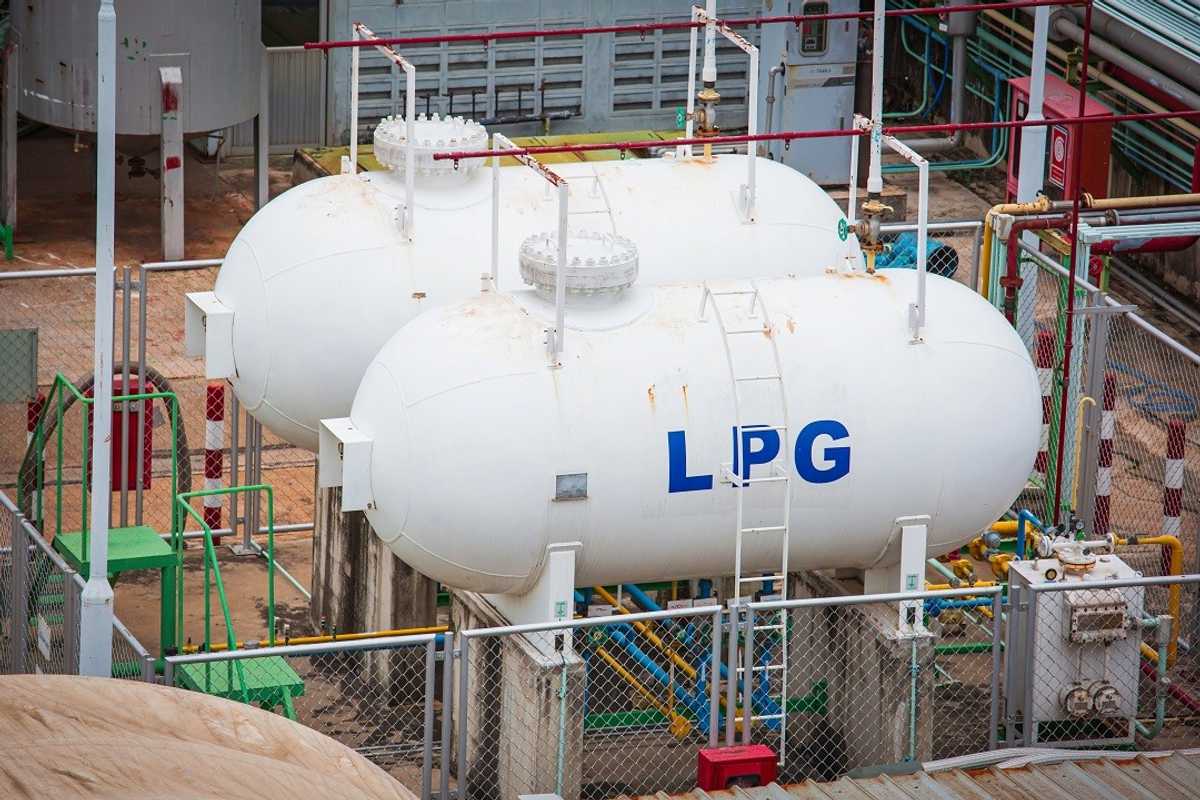
Pakistan's liquefied petroleum gas (LPG) marketers have warned that a proposed government pricing mechanism could increase LPG prices by 25% to 30%, threatening a nationwide strike from November 16 if their concerns are not addressed.
The Pakistan LPG Marketers Association has opposed the proposal to link domestic LPG prices to the import costs of state-owned companies, arguing that it ignores cheaper supplies entering the country through land borders and could increase costs for consumers.
Why are LPG marketers opposing the new pricing formula?
The proposal would use the landed cost of LPG imported by state-owned companies, including freight, insurance and terminal charges, to establish a pricing benchmark. Industry representatives argue that this would push up prices for locally produced and overland-supplied gas, even though seaborne imports account for a relatively small share of total supply.
Mohmmad Ali Haider, senior vice chairman of the Pakistan LPG Marketers Association, told Nukta that implementing the formula could push LPG prices up by 25% to 30%.
He argued that procurement costs incurred by Pakistan State Oil (PSO) and SSGC LPG Limited should not determine prices for the entire market, particularly when private importers and suppliers operating through land borders face different costs.
According to Haider, Pakistan consumes around 2.2 million to 2.3 million metric tons of LPG annually, with approximately 1.2 million tons entering through land borders and around 200,000 to 225,000 tons arriving by sea.
Haider said the proposal failed to adequately account for private-sector imports and border trade, despite their substantial contribution to domestic supplies.
He also told Nukta that around 70,000 to 80,000 tons of LPG could enter Pakistan once border crossings reopened, potentially easing supply pressures and reducing prices.
How would the proposed LPG subsidy fund work?
The Petroleum Division's proposed mechanism would establish a Producer-Price Differential Fund to finance targeted subsidies for vulnerable consumers identified through the Benazir Income Support Programme (BISP).
Under the proposal, locally produced LPG would be sold using an import-linked pricing benchmark, while producers would receive a specified producer price. The difference would be deposited into a dedicated public fund to support eligible consumers.
In his comments to Nukta, Haider questioned whether the proposed arrangement would deliver meaningful relief, citing the petroleum levy imposed on locally produced LPG under the 2016 policy.
He said the earlier policy introduced a levy of PKR 4,669 per metric ton to support public-sector LPG imports and consumer subsidies during periods of high prices or supply disruptions.
According to Haider, billions of rupees had been collected through the levy without providing the intended relief to consumers. He questioned how the government would ensure that money collected under the proposed new fund would reach eligible households.
What is the status of the proposed LPG policy?
The Petroleum Division circulated a proposal on October 27 to revise LPG pricing and give state-owned companies a larger role in imports and determining price benchmarks.
The proposed changes would reduce the Oil and Gas Regulatory Authority's (OGRA) role in setting monthly LPG prices and link the domestic benchmark more closely to actual import costs.
However, Prime Minister Shehbaz Sharif has formed an eight-member ministerial committee to review the proposed reforms following objections from industry stakeholders. The committee has been given one month to submit its recommendations.
Meanwhile, OGRA notified an increase in the official LPG price for November to approximately PKR 294.08 per kilogram, bringing the price of an 11.8-kilogram domestic cylinder to PKR 3,470.09.
During his press conference, Haider warned that LPG marketers could suspend sales and related business activities nationwide from November 16 if the government fails to address their concerns and include private-sector representatives in consultations.
He called for a pricing framework that reflects different sources of LPG supply and preserves competition, rather than relying primarily on the procurement costs of state-owned companies.




Comments
See what people are discussing