

Cheap living but empty pockets: Pakistan’s real economic struggle
2026 data shows cities are cheap by global standards, but salaries buy far less

Hammad Qureshi
Senior Producer / Correspondent
A business journalist with 18 years of experience, holding an MS in Finance from KU and a Google-certified Data Analyst. Expert in producing insightful business news content, combining financial knowledge with data-driven analysis.
AFP/File
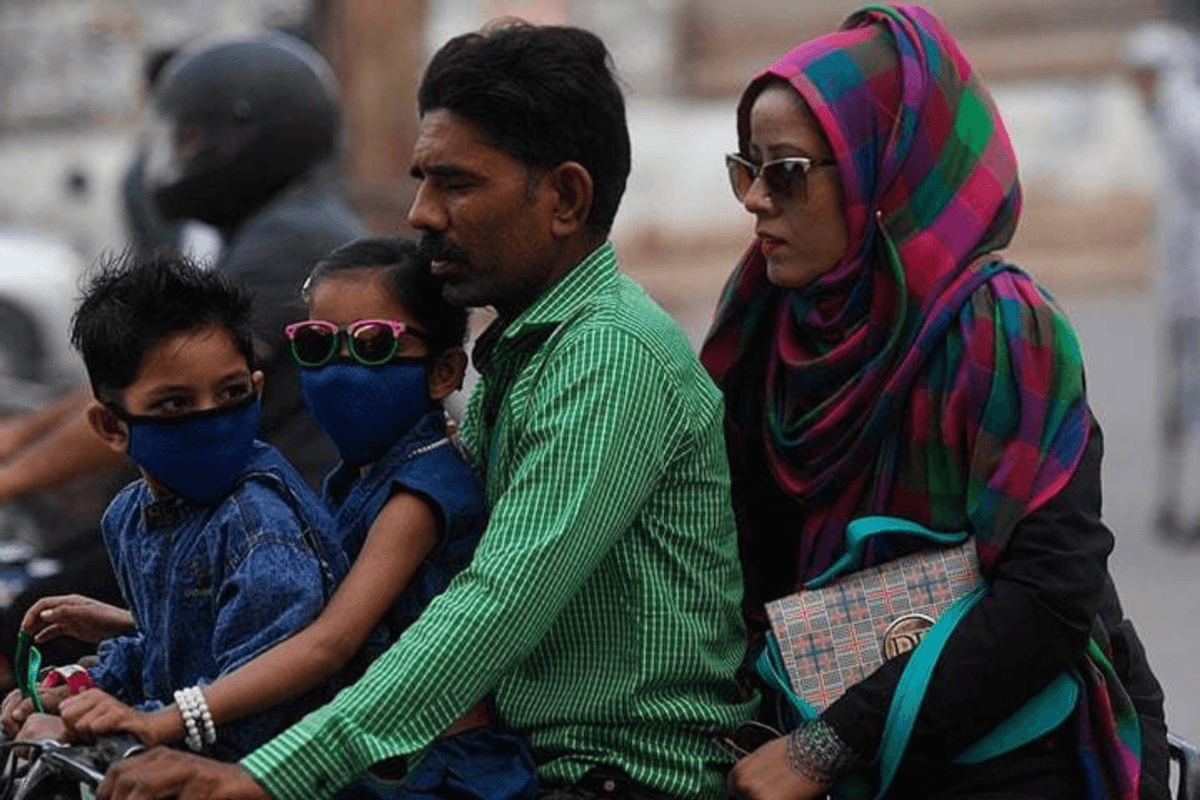
The latest 2026 cost-of-living data highlights a stark paradox for Pakistan: its major cities are among the cheapest places to live in the world, yet local salaries stretch far less than in most global regions.
The findings are based on 2026 index data comparing Islamabad, Karachi, Rawalpindi and Lahore with New York City, which serves as the benchmark with an index value of 100.
Under this system, an index of 20 means prices are 80% lower than in New York. An index of 100 indicates the same cost level.
By that measure, Islamabad emerges as Pakistan’s most expensive city across nearly all categories, with a general cost-of-living index of 22.8 and a rent index of 5.8. Lahore is the most affordable major city overall, with a general cost-of-living index of 20.3, and shares the lowest rent index with Karachi at 3.6.
Despite low prices, the data shows Pakistan performs poorly on local purchasing power — a measure of how much an average salary can actually buy. The Local Purchasing Power Index reflects how many goods and services residents can afford relative to New York.
An index of 50 means a person earning an average local salary can buy about half as much as someone in New York. An index of 150 means they can afford 50% more.
Among the four Pakistani cities tracked, Islamabad ranks highest on purchasing power, but all remain far below global standards, highlighting a significant income gap.
From a global perspective, Pakistani cities remain some of the least expensive places to live. But the divide between Pakistan and wealthier global hubs is wide. While prices for essentials such as food and rent are low, local incomes sharply limit what households can afford.
The 2026 data suggests Pakistan’s challenge is not the cost of bread or housing, but the value of the local pay cheque. Low prices have not translated into strong purchasing power for most residents.
In absolute terms, Pakistan is cheap. In practical terms, its residents remain among the least able to convert low prices into a higher standard of living.


Comments
See what people are discussing