

China launches anti-dumping probe into EU chemical imports days before high-stakes Beijing trade talks
China's Ministry of Commerce initiated an anti-dumping investigation into imports of p-nitrotoluene from the European Union, signaling escalating trade friction ahead of critical negotiations between EU Trade Commissioner Maroš Šefčovič and Chinese Commerce Minister Wang Wentao

News Desk
The News Desk provides timely and factual coverage of national and international events, with an emphasis on accuracy and clarity.
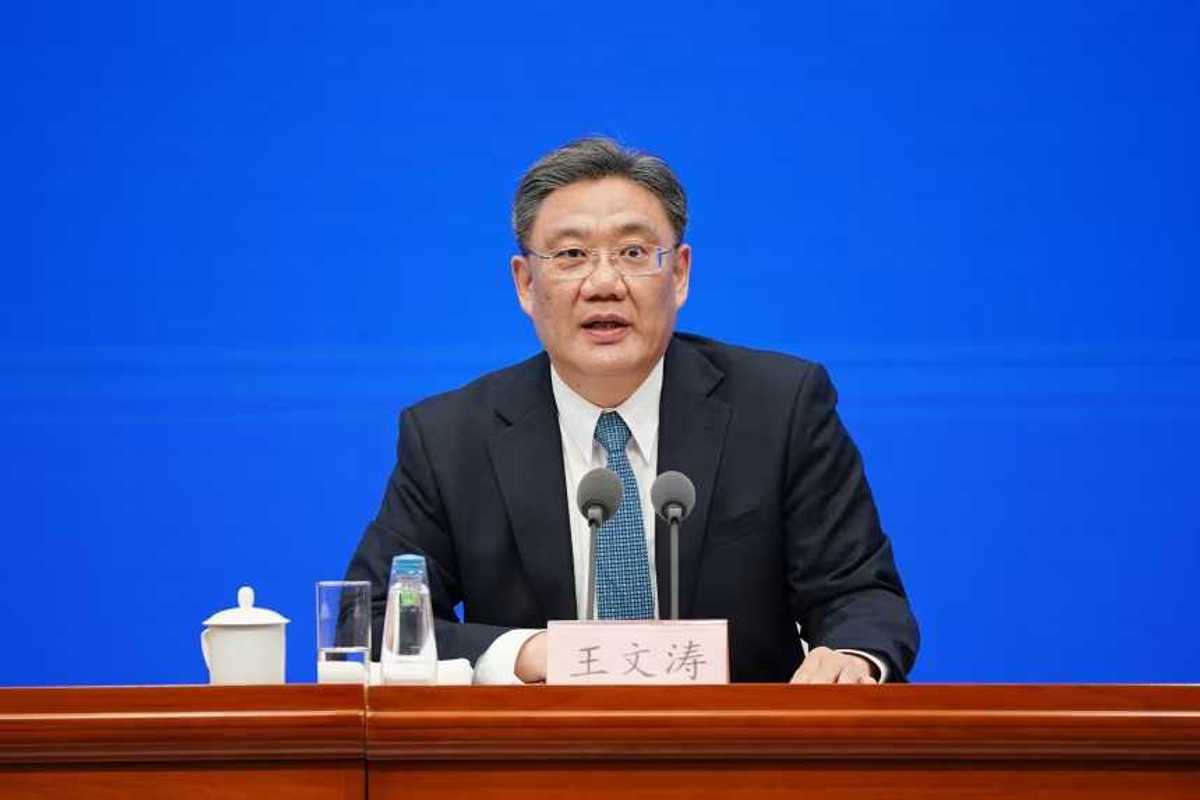
China's Minister of Commerce Wang Wentao attends a news conference on February 24, 2021 in Beijing, China.
AFP
China launched an anti-dumping investigation on Saturday, October 3, 2026, into imports of a key industrial chemical from the European Union, escalating trade tensions less than a week before the bloc’s top trade official arrives in Beijing for high-level negotiations.
What led to China's anti-dumping probe into EU p-nitrotoluene imports?
The investigation by China's Ministry of Commerce targets imports of p-nitrotoluene (also known as 4-nitrotoluene), a primary intermediate chemical widely used in the manufacturing of dyes, pigments, pharmaceuticals, and agricultural pesticides.
According to ministry statements, the inquiry was triggered by formal petitions submitted by domestic producers—including Jiangsu Huaihe Chemical Co., Ltd. and Hubei Dongfang Chemical Co., Ltd.—who allege that low-priced European imports have severely disrupted local market operations and eroded domestic profit margins.
Preliminary evidence submitted by the petitioners indicates that import volumes of European p-nitrotoluene remained elevated between 2022 and 2025, during which cumulative prices dropped by nearly 60 percent. The ministry noted that the investigation will evaluate dumping margins over the 12 months ending June 30, 2026, and injury to domestic industry over a four-year window. The probe is scheduled to conclude within 12 months, with a possible six-month extension under special circumstances.
How does the chemical probe affect upcoming EU-China trade negotiations?
The timing of the announcement adds diplomatic pressure ahead of critical bilateral trade discussions scheduled for October 8–9 in Beijing between European Union Trade Commissioner Maroš Šefčovič and Chinese Commerce Minister Wang Wentao:
- Tit-for-Tat Regulatory Actions: The chemical probe follows an EU investigation launched in September into Chinese imports of polyvinyl chloride (PVC), alongside broader European probes examining state subsidies in green technology, electric vehicles, and industrial goods.
- Concerns Over Protectionist Tools: Beijing has repeatedly warned Brussels against adopting broad, sector-wide trade defense mechanisms modeled after US Section 301 tariffs, warning that unilateral restrictions threaten global supply chain stability.
- Push for Diplomatic Resolution: A ministry spokesperson reiterated that China seeks to resolve trade disagreements through dialogue, urging European leadership to "face its own economic and trade problems directly and resolve mutual concerns through consultation".
According to Xinhua, trade negotiators from both sides are aiming to establish workable frameworks to prevent further tariff escalation before the end of the month.





Comments
See what people are discussing