

Commercial tanker hit by multiple projectiles off Qatar coast, UKMTO reports crew casualties
A commercial tanker was struck by multiple projectiles 51 nautical miles north of Madinat ash Shamal, Qatar, causing crew casualties and marking a significant geographical expansion of maritime attacks beyond the Strait of Hormuz into the central Arabian Gulf

News Desk
The News Desk provides timely and factual coverage of national and international events, with an emphasis on accuracy and clarity.
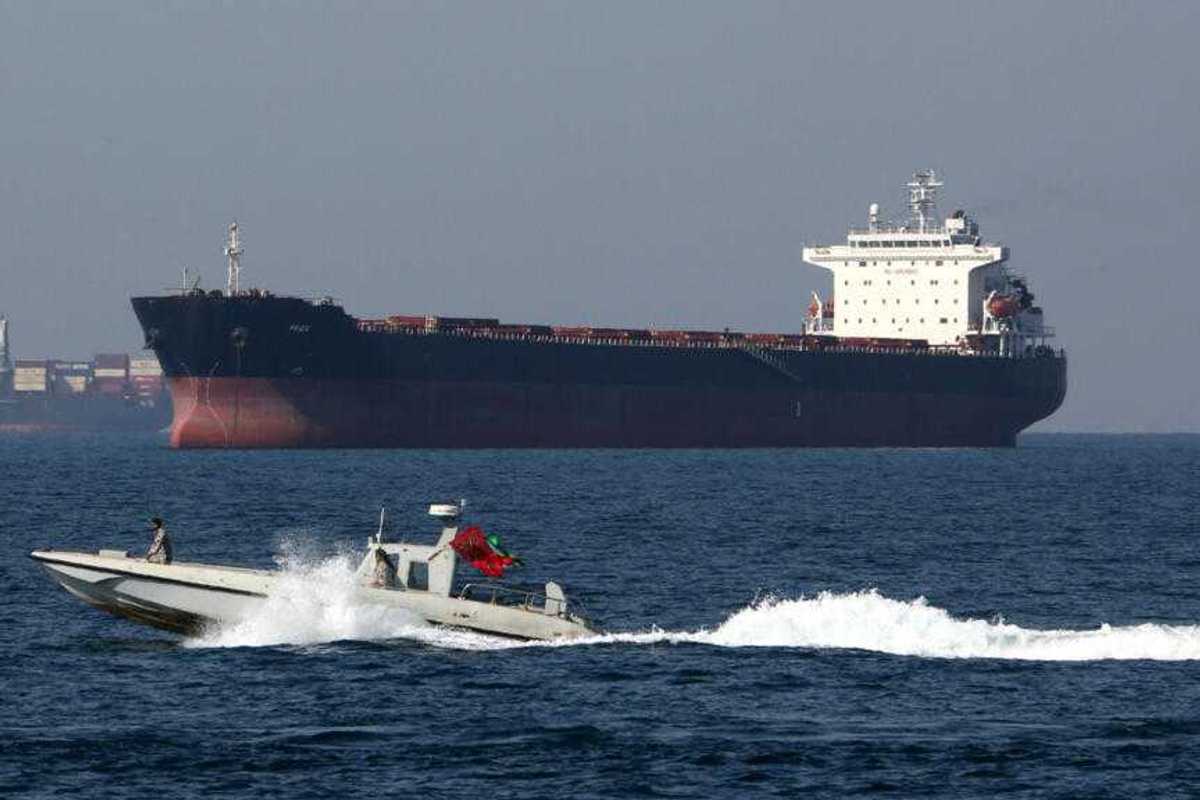
FILE: On Sunday, the US struck an Iranian island in the Strait of Hormuz.
The United Kingdom Maritime Trade Operations (UKMTO) agency reported that a commercial vessel sailing off the northern coast of Qatar was struck by multiple projectiles on Wednesday evening, resulting in crew casualties and triggering an immediate maritime security response.
What occurred during the maritime attack off the Qatari coast?
According to official advisories issued by UKMTO, the incident occurred at approximately 19:00 GMT roughly 51 nautical miles (94 kilometers) north of Madinat ash Shamal, a coastal town situated about 100 kilometers north of Qatar's capital, Doha.
The vessel transmitted an emergency distress alert reporting direct hits from several incoming projectiles, which caused structural damage onboard and resulted in an undisclosed number of crew casualties. While maritime security monitors confirmed that regional naval authorities and emergency response teams engaged, the identity, flag state, and origin of the vessel have not yet been publicly disclosed.
Maritime risk analysts noted that the strike occurred approximately 500 kilometers (300 miles) west of the Strait of Hormuz, representing a clear geographical expansion of shipping threats more seriously into the Persian Gulf. Previous attacks over recent weeks had primarily concentrated on vessels attempting transit through the narrow choke point near the Omani coastline, whereas this incident demonstrates heightened operational risk for energy carriers operating in open Gulf waters.
How does the attack impact wider Persian Gulf energy transit and military operations?
The attack marks a severe escalation in the ongoing regional conflict that flared following US and Israeli military operations in late February 2026. Iranian forces have maintained a naval blockade across the Strait of Hormuz, targeting commercial vessels attempting unauthorized transit.
In response, the United States Navy and allied coalition warships have enforced a counter-blockade around Iranian oil terminals while establishing guarded convoy corridors along the Omani coast to protect vital crude and liquefied natural gas (LNG) shipments.
The strike off Qatar arrives amid deadlocked diplomatic negotiations and surging global energy market volatility, as nearly a fifth of global crude oil and natural gas supplies normally route through the Persian Gulf.
Security experts at the Joint Maritime Information Center have urged all merchant shipping navigating the Arabian Gulf to maintain maximum vigilance, deploy passive defensive measures, and coordinate transit schedules closely with regional maritime security authorities.
According to reporting by Al Jazeera, Al Arabiya, and Argus Media, regional coast guards and naval patrols have intensified reconnaissance flights across northern Qatari waters as emergency responders assess the damaged vessel.




Comments
See what people are discussing