Pakistan's cotton shortfall is costing the economy an estimated USD 2 billion to USD 3 billion annually through higher imports and lost export earnings, according to a report released Wednesday by the Overseas Investors Chamber of Commerce and Industry (OICCI), which said regulatory delays and inconsistent policymaking continue to undermine the country's agricultural sector.
The report, Seeds of Growth, is based on input from leading OICCI member companies operating in the agriculture sector. It says regulatory delays and inconsistent policies, rather than a lack of technology or investment, are the main reasons Pakistan's agricultural performance continues to lag behind regional peers, despite the sector contributing about 23% of gross domestic product and employing 37% of the workforce.
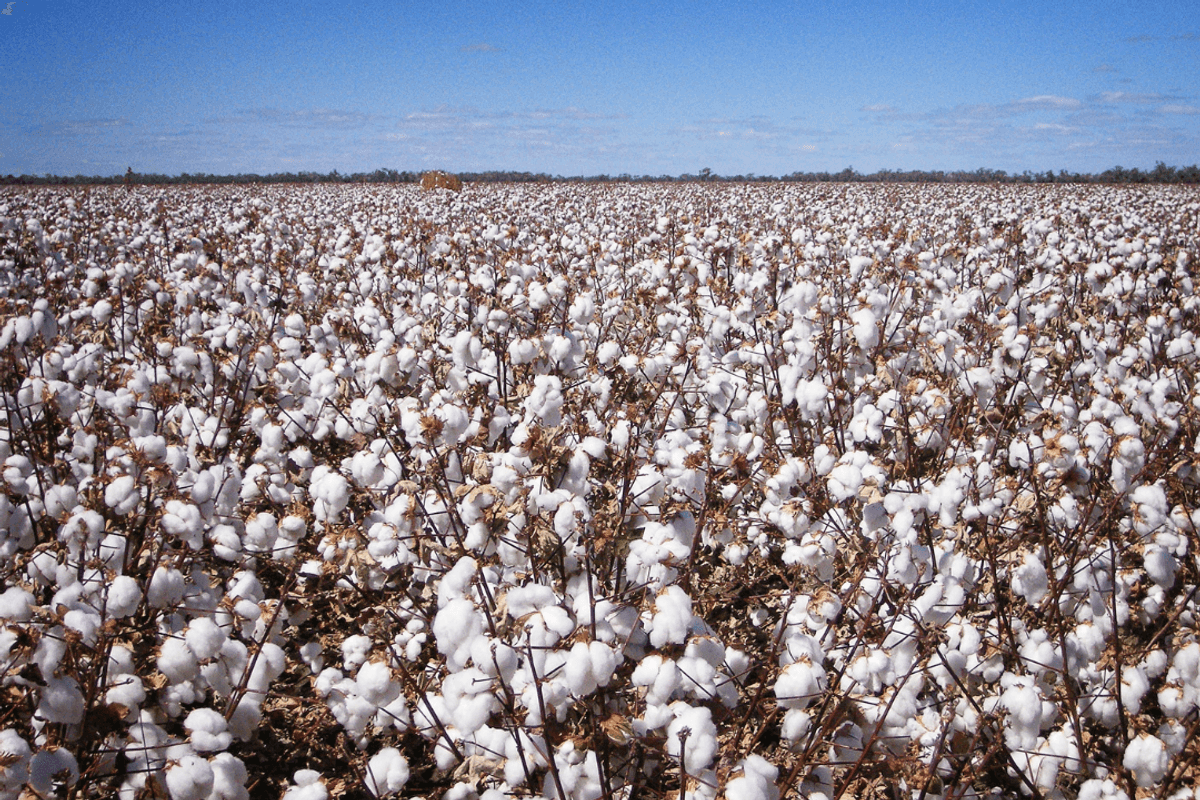
Cotton output has fallen from about 14 million bales at its peak to an estimated 6.85 million bales in 2025-26, well below the government's target of 10 million bales, according to the report. It attributed the decline to climate shocks, pest infestations, poor seed quality and a blanket ban on certain pesticide ingredients imposed without a science-based transition plan. With the textile sector accounting for about 60% of Pakistan's export earnings and relying heavily on domestic cotton, the report said raising production to 8 million to 9 million bales would help reduce pressure on foreign exchange reserves.
The report said maize faces similar challenges. While hybrid seed has tripled per-acre yields over the past three decades, the National Biotechnology Policy approved by the federal Cabinet last month has yet to be implemented. The delay is slowing the introduction of biotech corn hybrids that could unlock a multibillion-USD maize grain and silage export opportunity, it said.
OICCI Secretary General M. Abdul Aleem welcomed the Cabinet's approval of the biotechnology policy but said implementation remains the real challenge.
"The Cabinet's decision on biotech maize is progress, and we recognize it," he said. "However, until the policy is notified and rolled out, the yield gains, the export potential and the investor confidence it is meant to unlock remain on paper. That is the pattern across this report more broadly. The direction of policy is often right; it is the pace of execution that is costing this sector billions in financial terms."
The report also highlighted weaknesses across potato, dairy and tobacco production. Less than 5% of potato production uses certified processing-grade seed, while average yields of 20 to 23 metric tons per hectare remain below the 30 to 35 metric tons achieved in other countries.
In the dairy sector, only about 10% of milk is processed, while roughly 20% of production is lost because of inadequate cold-chain infrastructure, despite Pakistan ranking among the world's five largest milk producers. Tobacco production costs have more than doubled over the past three years, the report said, while an undocumented segment of the industry concentrated in Khyber Pakhtunkhwa and Azad Jammu and Kashmir continues to operate outside the formal tax system.
On fertilizer use, the report said farmers continue to rely heavily on nitrogen-based urea, while potash use needed for balanced soil nutrition remained low at 7,000 metric tons in March despite rising nearly 40% from a year earlier.
The report linked these challenges to Pakistan's ability to attract and retain foreign investment. It said OICCI member companies have introduced international best practices, including advanced seed technology, crop protection products and precision farming systems that are not widely available in Pakistan, but warned that future investment will depend on a more predictable regulatory environment.
Among its recommendations, the report called for time-bound approval processes for seed varieties and pesticide registrations, a national strategy to reduce post-harvest losses, a dedicated enforcement unit to curb seed counterfeiting and expanded access to credit for smallholder farmers, who account for nearly 90% of landholders and cultivate fewer than 12 acres.








Comments
See what people are discussing