


News Desk
The News Desk provides timely and factual coverage of national and international events, with an emphasis on accuracy and clarity.
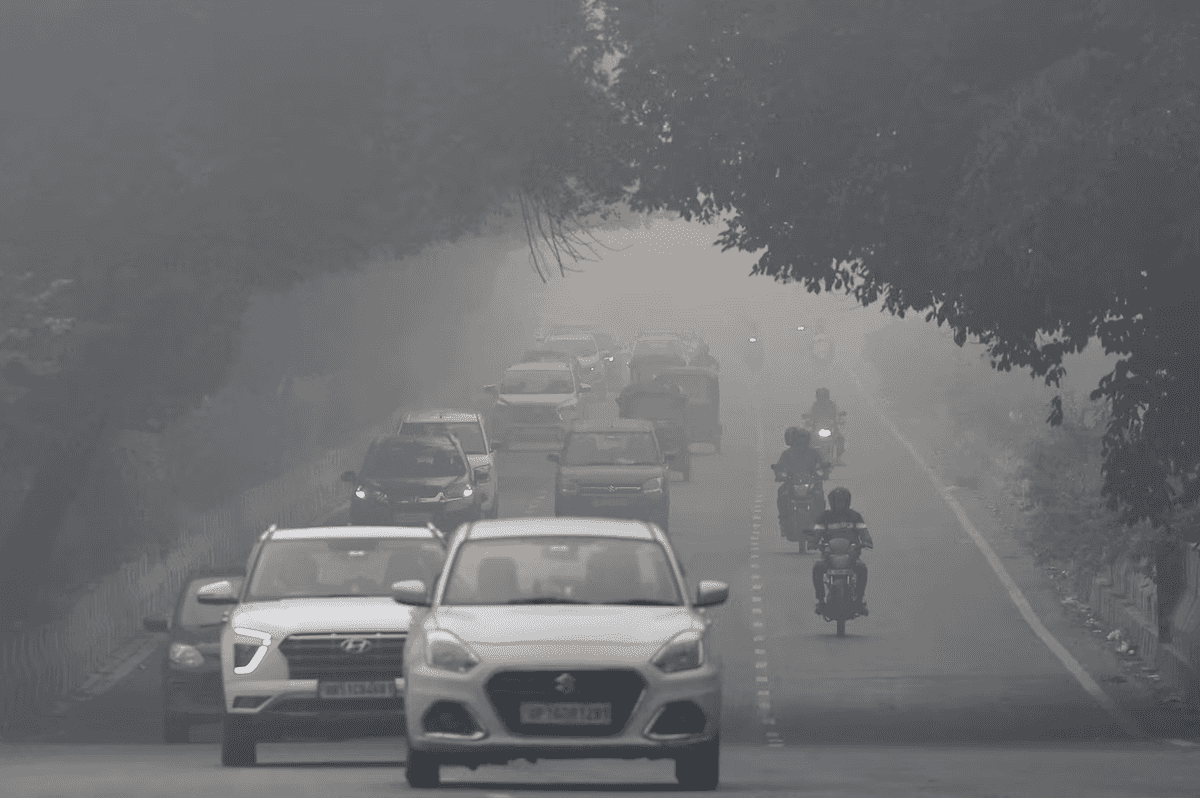
India began annual air pollution controls in New Delhi on Thursday, ahead of winter, when cooler air traps pollutants and air quality deteriorates.
The megacity of 30 million people is regularly ranked among the world’s most polluted capitals.
What air pollution controls has Delhi announced?
The Delhi government on Wednesday announced a ban on open rubbish burning and ordered food stalls to stop using coal or firewood. Further restrictions take effect on November 1, including doubled parking fees and work-from-home arrangements for government office staff to reduce traffic emissions.
Tighter construction rules will also begin on November 1. A complete ban on construction and demolition will follow from December 10 to January 20.
Why does Delhi’s air quality worsen in winter?
Cooler air in winter traps pollutants close to the ground. Major sources include coal-fired power plants, traffic, construction and farm stubble burning in neighboring areas.
In previous years, such measures have failed to curb pollution, which peaks from November to January. Levels of cancer-causing PM 2.5 microparticles often hit more than 300 micrograms per cubic meter in that period, 20 times the World Health Organization’s recommended daily maximum.
How bad is Delhi’s air pollution now?
Monitors recorded 233 micrograms per cubic meter early Thursday, about 15 times the limit. The government’s Commission for Air Quality Management has predicted that air quality will remain “poor” in the coming days. Last year, pollution levels peaked at 846 micrograms per cubic meter, 56 times the WHO limit.
What are the health risks of air pollution in India?
A study in The Lancet Planetary Health in 2024 estimated that 3.8 million deaths in India between 2009 and 2019 were linked to pollution that exceeded India’s own air quality guidelines.
The UN children’s agency warns that polluted air puts children at heightened risk of acute respiratory infections.





Comments
See what people are discussing