

FBR chief urges taxing households with air conditioners
Calls broader tax base key to stabilizing Pakistan’s economy

Business Desk
The Business Desk tracks economic trends, market movements, and business developments, offering analysis of both local and global financial news.
Chairman of Pakistan's tax collection authority — the Federal Board of Revenue (FBR) — Rashid Langrial on Sunday called for bringing households using air conditioners into the tax net, saying broadening the tax base is critical for stabilizing Pakistan’s economy.
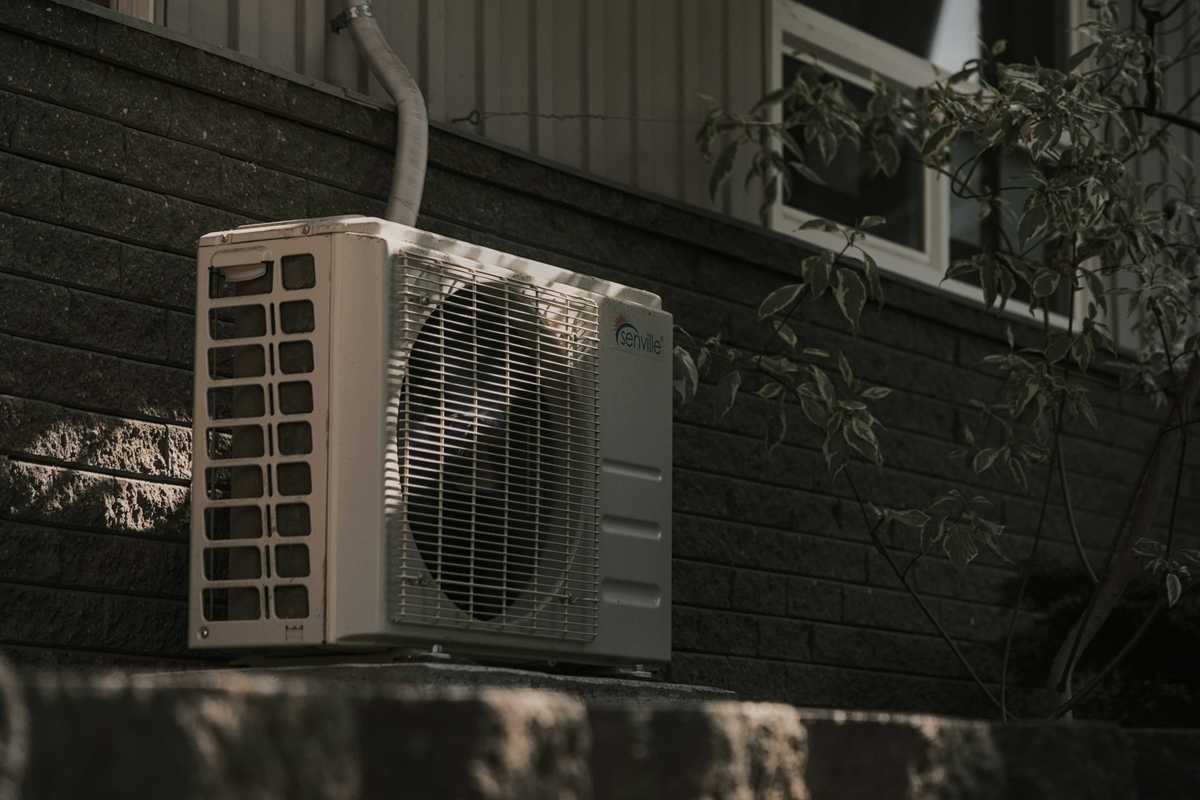
Speaking at a panel discussion during Afkaar-e-Taza Thinkfest 2026 at Alhamra, Langrial said Pakistan has about 42 million households, with nearly 7% having air conditioners installed. He said such households indicate a certain income level and should be part of the tax system.
Former finance minister Miftah Ismail and Interloop Chairman Mosaddiq Zulqarnain were also present at the session.
Langrial said economic stability is impossible without expanding the tax net, noting that while some citizens pay taxes honestly, a large segment continues to evade compliance. He said 4.9 million people filed tax returns in FY25, rising to 5.9 million filers in the current fiscal year. However, he termed it alarming that 320,000 individuals declared themselves non-taxable, highlighting serious compliance gaps.
The FBR chairman said Pakistan’s tax-to-GDP ratio remains lower than regional peers due to a narrow tax base and weak enforcement, placing a disproportionate burden on a limited segment of taxpayers.
He said the salaried class bears the heaviest tax load because its income is fully documented. Tax rates on salaries reach up to 35% in certain slabs, including for individuals earning around PKR 4.1 million annually. For an annual income of PKR 10 million, the average tax rate is about 27%, he said, adding that low compliance — not high rates — remains the core issue.
Langrial said expanding the tax base would allow the government to reduce tax rates. He revealed that out of 176,000 doctors in Pakistan, only 55,000 filed tax returns, while 39,000 declared annual incomes below PKR 2 million, resulting in negligible tax payments.
Explaining fiscal constraints, Langrial said that under the National Finance Commission (NFC) Award, only PKR 38 out of every PKR 100 collected remains with the federal government, while PKR 58 is transferred to provinces, limiting federal fiscal space.
Relief demanded for salaried class
During the discussion, Mosaddiq Zulqarnain said the salaried class pays taxes consistently, while corporate compliance remains uneven. He called for 25% tax relief for salaried individuals. In response, Langrial described Zulqarnain as a “gold-plated taxpayer” who pays his taxes honestly.
Langrial said there would be no separate tax regime for exporters, adding that the FBR is moving toward a normal tax regime. He warned that companies submitting incorrect returns would face audits.
He said the FBR is undergoing institutional reforms to improve revenue collection and accountability. With 17,000 employees, the organization has strengthened internal oversight, leading to billions of rupees in additional revenue through improved monitoring, including in the sugar sector.
Langrial also said CSS officers have been arrested on corruption charges within the FBR, underscoring the institution’s commitment to accountability.
He concluded by reiterating that reforms would continue to expand the tax net, improve compliance, and ensure fairness so that the tax burden is shared equally rather than falling primarily on the salaried class.




Comments
See what people are discussing