

France probes misuse of smart glasses in sexual harassment cases
France opens a criminal probe into smart glasses misuse in sexual harassment cases, as CNIL fields workplace complaints and global scrutiny grows

News Desk
The News Desk provides timely and factual coverage of national and international events, with an emphasis on accuracy and clarity.
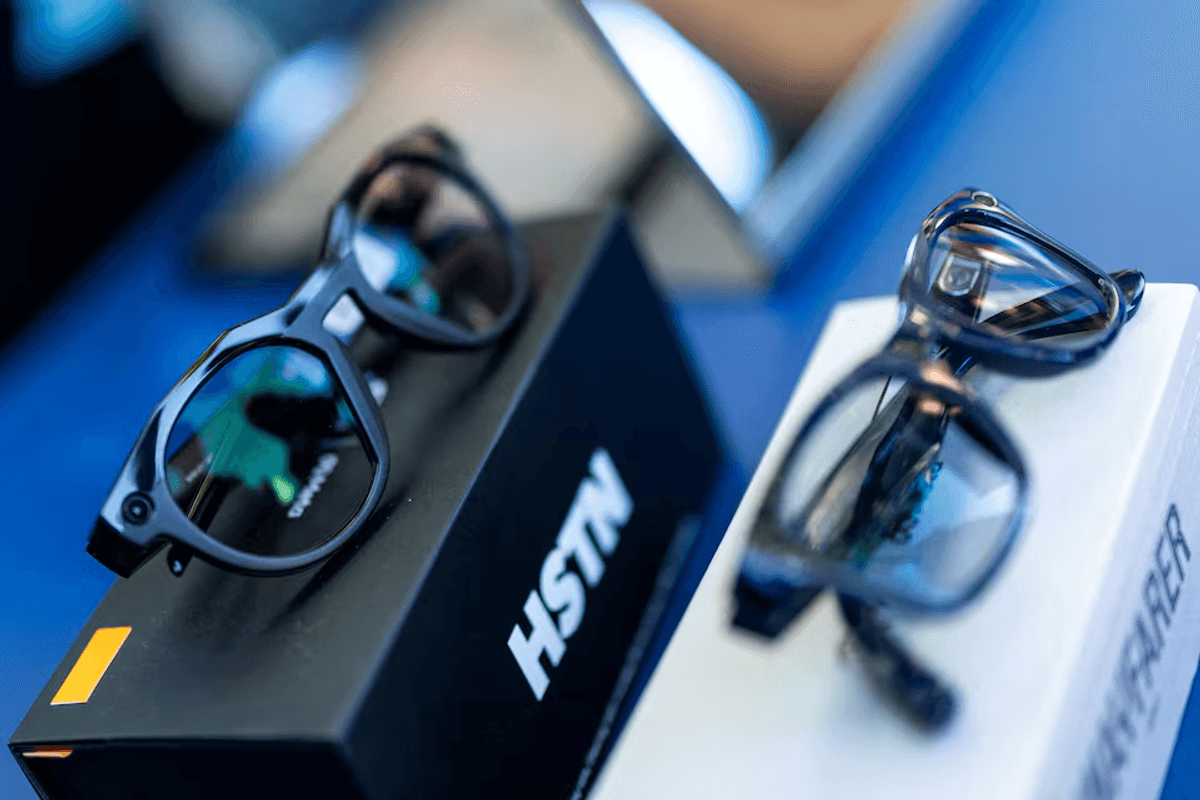
Women are the primary target of abuse carried out using smart glasses, rights groups say.
Reuters
Paris prosecutors have opened a criminal probe into suspected sexual harassment involving smart glasses, while French data protection authorities have received complaints from businesses, as countries around the world grapple with the devices' social impact.
What is the Paris smart glasses investigation about?
The Paris prosecutor's office told Reuters it opened at least one criminal probe after sexual harassment complaints linked to a social media trend: people filming women on the street without consent using smart glasses, then posting the videos online. Prosecutors did not name the brand of device used and declined to share further details.
How much of the smart glasses market does Meta control?
There are several smart glasses available, but U.S. tech giant Meta's glasses, made in collaboration with EssilorLuxottica, are the market leader, with a roughly 76% share globally.
The devices, which have a small embedded camera allowing the wearer to record discreetly, sold 7 million units last year. EssilorLuxottica's latest sales figures point to "exponential growth" in 2026.
Why are smart glasses facing scrutiny around the world?
The devices' success has led to growing international scrutiny from prosecutors, regulators, rights groups and companies over issues including sexual harassment, corporate wrongdoing and illicit surveillance.
Some UK cinemas have banned smart glasses, and a German consumer advocacy group has filed a criminal complaint against Meta and other companies selling the devices in Germany, citing privacy laws. Australia said on Thursday it is considering barring camera-equipped smart glasses in government workplaces over privacy and security concerns, in what it said could be the first ban of its kind.
What has Meta said about the privacy concerns?
A Meta spokesperson said the company had "built privacy into our AI glasses from the ground up," adding that "we will keep strengthening our protections as our glasses become even more capable." EssilorLuxottica declined to comment. The Paris prosecutor's cybercrime unit tested the devices two weeks ago to gain a better understanding of the potential crimes smart glasses could be used to commit.
How many smart glasses complaints has France's CNIL received?
CNIL, France's data protection authority, said it had received under 10 complaints about smart glasses being used in the workplace, without disclosing which brands were involved. It said it was being increasingly contacted by businesses asking whether they could ban smart glasses at work. Smart glasses pose "real challenges" around informing people they are being filmed and getting consent when needed, said Nacera Bekhat, CNIL's head of economic affairs.
Is it legal to record someone with smart glasses without consent in France?
AI-enabled wearable devices are regulated by the European Union's AI Act and the General Data Protection Regulation (GDPR), which set rules on how people's personal data can be used. French law provides privacy protections, including penalties of up to a year in prison or a €45,000 ($51,700) fine, for recording someone's image in a private place without consent, though enforcement can be difficult once content spreads online, CNIL and other legal sources said.
A small light on the devices' frames indicates that filming is taking place, but rights groups say that shifts the responsibility of avoiding being filmed onto the individual. "Seeing a light come on doesn't mean that you consent to being filmed, nor to have your image distributed to thousands of people afterwards," said Ines Legendre, legal expert at internet safety organization e-Enfance.
What do rights groups say about smart glasses and gender-based violence?
Women are the primary target of abuse carried out using smart glasses, rights groups say. Ines Girard, who runs projects on technology-facilitated gender-based violence at feminist organization Hubertine Auclert, said the tech industry should do more to prevent abuse. "We can't respond to a surveillance technology by telling the people being surveilled that they should be more vigilant," she said. "This places an additional burden on these individuals, particularly women, gender minorities and people already exposed to violence, online abuse and scrutiny in public spaces."





Comments
See what people are discussing