


News Desk
The News Desk provides timely and factual coverage of national and international events, with an emphasis on accuracy and clarity.
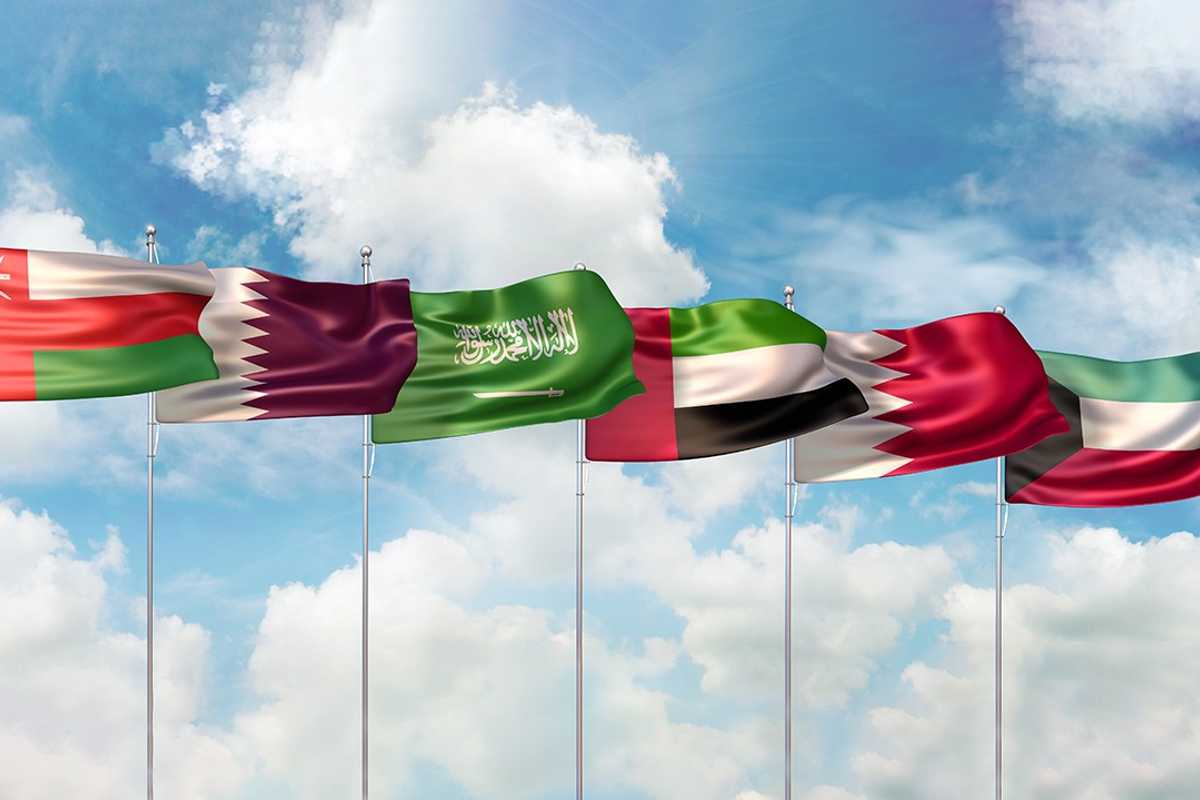
Gulf Cooperation Council citizens will soon move more easily between member states under new measures unveiled this week in Riyadh. As reported by Khaleej Times, Jasem Mohamed Albudaiwi, GCC Secretary-General, outlined the steps at the Security and History Dialogue 2026 on September 6. The changes center on driving licence recognition, dedicated border lanes and linked security systems across the bloc.
What does GCC driving licence recognition mean?
GCC driving licence recognition allows a licence issued in one member state to be accepted in another. It applies to citizens who relocate and take up residency elsewhere in the bloc, not to short trips, since a GCC licence is already valid for brief cross-border travel. Relocating citizens can swap their existing licence for a local one instead of restarting the process.
How do citizens swap their driving licence between GCC countries?
Most citizens who move to a new GCC country will not need to sit a new driving test. They can exchange their existing licence for one issued by their new home country. Exact requirements, fees and processing times vary from country to country.
What are the licence requirements in Bahrain and Oman?
In Bahrain, the Ministry of Interior's General Directorate of Traffic processes a licence swap within one working day. The fee is BD25, around Dh244, and covers a mandatory eye test plus a first five-year licence. In Oman, the Royal Oman Police requires a vision test, a completed application form, copies of the residence card and original licence, and a blood group certificate, and applicants must have held their original licence for at least one year. The UAE and Kuwait offer similar direct exchange services through their own interior ministries and traffic authorities.
When did GCC licence coordination start?
Coordination on driving licences across the Gulf dates back to 1997, when GCC interior ministers meeting in Doha adopted a joint traffic strategy. That agreement set standard minimum ages across the bloc: 18 for a private licence and 21 for a public or commercial one. Those baseline rules still underpin the licence recognition system today.
What are the new dedicated lanes at GCC borders?
GCC citizens already cross internal borders using national ID cards, without needing a passport or visa. The new dedicated lanes build on that existing open framework to speed up processing further. Several major crossings have introduced faster lanes and updated systems in recent months.
How does the King Fahd Causeway one-stop system work?
The King Fahd Causeway between Saudi Arabia and Bahrain has run a one-stop system since 2018. It allows GCC citizens to complete passport and customs procedures at a single checkpoint instead of two separate ones. Other crossings, including Al Nuwaiseeb between Saudi Arabia and Kuwait and Abu Samra between Saudi Arabia and Qatar, have added similar faster lanes.
How are GCC security systems linked?
Albudaiwi said GCC states have electronically linked their security systems, including a shared database of traffic violations. Authorities across the bloc can now exchange information on individuals with a record in one member state, making that record visible to authorities in the other five. The GCC is also developing further digital projects to expand shared security services across the region.





Comments
See what people are discussing