

Global aid shortfall could reach $179 billion by 2028, SIPRI warns
The global aid shortfall could hit $179 billion by 2028, SIPRI warns, as record military spending of $2.9 trillion coincides with deep aid cuts.
Haris Zamir
Business Editor
Experience of almost 33 years where started the journey of financial journalism from Business Recorder in 1992. From 2006 onwards attached with Television Media worked at Sun Tv, Dawn Tv, Geo Tv and Dunya Tv. During the period also worked as a stringer for Bloomberg for seven years and Dow Jones for five years. Also wrote articles for several highly acclaimed periodicals like the Newsline, Pakistan Gulf Economist and Money Matters (The News publications)
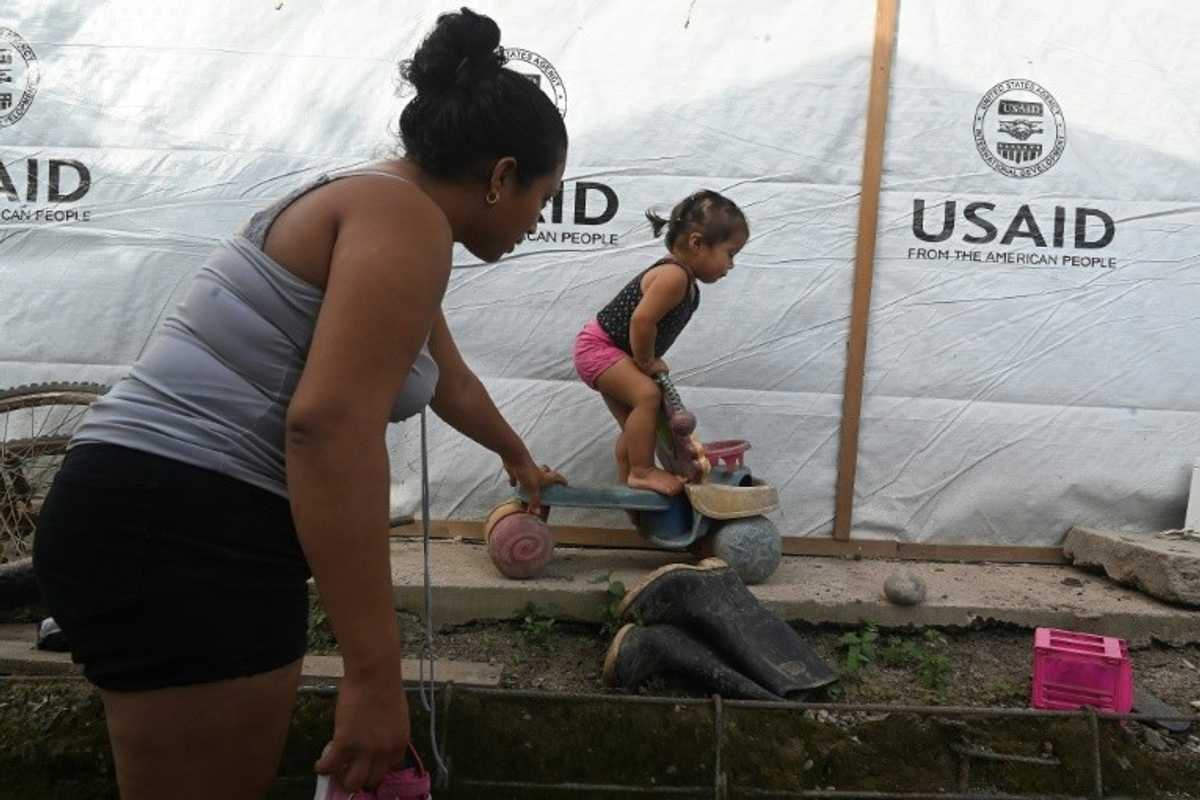
The Stockholm International Peace Research Institute (SIPRI) warned Tuesday that the global aid shortfall could reach $179 billion by 2028, as major donors cut development and humanitarian aid while military spending reached a record $2.9 trillion last year. The widening gap could threaten human security and political stability, SIPRI said in a new report.
What is the global aid shortfall SIPRI is warning about?
The shortfall is the gap between projected official development assistance (ODA) and estimated needs. SIPRI says ODA needs could reach as much as $326 billion in 2028, depending on conflicts and disasters. The resulting $179 billion gap would exceed total expected ODA commitments for that year.
Why is aid falling while military spending rises?
ODA from major donor countries has declined since 2024, even as global military spending reached a record $2.9 trillion last year, equivalent to 2.5% of global gross domestic product. Data from the Organization for Economic Cooperation and Development show that core ODA funding began to stagnate in 2021. That trend was temporarily obscured by increased aid to Ukraine after Russia's full-scale invasion and by donor spending on hosting refugees.
The largest reductions in core development assistance have affected economic infrastructure and health, the report said. Xiao Liang, a researcher with SIPRI's Military Expenditure and Arms Production Program, linked the cuts to rising military budgets.
"Wealthy states in Europe and beyond have sharply increased their military spending in response to rising military threats. But this has coincided with deep cuts in other budget lines, including development and humanitarian aid. This can create widespread insecurity for people and states that rely on aid," Liang said.
He added that military spending is likely to keep growing. "All the signs are that military spending will continue to grow for several years to come, putting further pressure on ODA and other budget priorities," Liang said.
How does the aid funding gap compare with military spending?
SIPRI researchers said the projected aid shortfall could be covered with only a small fraction of the additional resources being directed toward military spending. Nan Tian, director of SIPRI's Military Expenditure and Arms Production Program, said the findings point to a sustained withdrawal of aid at a time of growing need.
"Our findings reveal that we are in the middle of a sustained withdrawal of vital humanitarian and development assistance at a time when needs for it are growing," Tian said.
"However, it is important to stress that this funding gap is just a fraction of the extra resources being directed to military spending. Meeting future ODA needs is affordable," he said.
How are Germany and the UK cutting development aid?
The report examines recent aid and military spending policies in Germany and the United Kingdom. Its case studies show that both governments have justified cuts to development assistance as necessary to finance higher military spending. The aid reductions, however, make only a marginal contribution to planned increases in defense budgets.
Liang said countries had understandable reasons to invest in security amid weakening international cooperation, rising geopolitical tensions and increased militarization. However, he cautioned that military capabilities alone could not guarantee security.
"Development aid can address long-term drivers of insecurity and should therefore be seen as complementing military spending, not competing with it," he said.





Comments
See what people are discussing