

Goldman Sachs sees gold prices at $4,900 by 2026 end
Calls precious metal “strategic asset” in a world marked by high debt, uneven growth and persistent geopolitical uncertainty

Business Desk
The Business Desk tracks economic trends, market movements, and business developments, offering analysis of both local and global financial news.
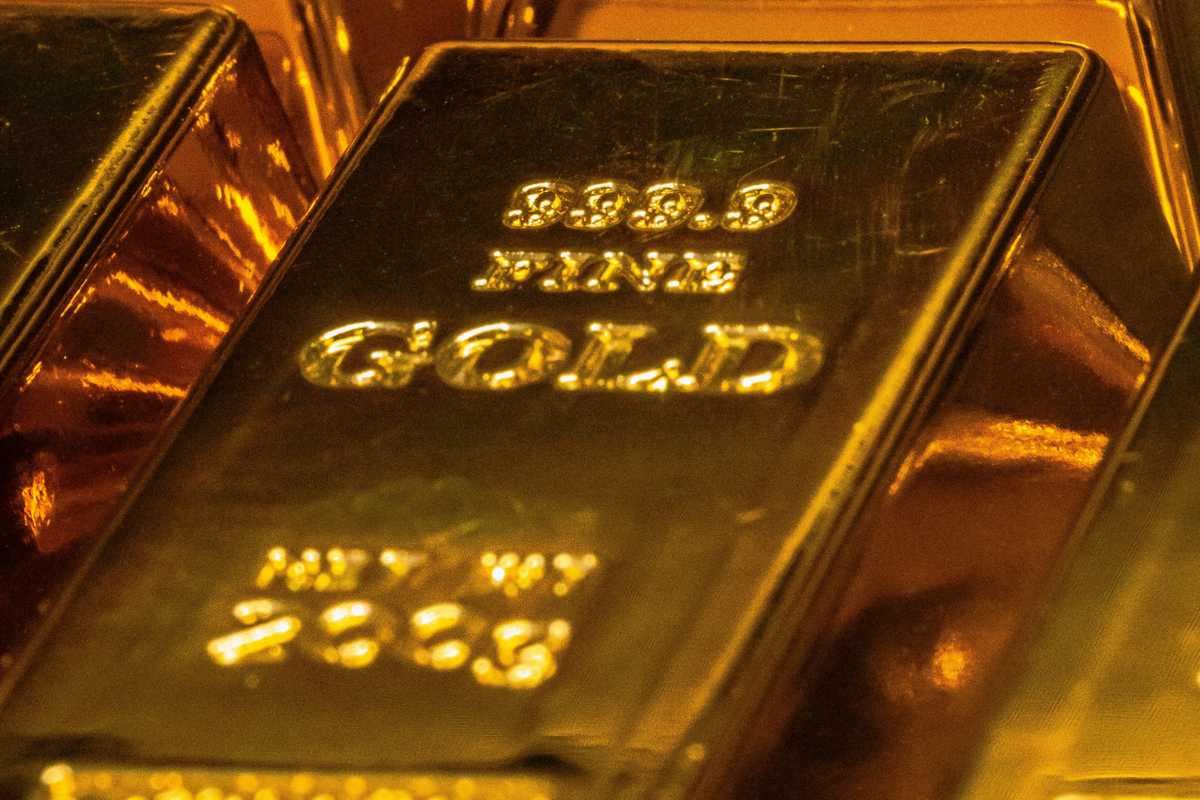
Gold prices were volatile throughout 2025, reflecting shifting expectations around interest rates, economic growth and global risk sentiment
Goldman Sachs has forecast gold prices could reach around $4,900 per ounce by the end of 2026, as long-term macroeconomic and geopolitical factors continue to support demand for the precious metal.
In its latest assessment, the investment bank said gold’s strength is being driven less by short-term trading and more by structural shifts in how governments and investors manage risk in an increasingly uncertain global environment.
Gold prices were volatile throughout 2025, reflecting shifting expectations around interest rates, economic growth and global risk sentiment.
The metal climbed to a record high of around $4,380 per ounce, driven by strong safe-haven demand, central bank buying and periods of US dollar weakness. However, prices also experienced sharp pullbacks, as investors took profits and reassessed the outlook for monetary policy.
More recently, gold prices have settled closer to the $4,050–$4,100 per ounce range, as markets balanced longer-term bullish fundamentals against near-term uncertainty over interest rates and economic data.
Goldman Sachs’ forecast suggests that, despite ongoing volatility, the underlying forces supporting gold remain intact. The bank views gold as a strategic asset in a world marked by high debt, uneven growth and persistent geopolitical uncertainty.
Goldman Sachs has forecast sustained buying by central banks, particularly in China, Russia and other emerging economies. These institutions have been steadily increasing their gold holdings as part of broader reserve diversification strategies, providing consistent support to prices.
Gradual diversification away from the US dollar
Goldman also points to a slow but noticeable shift by some countries toward reducing their over-reliance on the US dollar in their reserves. This trend has been driven by geopolitical tensions and a desire for greater financial resilience, boosting gold’s appeal as a neutral, widely accepted reserve asset.
Lower real interest rates over the long term
While nominal interest rates remain relatively high, Goldman expects inflation-adjusted, or real, yields to weaken over time. Historically, such an environment has been supportive of gold, as lower real yields reduce the opportunity cost of holding the non-yielding metal.
High global debt and fiscal pressures
Rising government debt levels, particularly in the US and Europe, are another supportive factor. Concerns over long-term fiscal sustainability and currency stability tend to strengthen demand for gold as a store of value, according to the bank.
Ongoing safe-haven demand
Gold continues to benefit from its traditional role as a safe-haven asset amid geopolitical tensions, market volatility, and periodic financial-sector stress. Goldman believes these risks are likely to remain a feature of the global landscape.
Limited supply growth
On the supply side, gold production growth remains constrained by higher costs, regulatory challenges, and limited new discoveries. With demand rising faster than supply, Goldman sees a supportive backdrop for prices over the medium- to long-term.





Comments
See what people are discussing