

Goldman raises 2026 gold target to $5,400 an ounce
Bank cites sticky private investment and strong central-bank demand

Business Desk
The Business Desk tracks economic trends, market movements, and business developments, offering analysis of both local and global financial news.
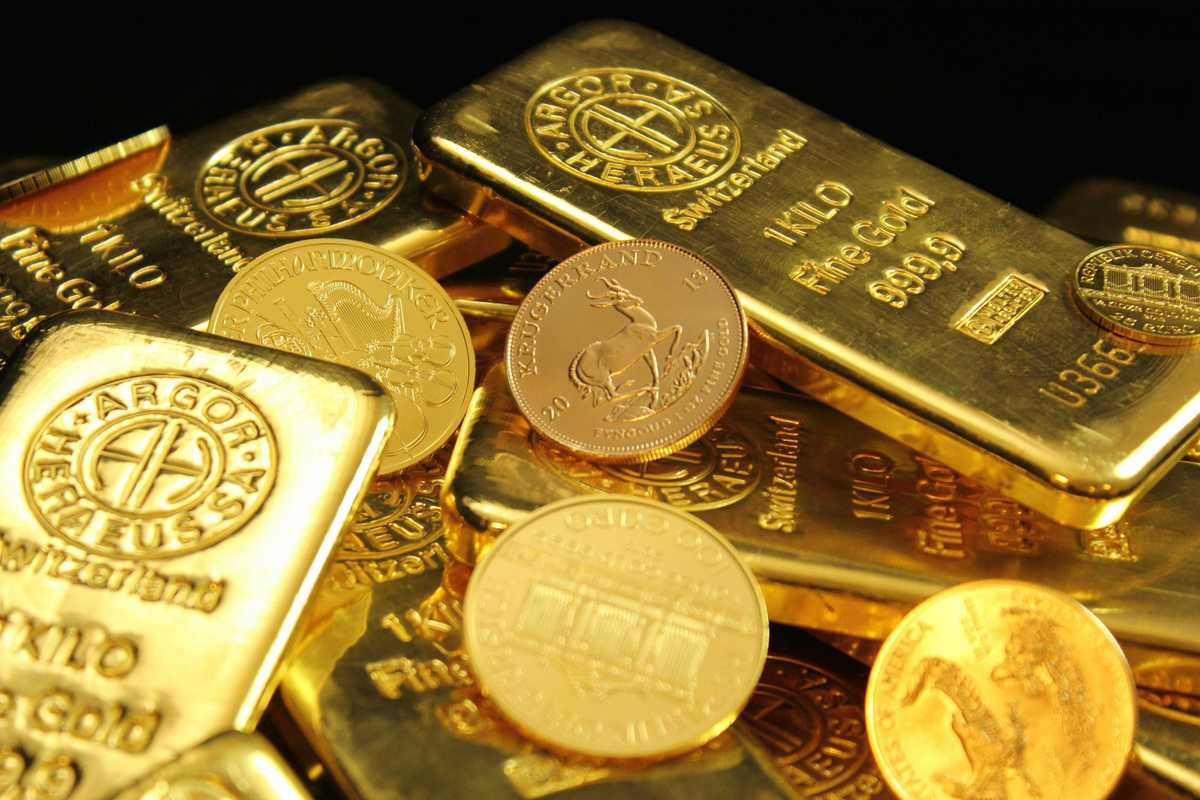
Goldman Sachs has raised its year-end 2026 gold price target by more than 10%, citing growing participation by private-sector investors who are increasingly treating the metal as a hedge against long-term macroeconomic and policy risks.
The investment bank said it now expects gold to reach $5,400 an ounce by December, up from a target of $4,900 set just weeks earlier.
Analysts led by Daan Struyven and Lina Thomas said the upgraded forecast reflects their view that private investors who bought gold to protect against macro policy uncertainty are likely to hold those positions through the end of the year. Unlike earlier hedges tied to specific events, such as the November 2024 U.S. election, gold investments linked to concerns about fiscal sustainability and long-term monetary policy are “stickier”, the analysts wrote.
Emerging-market central banks are also expected to continue structurally diversifying their reserves into gold, Goldman said, with total central-bank purchases projected to average 60 tonnes per month in 2026.
The bank’s outlook also assumes an additional 50 basis points of Federal Reserve rate cuts in 2026.
Goldman noted that Western gold exchange-traded fund holdings have risen by about 500 tonnes since the start of 2025, already exceeding levels implied by U.S. interest-rate cuts alone.
Physical gold purchases boosting demand
Goldman said demand is also being driven by physical bullion purchases from high-net-worth families and increased call-option buying, as investors respond to concerns over long-term fiscal and monetary policy trajectories in major economies.
Risks to the revised forecast are “significantly skewed to the upside”, the analysts said, as private-sector investors may further diversify amid persistent global policy uncertainty. However, a sharp reduction in perceived long-term fiscal or monetary risks could pose a downside threat if it leads investors to unwind policy-related hedges.
Goldman had already flagged the diversification trend in its 2026 Commodities Outlook published in late December, calling gold its top pick across the commodities complex. The bank said prices could exceed its $4,900 base case if private investors joined central banks in reallocating toward the metal.
Commodity indices delivered strong returns in 2025, Goldman said, driven by gains in industrial and precious metals that benefited from Federal Reserve easing, outweighing modest losses in energy.
Outlook
Looking ahead, Goldman’s macro base case includes steady global economic growth and 50 basis points of Fed rate cuts in 2026, conditions it said should again support commodity returns.
The bank identified two major structural drivers for commodities: geopolitical competition between the United States and China, including in artificial intelligence and technology, and two large energy supply waves that began in 2025.
Gold remains Goldman’s most bullish commodity, largely because of central-bank demand. The firm expects central banks to buy an average of 70 tonnes of gold per month in 2026, nearly four times the pre-2022 average.
Goldman said demand has been reshaped by the freezing of Russia’s reserves in 2022, relatively low gold allocations among some emerging-market central banks, including China’s, and surveys showing record levels of central-bank appetite for the metal.




Comments
See what people are discussing