

Health and education costs in Pakistan jump sharply in October
PBS data shows steep rises in medical fees, diagnostics and schooling with rural households facing the strongest monthly increases
Haris Zamir
Business Editor
Experience of almost 33 years where started the journey of financial journalism from Business Recorder in 1992. From 2006 onwards attached with Television Media worked at Sun Tv, Dawn Tv, Geo Tv and Dunya Tv. During the period also worked as a stringer for Bloomberg for seven years and Dow Jones for five years. Also wrote articles for several highly acclaimed periodicals like the Newsline, Pakistan Gulf Economist and Money Matters (The News publications)
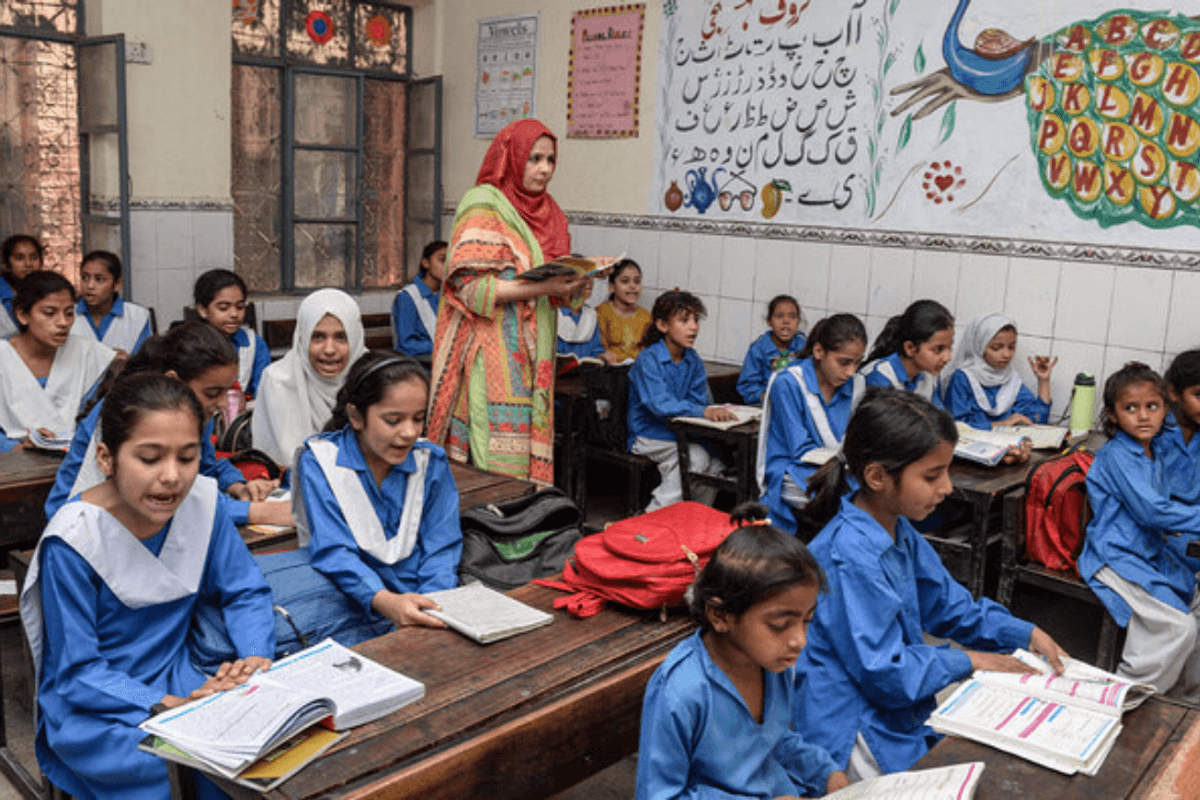
In this photograph taken on May 24, 2024, students attend their class at a school in Lahore, Pakistan
AFP
Pakistan recorded a sharp rise in the cost of health and education services in October as monthly inflation continued to pressure households across both urban and rural areas, according to new figures released by the Pakistan Bureau of Statistics.
Health-related expenses rose steeply nationwide, with urban health services up 6.99% month-on-month and rural health services climbing 9.65%. Prices of drugs and medicines increased 6.94%, while therapeutic appliances and medical equipment saw a 2.19% rise.
Consumers also faced notable jumps in medical service charges. MBBS doctor fees increased 7.37%, dental services rose 8.36%, and medical test charges surged 10.72%, the bureau said.
Urban hospital services posted a 5.21% monthly increase.
Inflation hit rural residents even harder. Drug and medicine prices rose 8.35%, doctor clinic fees surged 16.16%, dental services jumped 17.13%, and rural medical tests increased 11.13% from the previous month. Rural hospital services also rose 6.88%.
Education costs saw some of the largest monthly increases. In urban areas, education services became 8.24% more expensive, while rural education costs spiked 11.22%.
Stationery in rural markets rose 2.27%.
Economists say the latest numbers underscore an intensifying squeeze on essential services, particularly for low-income households. Rising charges for medical consultations, diagnostics, and schooling highlight what analysts describe as “non-discretionary inflation”, a type of price pressure that families cannot avoid.
“These categories represent unavoidable expenses. When health and education inflation accelerates, it has a direct and immediate impact on the cost of living,” said one Karachi-based economist. “Rural inflation is especially concerning because it indicates deeper economic stress away from major cities.”
The Pakistan Bureau of Statistics (PBS) reported on Monday that the headline inflation rate remained stable at around 6.1% in November compared to a year ago. But the other two indicators — the monthly inflation and non-food, non-energy inflation — decelerated, which showed that there was no buildup of price pressure last month.
PBS reported that in urban areas, inflation slightly accelerated to 6.1% on a year-on-year basis, but the pace slowed down to 6.3% in rural areas and towns.
PBS said that, measured by non-food and non-energy items, core inflation slowed down to 6.6% in urban areas compared to 7.5% in the previous month. Likewise, the core inflation in rural areas eased to 8.2% compared to 8.4% in the previous month.
Last month, the World Bank revised its inflation forecast for Pakistan to 7.2% for the current fiscal year, which was slightly above the target.




Comments
See what people are discussing