

Dubai halal trade center signs deal to help Korean firms expand into MENA markets
Dubai's HTMC and South Korea's KITA have signed an MoU to help Korean companies enter halal markets across the UAE and wider MENA region

Dubai Desk
The Dubai Desk reports on major developments across the UAE, covering news, culture, business, and social trends shaping the region.
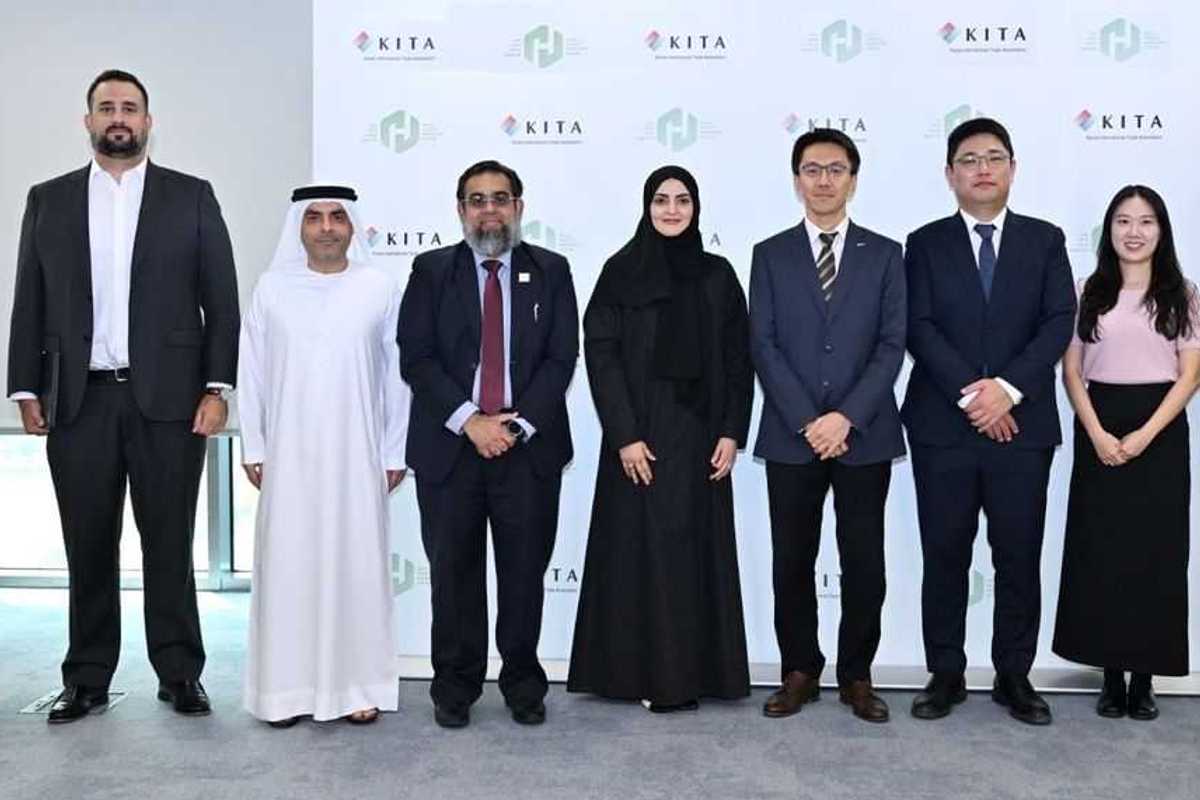
The agreement gives South Korean firms structured access to halal markets across the UAE and the broader Middle East and North Africa region.
Courtesy: WAM
The Halal Trade and Marketing Centre (HTMC), an initiative of the Dubai Integrated Economic Zones Authority (DIEZ), signed a memorandum of understanding with the Korea International Trade Association (KITA) on Monday.
The UAE's state-run WAM news agency announced the partnership, which is designed to help South Korean businesses tap into halal markets across the UAE and the wider MENA region.
What does the HTMC-KITA deal mean for Korean companies?
The agreement gives South Korean firms structured access to halal markets across the UAE and the broader Middle East and North Africa region. Through advisory programs, certification guidance and business matchmaking, Korean companies will be connected with buyers, distributors and regulators across the GCC, lowering barriers to entry into a fast-growing sector.
Why is the global halal market attracting Korean businesses?
The global Islamic economy was valued at $2.60 trillion in 2024 and is projected to reach $3.56 trillion by 2029, according to WAM. Sectors including halal food, pharmaceuticals, modest fashion, tourism and Islamic media are all recording strong growth. Demand is rising in both Muslim and non-Muslim markets, making the space attractive to international exporters.
What programs will HTMC and KITA offer Korean firms?
Under the agreement, HTMC and KITA will develop advisory and mentoring programs to prepare Korean companies for halal market entry. These will cover market requirements, halal certification and accreditation systems, and market entry frameworks. The two organizations will also create business matchmaking programs linking Korean firms with buyers, importers, distributors and retailers across the GCC and MENA.
The partnership will also facilitate engagement with regulatory authorities, accreditation bodies and industry associations. This is aimed at giving Korean businesses faster access to regional halal markets without having to independently navigate complex compliance landscapes.
What did Dubai and KITA officials say about the agreement?
Amna Lootah, director-general of Dubai Airport Freezone, said the deal would combine commercial expertise with specialized halal sector knowledge. She said it would help Korean companies understand market requirements, benefit from advisory programs and build ties with regional stakeholders and potential partners. Lootah added that the partnership supports Dubai's broader goal of cementing its position as a global hub for halal trade.
Philjae Park, president of KITA MENA HQ, called the agreement an important step toward improving Korean companies' access to halal markets through matchmaking, advisory support and institutional engagement. He said the deal aims to create conditions that allow Korean firms to benefit from opportunities in the halal economy and grow their presence in high-growth markets.




Comments
See what people are discussing