

IMF acknowledges Pakistan's 'significant progress' in reducing circular debt
Fund cautions that gas-sector surcharges and weak governance still threaten stability

Haris Zamir
Business Editor
Experience of almost 33 years where started the journey of financial journalism from Business Recorder in 1992. From 2006 onwards attached with Television Media worked at Sun Tv, Dawn Tv, Geo Tv and Dunya Tv. During the period also worked as a stringer for Bloomberg for seven years and Dow Jones for five years. Also wrote articles for several highly acclaimed periodicals like the Newsline, Pakistan Gulf Economist and Money Matters (The News publications)
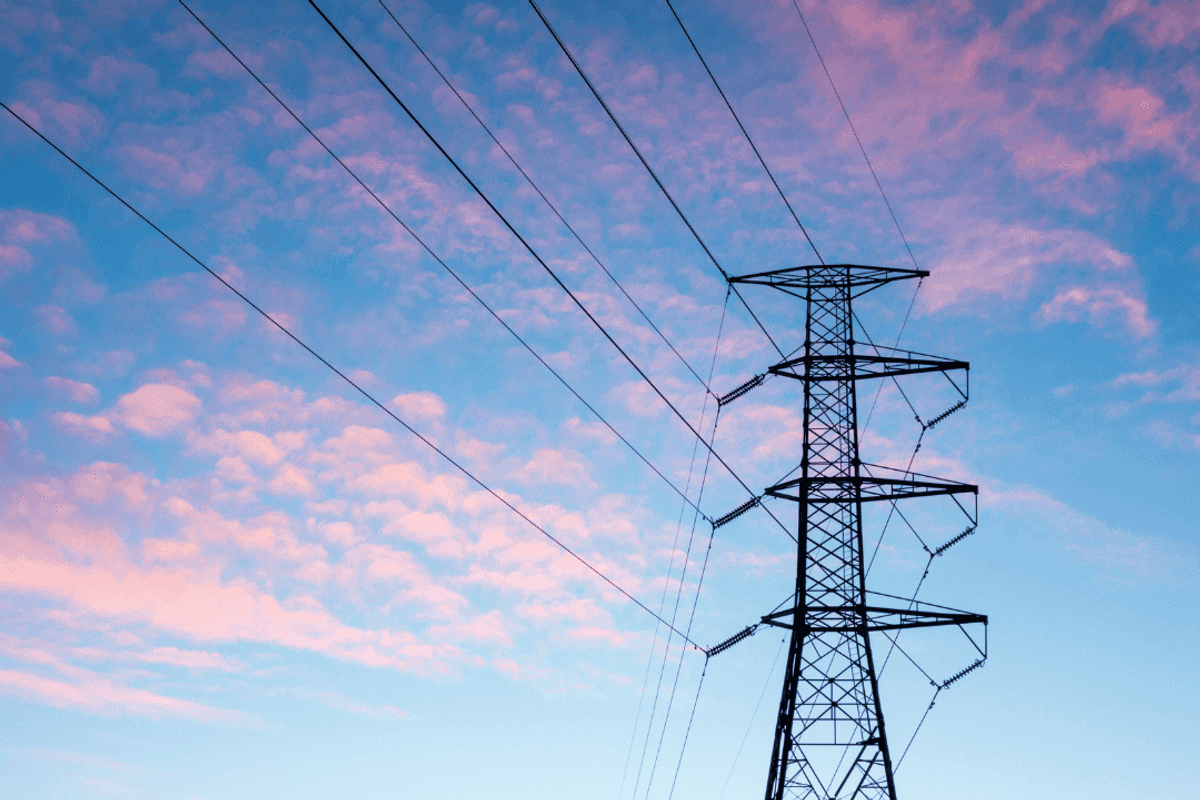
Photo by thejohnnyme via Unsplash
Pakistan has made “significant progress” in reducing circular debt in both the power and gas sectors, supported by improved recoveries, lower technical losses and falling interest rates. However, deeper structural reforms remain critical to restoring long-term sector viability, the International Monetary Fund said in its latest country report.
According to the IMF, power-sector circular debt flow outperformed expectations in March and June, aided by lower global hydrocarbon prices and a boost in industrial electricity demand. These gains helped reduce the power-sector circular debt stock by PKR 779 billion, bringing it down to PKR 1,614 billion or 1.4% of GDP by the end of June.
The Fund said government measures encouraging captive power producers to shift to the national grid appear to have sharply increased industrial consumption, with year-on-year industrial power demand rising 35% between April and August this year. The surge helped offset broader weaknesses in overall electricity demand.
Improved DISCO (power distribution company) management and enforcement practices, along with better consumer payment capacity, also contributed to higher recovery rates. “Falling tariffs in FY25 and continued collection of overdue FY24 bills meant larger collections relative to payments due for FY25 bills,” the report noted.
New circular debt flow targets
The IMF said Islamabad and the Fund agreed to end-March and end-June 2026 circular debt flow indicative targets of PKR 400 billion each, reflecting strong FY25 performance and expectations of further improvements in recoveries and technical losses.
These efforts will be supported by the regular notification of quarterly tariff adjustments and monthly fuel cost adjustments.
Circular debt pressures are expected to ease in FY26 due to strong industrial demand from the captive power shift, the government’s planned incremental pricing for industrial and agricultural users, and lower interest payments following completion of the circular debt stock-management operation. The government plans PKR 400 billion in stock-clearance subsidies to keep net circular debt accumulation at zero next year.
Authorities also intend to shift the annual tariff rebasing from June to January starting in 2026, when electricity demand is lower, to smooth the impact on consumer bills. The IMF said the rebasing will remain timely to ensure cost recovery while maintaining progressive tariffs to protect vulnerable households.
Privatization and long-term reform
The IMF emphasized that structural reforms are essential to restoring the sector’s long-term viability. Islamabad plans to accelerate private-sector participation in DISCOs, completing the bidding process for the first three privatizations in early 2026.
The government has committed to meeting preconditions for privatizing Hyderabad Electric Supply Company (HESCO) and Sukkur Electric Power Company (SEPCO) by December 2026, a new structural benchmark.
Further plans include advancing the privatization of public generation companies, finalizing transmission-network restructuring, and launching a wholesale electricity market.
New challenges in gas sector
While overall gas tariffs remained aligned with costs, helping reduce principal gas circular debt by PKR 86 billion, the IMF said overall gas-sector circular debt still rose by PKR 227 billion, reaching PKR 3,183 billion or 3% percent of GDP mainly due to a spike in late payment surcharges (LPS). The increase was partly driven by a change in methodology, and an audit is under way to reconcile LPS figures across the sector.
The IMF cautioned that maintaining tariff progressivity to protect vulnerable households has become more difficult with the captive-power transition, which shifted more cross-subsidization burdens onto industrial consumers. Long-term LNG contract costs and declining demand, including from power-sector buyers, have also complicated efforts to address the country’s RLNG surplus.
Authorities plan to continue timely semiannual gas tariff adjustments to maintain cost recovery. The IMF noted that Pakistan has developed a more reliable dataset to track gas circular debt and said upcoming steps such as quarterly reporting and a formal circular debt management plan will help improve transparency and planning.
The IMF said Pakistan’s recent gains reflect “strong FY25 performance”, but warned that sustaining progress will require continued tariff discipline, improved governance, and the timely implementation of privatization and market reforms.

Comments
See what people are discussing